Boral siding has become a go-to choice for homeowners looking for the natural look of wood without the high upkeep. As a key element of your home’s exterior, siding plays a critical role in protecting against weather, improving energy efficiency, and enhancing curb appeal.
Known for its durability, dimensional stability, and resistance to moisture and insects, Boral siding is especially well-suited for climates with heavy rain, snow, or temperature swings. If you’re planning to upgrade or replace your siding, it’s important to weigh the benefits, costs, and lifespan of each material, and Boral deserves serious consideration.
Key Takeaways
- Boral siding is made from a poly-ash composite that looks like real wood but resists rot, moisture, and insects.
- It comes in lap, shingle, and vertical styles to suit different home designs.
- Benefits include low maintenance, fire resistance, and eco-friendly materials.
- It typically costs $8–$14 per square foot installed and lasts 20–30+ years.
- Best suited for homes with siding that’s peeling, warping, or requiring frequent repainting.
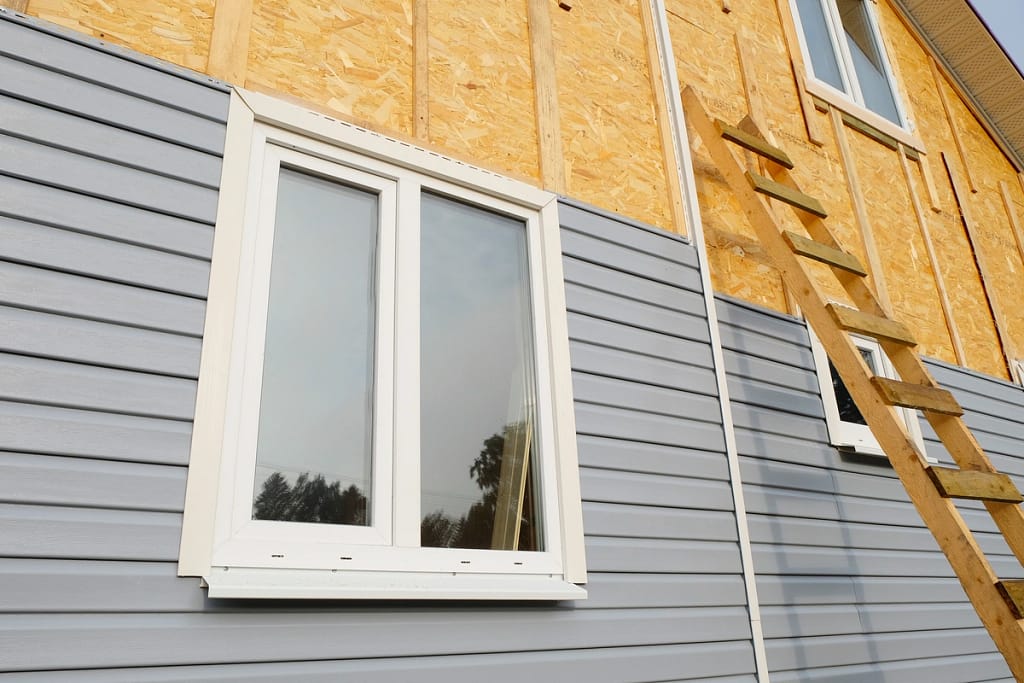
What is Boral Siding?
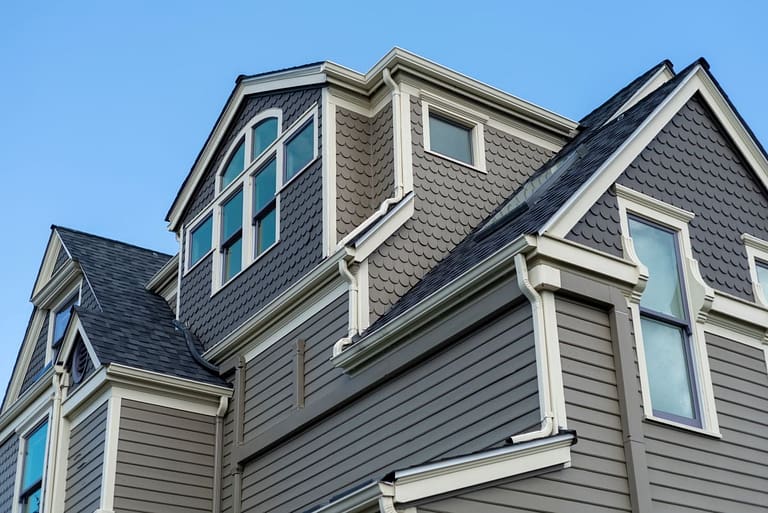
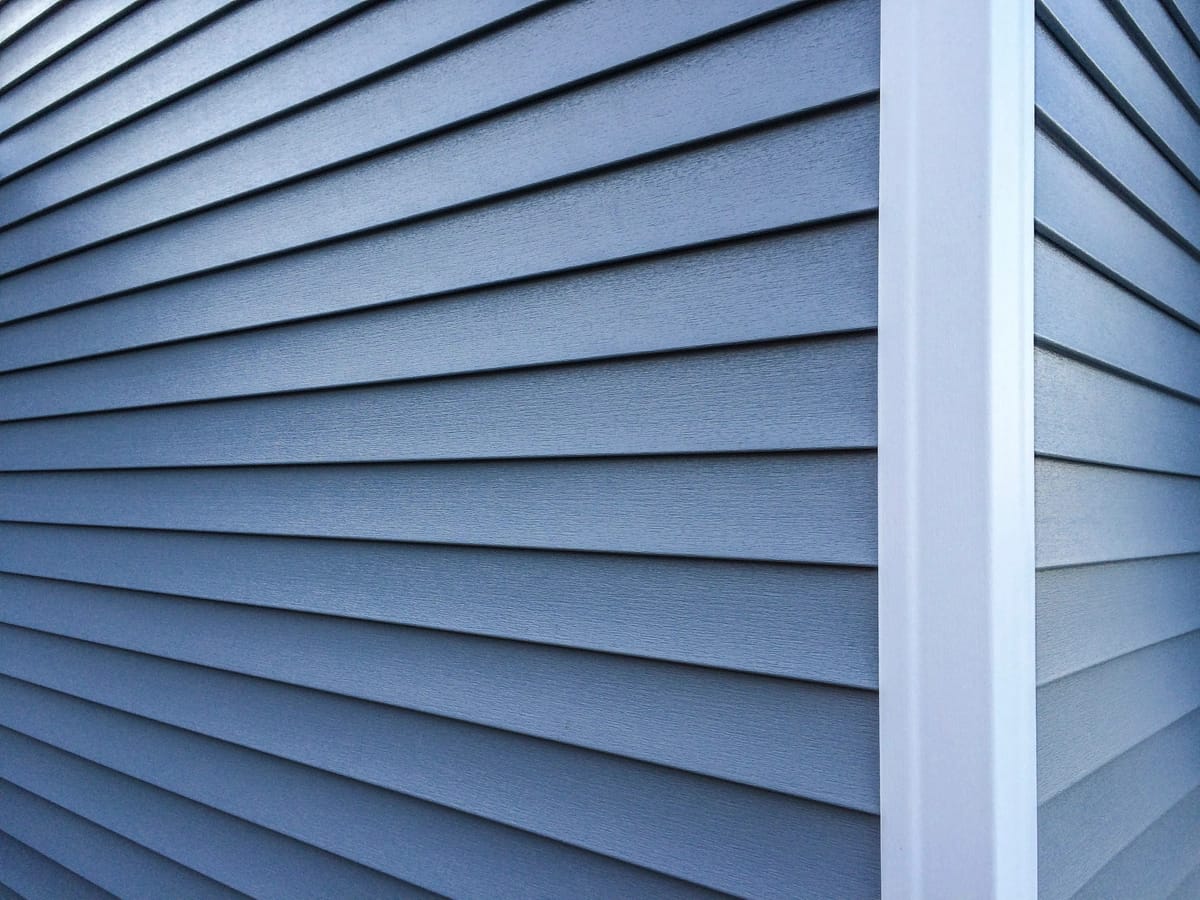
Boral siding is a type of cladding made from a composite material that combines Portland cement, fly ash, and cellulose fibers. This innovative blend creates a siding material that replicates the look and texture of natural wood while offering enhanced durability and resistance to various environmental factors. Boral siding is available in various profiles, including lap siding, vertical siding, and shingle-style siding, providing homeowners with a wide range of design options to choose from.
Benefits of Choosing Boral TruExterior Siding
If you’re considering Boral siding for your home, here are three key advantages that make it a standout option, especially in climates like ours:
1. Built for Moisture-Heavy Climates
Boral’s poly-ash technology resists moisture absorption, meaning no swelling, warping, or cracking. A huge plus in Pennsylvania’s humid summers and icy winters.
2. Authentic Look Without the Drawbacks of Wood
It offers the charm of wood grain siding but without the upkeep. Homeowners love the textured finish, and many can’t tell it’s not real wood from the curb.
3. Green Building Advantage
Made from recycled and renewable materials, Boral TruExterior supports sustainable building practices. Ideal for eco-conscious homeowners and LEED projects.
Boral Siding: Pros vs. Cons
Is Boral TruExterior the right siding for your home? Below is a quick comparison of its biggest advantages and trade-offs to help you decide. This engineered wood-alternative siding is growing in popularity for good reason, but it may not be right for every project.
Pros Cons Engineered for Durability: Resists rot, moisture, termites, and extreme temperature swings—ideal for Northeast climates. Higher Upfront Cost: Typically more expensive than vinyl or fiber cement options. Authentic Wood Appearance: Mimics real wood grain with none of the peeling, warping, or fading. Pro-Only Installation: Requires experienced contractors due to material density and installation specs. Low Maintenance: No need for repainting or sealing; easy to clean with a hose. Limited Retail Availability: Not stocked in every region—check for local suppliers or order lead times. Non-Combustible & Fire-Resistant: Safer in areas prone to wildfires or high heat. Not DIY-Friendly: May deter homeowners looking for a weekend siding project. Sustainable Materials: Made from recycled and renewable content (Boral TruExterior is made with poly-ash).
- More on the Cost: While Boral siding typically costs more upfront than vinyl or fiber cement, it can save money over time with reduced maintenance. Homeowners avoid repainting, caulking, or replacing warped boards, making it a smart long-term investment, especially in harsh climates like Pennsylvania’s.
- Low Maintenance, High Payoff: Unlike traditional wood, Boral doesn’t absorb moisture, which means no swelling, cracking, or paint peeling. For homeowners who don’t want to be on a ladder every few years, this is a big advantage.
- Availability Note: Not every supplier carries Boral TruExterior in stock. If you’re planning a siding project in the next few weeks, check local supply timelines. At O’Donnell Roofing, we can help you source and install it with minimal delay.
How Boral Siding Performs in Pennsylvania’s Climate
When choosing siding for your home, climate compatibility matters especially in Pennsylvania, where the seasons bring everything from heavy snowfall to humid summers and intense sun exposure.
Here’s how Boral siding holds up in the region’s variable conditions:
Freeze-Thaw Resilience
Pennsylvania’s winters often bring freeze-thaw cycles that can wreak havoc on traditional wood and fiber cement siding. Boral siding, made from a proprietary poly-ash composite, is dimensionally stable, meaning it won’t crack, swell, or warp as temperatures fluctuate. This makes it a superior option for maintaining long-term curb appeal and structural integrity in cold climates.
UV Stability and Weatherability
Unlike wood, which can fade or peel over time, Boral siding is engineered to withstand prolonged UV exposure. It doesn’t require constant repainting or touch-ups, even when exposed to direct sunlight in summer. Its factory-applied finishes are designed to resist fading, keeping your home looking vibrant year after year.
Moisture Resistance in High Humidity
During the spring and summer, Pennsylvania sees high humidity and frequent rain. While wood siding can absorb moisture and develop mold or rot, Boral siding is moisture-resistant by design. Its poly-ash composition repels water, helping to prevent the swelling, softening, or decay that commonly affects traditional materials in damp environments.
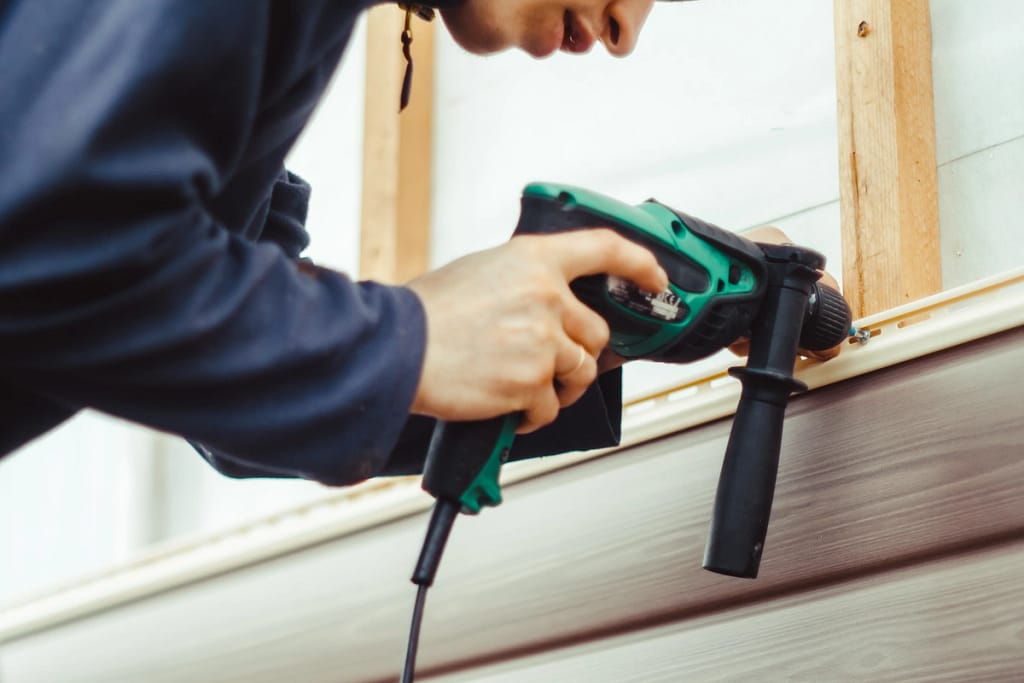
Installation & Maintenance Tips for Boral Siding
Installing and maintaining Boral siding properly is key to maximizing its performance and longevity. While it’s known for being low-maintenance and easy to work with, following best practices ensures long-term value and protects your investment, especially in a climate like Pennsylvania’s, where freeze-thaw cycles and humidity can put materials to the test.
Can Homeowners Install Boral Siding Themselves?
Technically, yes. Boral siding is easier to cut and handle than fiber cement and can be worked with standard woodworking tools.
However, DIY installation is not recommended unless you have professional-level experience.
Why?
- Precise spacing and fastening are critical to avoid future warping or water intrusion.
- Improper flashing, nailing, or caulking can compromise the system and void the warranty.
- The product’s long-term performance depends on following the manufacturer’s guidelines exactly.
What Professional Installers Need to Know
If you’re a contractor or hiring one, these are non-negotiables for a quality Boral install:
- No priming required – End cuts and field cuts don’t need to be sealed.
- Use corrosion-resistant fasteners – Galvanized or stainless steel is ideal.
- Maintain expansion gaps – Allow for thermal movement as per manufacturer specs.
- Store flat and dry – Avoid bending or leaning boards before installation.
- Install over flat sheathing – Ensure a smooth, even surface for best results.
Boral siding is heavier than vinyl but lighter than fiber cement, making it easier to handle with two people but still requiring proper support.
Annual Maintenance Checklist
One of Boral siding’s biggest selling points is its minimal upkeep, but that doesn’t mean it’s completely maintenance-free. Here’s what we recommend checking each year:
| Task | Recommended Frequency |
|---|---|
| Wash with mild soap + water | Once per year (spring or fall) |
| Inspect caulking at seams & joints | Annually |
| Check for loose fasteners or damage | Annually |
| Touch up paint (if painted) | Every 5–7 years |
| Trim back overgrown vegetation | Ongoing |
Professional installation and simple, annual maintenance are all it takes to keep your Boral siding performing at its best. With proper care, it can deliver decades of durability, curb appeal, and peace of mind, even in Pennsylvania’s challenging climate.
How Much Does Boral Siding Cost?
The cost of Boral siding can vary significantly based on several factors, including the type of siding profile chosen, the size of your home, and your location. On average, homeowners can expect to pay between $8 and $14 per square foot for Boral siding installation, including materials and labor. This means that for a typical 2,000 square foot home, you can expect to spend between $16,000 and $28,000.
It’s important to note that these costs can be higher than some other siding materials like vinyl or wood, but Boral siding’s durability and low maintenance requirements often make it a cost-effective choice in the long run. To get an accurate estimate for your specific project, it’s advisable to request quotes from local contractors.
How Long Does Boral Siding Last?
One of the key selling points of Boral siding is its impressive longevity. When properly installed and maintained, Boral siding can last for several decades, often exceeding 50 years. This exceptional lifespan is due to its resistance to moisture, rot, pests, and fire. Additionally, Boral siding does not fade or peel like natural wood, helping it maintain its aesthetic appeal for many years.
Warranty Options for Boral Siding
When investing in a high-quality siding like Boral, it’s essential to consider warranty options that provide added peace of mind. Boral offers various warranty packages depending on the specific product and application. Typically, Boral siding comes with a limited warranty that covers manufacturing defects, ensuring that your investment remains protected.
The duration of these warranties can vary but often ranges from 15 to 30 years. It’s crucial to read and understand the terms and conditions of the warranty, including any maintenance requirements, to ensure full coverage. Additionally, some contractors may offer installation warranties, further safeguarding your investment. Before making your final decision, discuss warranty options with your installer and choose the one that aligns best with your needs and budget.
Boral vs. Fiber Cement: What We Recommend
At O’Donnell Roofing, we’ve worked with nearly every type of siding on the market, and we always help homeowners choose the material that best fits their goals, budget, and local climate.
While Boral TruExterior offers excellent moisture resistance and authentic wood looks, fiber cement remains one of our top recommendations for Pennsylvania homes. Here’s why:
- It’s tougher in extreme cold and wet climates, resisting expansion and contraction better over time.
- It offers more style options in terms of finish, lap width, and color choices — great for homeowners seeking curb appeal flexibility.
- It’s more widely available and easier to source quickly, keeping project timelines on track.
That said, Boral is ideal for homeowners who prioritize a wood-like appearance with less maintenance than real wood, and who value sustainability (thanks to its poly-ash blend).
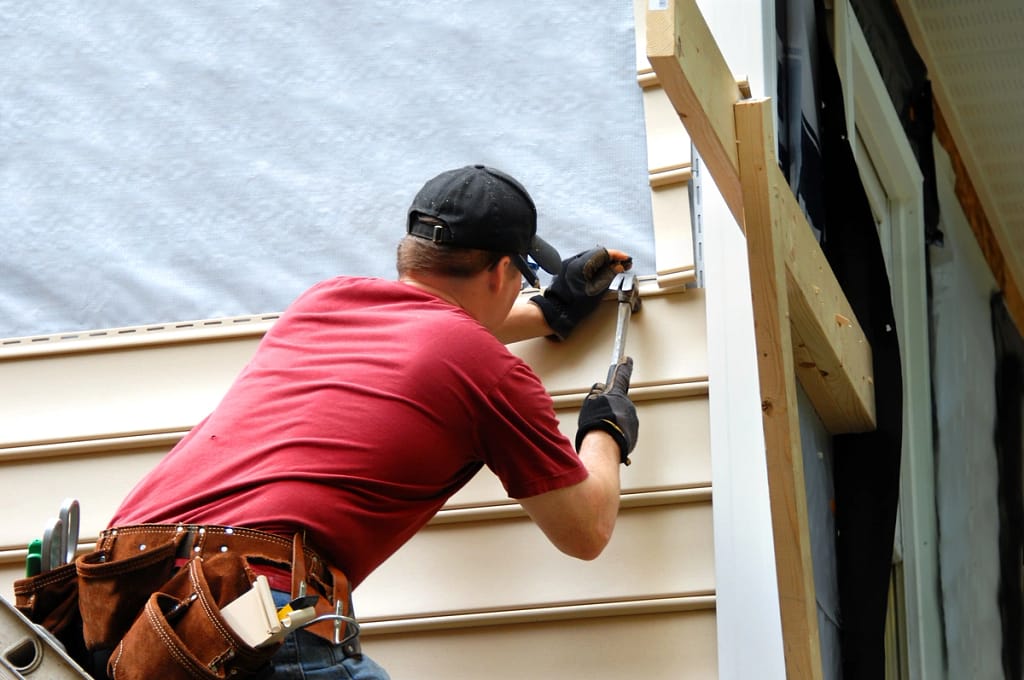
Let Us Help With All of Your Exterior Siding Needs
Boral siding offers the perfect blend of durability, low maintenance, and timeless curb appeal, making it a smart investment for homeowners who want long-term performance without the hassle. While the upfront cost may be higher than other materials, its resistance to rot, pests, and weather damage means fewer repairs and greater peace of mind over time.
If you’re considering a siding upgrade and want expert guidance tailored to your home and budget, the team at O’Donnell Roofing is here to help.
Contact us today to schedule a free consultation or request a personalized siding estimate.
FAQs
What is Boral siding made of?
Boral siding is made from a poly-ash composite, which combines recycled polymers and fly ash. This proprietary blend makes it highly resistant to moisture, rot, and insects.
How long does Boral siding last?
With proper installation and minimal maintenance, Boral siding can last 20 to 30+ years. Its stable composition helps it resist warping, cracking, and weather damage over time.
Is Boral siding good?
Yes. Boral siding is a high-performance, low-maintenance alternative to wood and fiber cement. It’s durable, eco-friendly, and ideal for climates with moisture and temperature swings.
Can Boral siding be painted?
Yes, Boral siding can be painted with 100% acrylic latex paint. While it comes pre-finished, it holds paint exceptionally well if you choose to change the color later.