

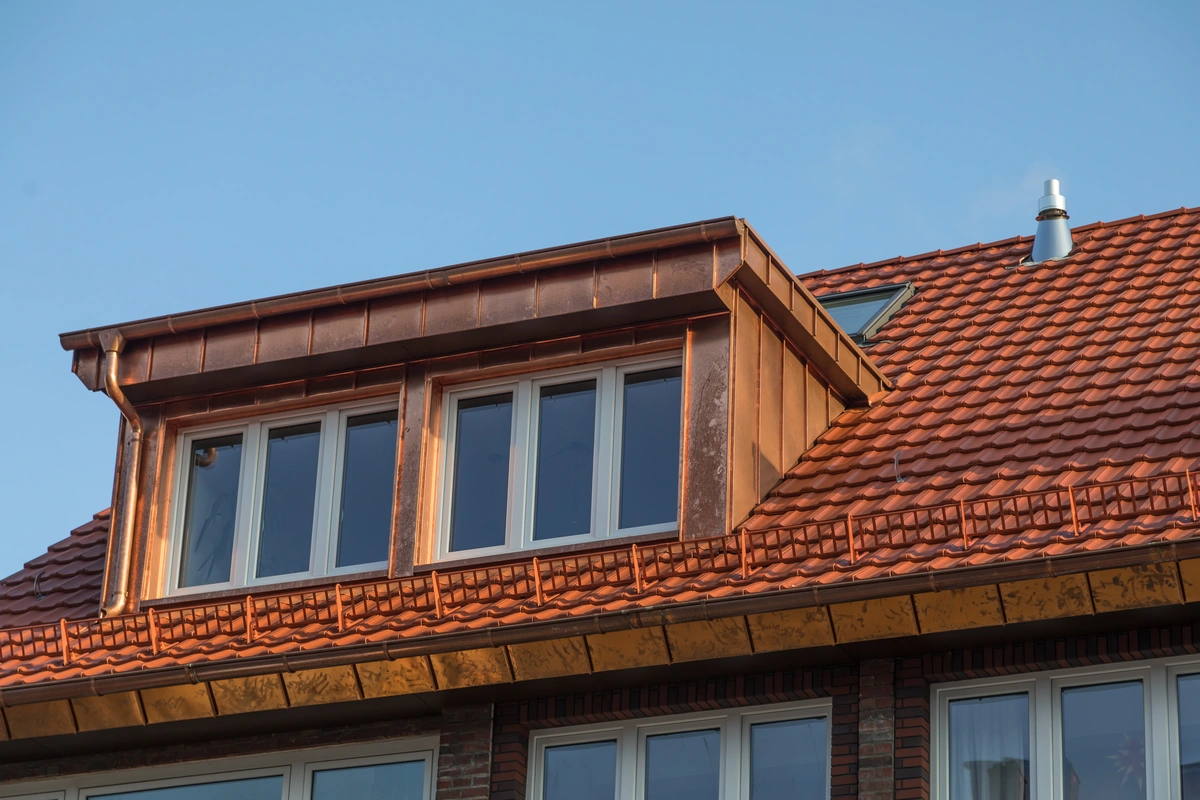
Copper roofing has adorned distinguished buildings for centuries, prized for its timeless charm, unmatched durability, and the living patina that makes every installation one of a kind. It is not just a roofing material; it is a statement of luxury and craftsmanship that signals quality from the curb. That said, it is a significant investment and a decision worth making carefully, which is why this guide walks through the reasons homeowners choose copper, along with the styles, cost, and care it involves. Here is what you will learn:
- The premium advantages: The six qualities that make copper a top-tier roofing choice.
- Styles and cost: The popular copper roof styles and what a copper roof actually costs.
- Longevity and care: How long copper lasts and how to choose the right installer.
Metal roofing keeps growing in popularity, but is a copper roof right for your home in Villanova and surrounding areas? Read on to find out.
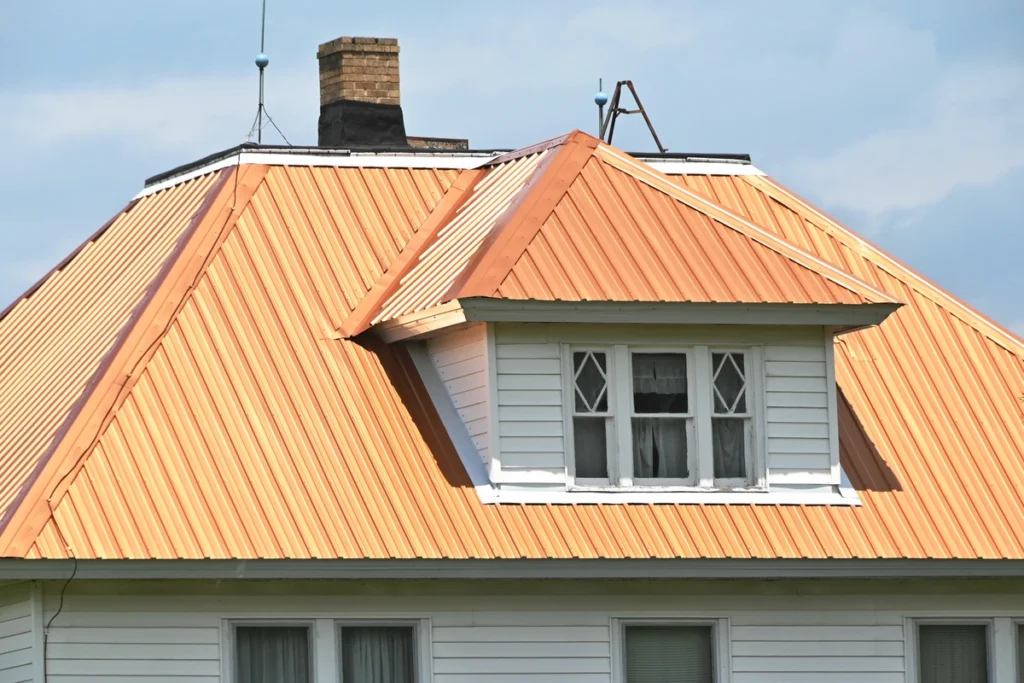
6 Reasons Copper Roofing Is a Premium Choice
Copper earns its premium reputation through a rare combination of beauty, longevity, and performance that few materials can match. The six reasons below explain why homeowners and architects choose copper when they want a roof that lasts and impresses.
1. Why Does Copper Offer Timeless Aesthetic Appeal?
Copper offers timeless aesthetic appeal because its natural patina evolves over time, shifting from a shiny reddish-brown to a distinguished greenish-blue. This aging process gives every copper roof a living, ever-changing appearance that sets it apart from static roofing materials and adds genuine character to a home. No two copper roofs weather in exactly the same way, so the finish becomes unique to your house and its environment. For homeowners who want a roof that reads as elegant and one of a kind, copper delivers a look that other materials simply cannot replicate.
- Living finish: The patina shifts from reddish-brown to greenish-blue over the years.
- Distinctive character: Each roof weathers uniquely to its own environment.
- Architectural elegance: Copper adds sophistication to nearly any style of home.
- Lasting beauty: The evolving appearance stays attractive across decades.
2. How Long Does a Copper Roof Last?
A copper roof lasts far longer than most roofing materials, often serving for generations when properly installed and maintained. Copper’s exceptional lifespan comes from its natural resistance to corrosion and the self-protective patina that shields the metal as it ages. This longevity makes copper a sustainable choice, since it minimizes the need for replacements and the waste that comes with them. While the upfront cost is high, spreading that investment across many decades of service often makes copper surprisingly cost-effective over the long run for homes in Villanova and surrounding areas.
- Generational lifespan: Copper roofs commonly serve for many decades or longer.
- Corrosion resistance: The metal naturally resists rust and weathering.
- Sustainable choice: A long life means fewer replacements and less waste.
- Long-term value: The cost spreads across decades of reliable service.
3. What Makes Copper So Durable?
Copper is exceptionally durable because it withstands a wide range of weather conditions without corroding, rusting, or warping. From harsh storms to extreme temperature swings, copper holds its structural integrity where other materials degrade, keeping your home protected for decades. Copper is also naturally resistant to algae and moss growth, which reduces the cleaning and upkeep many other roofs demand. This resilience is a major reason copper appears so often on historic and prestigious buildings that have stood the test of time.
- Weather resistance: Copper handles storms and temperature extremes without failing.
- No rust or warp: The metal will not corrode, rust, or distort over time.
- Growth resistant: Copper naturally inhibits algae and moss.
- Proven performance: It is a favorite on long-standing historic structures.
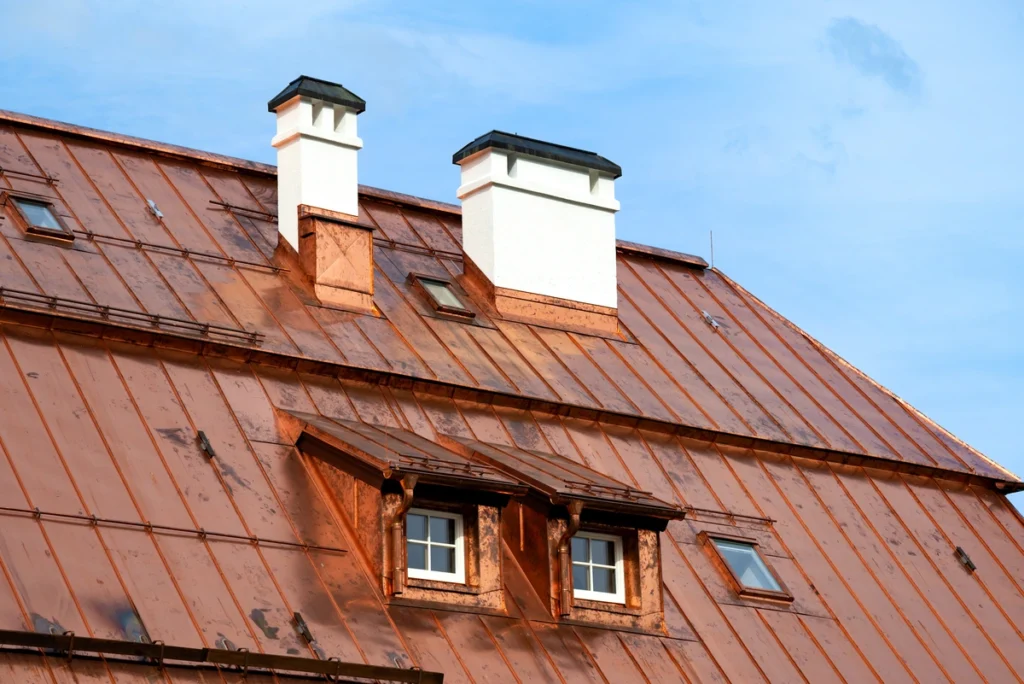
4. Why Is Copper Roofing Lightweight?
Copper roofing is surprisingly lightweight despite its strength, which places less stress on a building’s structure than heavier roofing options. This reduced weight gives architects and builders more flexibility in design and can simplify the structural requirements of a project. A lighter roof means less load on the framing and supports, which is especially valuable on older homes or distinctive architectural designs. The lightweight nature of copper can also help streamline certain aspects of installation compared to far heavier materials like slate or concrete tile.
- Low structural load: Copper places less stress on the building’s frame.
- Design flexibility: Lighter weight allows for more architectural freedom.
- Older-home friendly: Reduced load suits homes with limited structural capacity.
- Easier handling: The metal’s light weight can simplify installation logistics.
5. How Does Copper Stay Low Maintenance?
Copper stays low maintenance because the patina it forms becomes self-protective, shielding the metal from further corrosion as it ages. Where many roofing materials need regular treatment and repair, a copper roof typically requires only routine inspections and the occasional cleaning to stay in excellent condition. There is no need to repaint, reseal, or constantly treat the surface, since the metal essentially protects itself over time. For homeowners who want a beautiful roof without an ongoing maintenance burden, copper is one of the most carefree premium options available.
- Self-protecting patina: The aged surface guards the metal beneath it.
- Minimal upkeep: Routine inspections and occasional cleaning are usually enough.
- No refinishing: Copper needs no repainting or resealing over its life.
- Carefree ownership: The roof largely maintains itself for decades.
6. Why Is Copper Energy Efficient?
Copper contributes to energy efficiency because it reflects sunlight and helps regulate the temperature beneath the roof. By reflecting solar radiation rather than absorbing it, a copper roof can reduce excess heat from penetrating the home, which eases the load on cooling systems during warm months. This reflective quality can translate into lower heating and cooling costs over time, adding a practical benefit to copper’s many aesthetic advantages. Combined with its longevity, that efficiency strengthens the long-term value case for choosing copper.
- Solar reflection: Copper reflects sunlight rather than absorbing heat.
- Temperature regulation: The roof helps keep interior temperatures stable.
- Lower energy costs: Reduced cooling load can trim utility bills.
- Added value: Efficiency complements copper’s durability and beauty.
What Are the Drawbacks of Copper Roofing?
Like any material, copper roofing has a few downsides worth weighing before you commit. Understanding these trade-offs helps you decide whether copper is the right fit for your home and budget.
What Should Homeowners Consider Before Choosing Copper?
Before choosing copper, homeowners should consider its high upfront cost, the variability of its patina, and its relative softness compared to other metals. Copper is among the most expensive roofing materials available, though its long lifespan and low maintenance can offset that investment over the decades. The patina also develops unevenly depending on climate and exposure, which appeals to some homeowners but frustrates those who want a uniform look. Finally, copper is softer than steel and expands and contracts with temperature, so skilled installation is essential. Keep these factors in mind:
- High initial cost: Copper is one of the most expensive roofing materials upfront.
- Patina variability: The finish develops unevenly based on climate and exposure.
- Susceptible to denting: Copper is softer and can dent from hail or heavy debris.
- Thermal movement: Copper expands and contracts, requiring expert installation.
5 Popular Copper Roofing Styles
Copper roofing offers remarkable versatility in design, letting homeowners and architects match the material to a building’s character. Below are five of the most popular copper roofing styles and where each one shines.
Standing Seam Copper Roofing
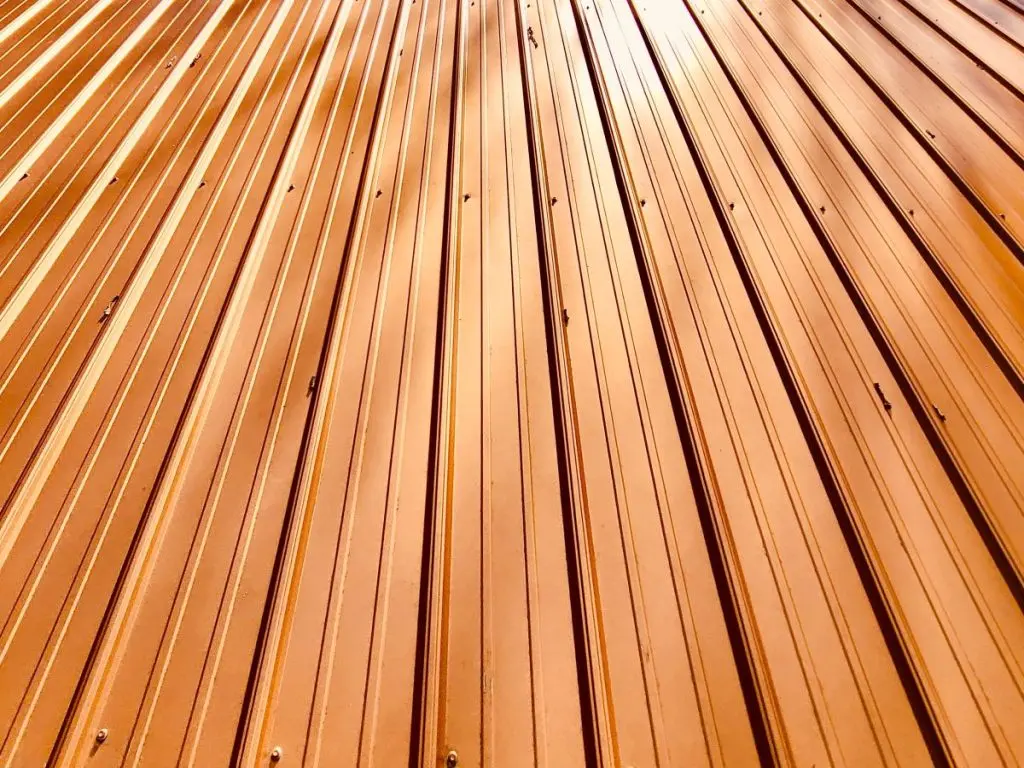
Standing seam copper roofing is a sleek, contemporary choice defined by long, interlocking panels with raised vertical seams. This style delivers a clean, modern look while providing excellent water resistance and durability, which is why it is so common on both commercial and residential buildings. The raised seams not only create the distinctive lines of the design but also help shed water efficiently. Standing seam is often the go-to for homeowners who want a minimalist, high-performance copper roof.
- Modern look: Vertical raised seams create a clean, contemporary appearance.
- Water resistance: The interlocking design sheds water effectively.
- Versatile use: Suits both commercial and residential buildings.
- High durability: A popular choice for long-lasting performance.
Flat Seam Copper Roofing
Flat seam copper roofing uses smaller copper panels installed in a horizontal or diagonal pattern for a more traditional, textured appearance. This style is frequently chosen for historic and heritage restoration work, where its classic look helps preserve a building’s original character. The flat profile creates a subtle, refined texture that differs from the bold lines of standing seam. Flat seam copper is prized for its timeless charm and its suitability on complex or curved surfaces.
- Traditional texture: Small panels create a classic, refined surface.
- Restoration favorite: Common in historic and heritage projects.
- Curved-surface ready: Works well on complex roof shapes.
- Timeless charm: Delivers an enduring, elegant appearance.
Copper Shingles
Copper shingles replicate the look of traditional roofing shingles while adding the elegance and durability of copper. These individual pieces come in various shapes and sizes, offering design flexibility along with copper’s longevity and low maintenance. They can cover an entire roof or accent specific areas, such as a dormer or bay window. Copper shingles are a popular way to enjoy copper’s benefits with a more familiar, classic roofing profile.
- Familiar profile: Mimics traditional shingles with copper’s advantages.
- Design flexibility: Available in many shapes and sizes.
- Accent or full roof: Works for whole roofs or feature areas.
- Lasting quality: Combines classic looks with copper longevity.
Copper Tiles
Copper tiles provide a distinctive, upscale look and come in a range of patterns for custom designs. They can be shaped into eye-catching forms, such as fish-scale or diamond patterns, to add architectural interest to a roof or a specific feature. Copper tiles are especially popular in Mediterranean and Spanish-style architecture, where they lend a touch of rustic beauty. For homeowners who want a truly bespoke roof, copper tiles offer creative possibilities few other materials can match.
- Custom patterns: Available in decorative shapes like fish-scale designs.
- Architectural interest: Adds distinctive detail to roofs and features.
- Style match: Popular in Mediterranean and Spanish architecture.
- Bespoke appeal: Enables highly customized roof designs.
Copper Dome Roofing
Copper dome roofing showcases the craftsmanship and malleability of the metal, forming the striking curved rooftops seen atop historic buildings, churches, and government structures. These architectural masterpieces highlight copper’s ability to be shaped into complex, eye-catching forms. A copper dome becomes a focal point, drawing the eye and signaling distinction. While more specialized, dome roofing demonstrates the artistic potential of copper in the hands of skilled craftspeople.
- Sculptural form: Copper’s malleability enables dramatic curved designs.
- Landmark presence: Common on churches and civic buildings.
- Focal point: A dome becomes a standout architectural feature.
- Skilled craft: Showcases the artistry of expert metalwork.
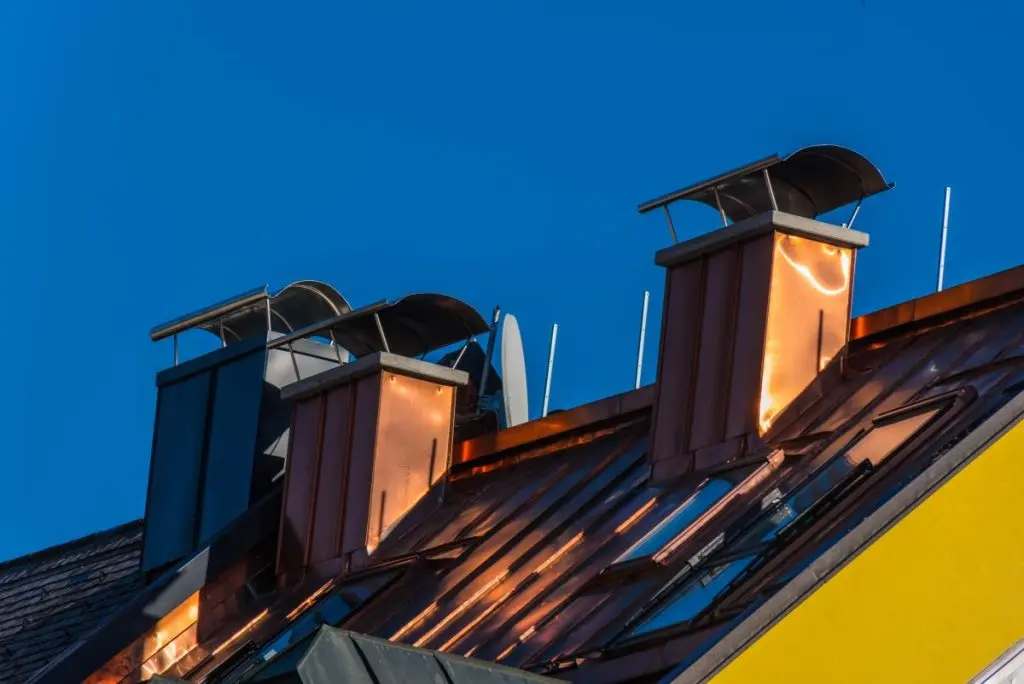
How Much Does Copper Roofing Cost?
Copper roofing is a premium investment, and its cost reflects both the material and the specialized skill required to install it. Understanding the price range helps you budget realistically and compare quotes with confidence.
What Is the Average Cost of a Copper Roof?
The average cost of a copper roof typically runs from about $15 to $40 per square foot installed, which places most full roofs in the range of roughly $30,000 to $80,000 depending on size and complexity. As of 2026, the average cost to install a copper roof is $15 to $40 per square foot, or about $30,000 to $80,000 for a 2,000-square-foot roof, with national averages commonly cited near $38,000. While that upfront figure is high, copper’s long lifespan means the cost spreads across many decades, often making it cost-effective over time. Several factors drive the final price:
- Roof size and complexity: Larger or more intricate roofs require more material and labor.
- Labor and installation: Skilled craftsmanship is essential and affects the total cost.
- Copper thickness and style: Thicker copper and certain styles cost more.
- Geographic location: Local material availability and labor rates influence pricing.
Longevity of Copper Roofing
One of the most compelling aspects of copper roofing is its remarkable longevity. With proper installation and care, copper roofs routinely outlast every other common roofing material.
What Gives Copper Its Long Lifespan?
Copper’s long lifespan comes from a combination of its self-protective patina, low maintenance needs, inherent durability, and the quality of its installation. The International Association of Certified Home Inspectors lists copper roofing with a life expectancy of 70 or more years, and well-maintained copper roofs on historic buildings have endured far longer than a century. The patina shields the metal from corrosion, while copper’s natural resistance to rust and temperature extremes preserves its structural integrity. Above all, skilled installation by an experienced contractor is what allows a copper roof to reach its full potential lifespan. Key factors include:
- Self-protective patina: The aged surface guards against corrosion over time.
- Low maintenance: Minimal upkeep helps the roof reach its full lifespan.
- Inherent durability: Resistance to rust and temperature extremes preserves integrity.
- Quality installation: Skilled workmanship is critical to maximizing longevity.
How Does Copper Compare to Other Metal Roofing?
Copper sits at the top of the metal roofing market, outperforming materials like aluminum and steel in longevity and corrosion resistance while carrying a higher price. Knowing how it compares helps you decide whether the premium is worth it for your home.
Is Copper Worth It Compared to Aluminum or Steel?
Copper is worth the premium for homeowners who prioritize longevity, beauty, and minimal maintenance over the lowest upfront cost. Aluminum and steel are considerably cheaper and perform well, but they generally last 40 to 50 years, while copper can serve for generations and never rusts. Copper also develops its signature patina, an aesthetic quality painted metals can only imitate. For a forever home or a property where distinctive appearance and lasting value matter most, copper often justifies its higher price, while budget-focused homeowners may find aluminum or steel the more practical fit. Consider the trade-offs:
- Longevity edge: Copper outlasts aluminum and steel, often by decades.
- No rust: Unlike steel, copper never rusts as it ages.
- Higher cost: Copper carries a notably higher price than other metals.
- Aesthetic value: Copper’s patina is a look other metals only imitate.
6 Tips for Finding a Qualified Roofing Contractor
Installing a real copper roof is a significant investment, so it is essential to find a qualified roofing contractor who specializes in copper. The steps below help you identify a professional you can trust with the job.
1. Research and Referrals
Start by researching local roofing contractors with proven experience in copper roofing. Ask friends, family, and neighbors for referrals, and read online reviews and testimonials to gauge the quality and consistency of a contractor’s work. A strong local reputation is one of the most reliable signals of a contractor worth considering. Take the time to build a short list before reaching out for quotes.
- Local experience: Seek contractors with a track record in copper specifically.
- Personal referrals: Recommendations from people you trust carry real weight.
- Online reviews: Testimonials reveal consistency and quality.
- Short list first: Gather several candidates before requesting quotes.
2. Credentials and Licensing
Verify that any contractor you consider is licensed, insured, and certified to work in your area. Proper licensing confirms that they meet local building codes and safety standards, while insurance protects you from liability during the job. Never take credentials on faith; confirm them directly with the issuing bodies. This single step filters out unqualified operators quickly.
- Valid license: Confirms compliance with local codes and standards.
- Active insurance: Protects you from liability for injuries or damage.
- Independent check: Verify credentials directly, not just on paper.
- Quick filter: Credentials separate professionals from amateurs.
3. Experience and Portfolio
Review the contractor’s portfolio of past copper roofing work to confirm they can deliver the quality you expect. A reputable contractor should readily provide references and show examples of completed copper projects similar to yours. Copper demands specialized skill, so evidence of real-world experience matters more than general roofing credentials. Ask to see both recent and older work to judge how their installations hold up over time.
- Proven portfolio: Look for completed copper projects, not just general roofing.
- Willing references: Reputable contractors share past clients freely.
- Relevant work: Seek examples similar to your home and roof style.
- Aging quality: Older projects reveal how the work holds up.
4. Written Estimates
Obtain detailed written estimates from multiple contractors, each outlining the scope of work, materials, labor costs, and project timeline. Comparing itemized quotes side by side helps you understand what you are paying for and spot any red flags. A vague or suspiciously low estimate is a warning sign rather than a bargain. Detailed documentation also protects you once the work begins.
- Itemized detail: Estimates should break down materials, labor, and timeline.
- Multiple quotes: Comparing bids reveals fair pricing.
- Red-flag check: Vague or lowball quotes warrant caution.
- Written protection: Documentation safeguards you during the job.
5. Ask Questions
During the consultation, ask about the installation process, warranties, and any concerns you have, and pay attention to how clearly the contractor responds. A knowledgeable professional should address your questions thoroughly and put you at ease about the work ahead. The way a contractor communicates before the job often reflects how they will communicate during it. Do not hesitate to dig into the details that matter to you.
- Process clarity: A good contractor explains the installation step by step.
- Warranty details: Ask exactly what is covered and for how long.
- Clear answers: Thorough responses signal real expertise.
- Communication preview: Pre-job clarity reflects on-the-job reliability.
6. Warranty
Ensure the contractor offers a comprehensive warranty on their workmanship and that the copper material itself is backed by a manufacturer’s warranty. Two layers of coverage, one for the installation and one for the material, give you the strongest protection on a major investment. Ask how long each warranty lasts and what conditions could void it. A contractor confident in their work will stand behind it in writing.
- Workmanship warranty: Covers the quality of the installation itself.
- Manufacturer warranty: Backs the copper material against defects.
- Coverage terms: Confirm length and what could void each warranty.
- Written assurance: A confident contractor guarantees work on paper.
Frequently Asked Questions
How Much Does a Copper Roof Cost?
A copper roof typically costs about $15 to $40 per square foot installed, or roughly $30,000 to $80,000 for an average-sized home, with national averages often near $38,000. The final price depends on roof size, style, complexity, and local labor rates. Requesting itemized quotes from multiple contractors gives the most accurate estimate.
How Long Does a Copper Roof Last?
Copper roofs have a life expectancy of 70 or more years according to InterNACHI, and well-maintained copper roofs on historic buildings have lasted well beyond a century. Their longevity comes from copper’s corrosion resistance and self-protective patina. Quality installation is key to reaching that full lifespan.
Why Does Copper Turn Green?
Copper turns green through a natural oxidation process that forms a patina, shifting from shiny reddish-brown to a greenish-blue over time. This patina is not damage; it actually protects the metal from further corrosion. Homeowners who prefer the original shine can have the copper sealed.
Is a Copper Roof Worth the Cost?
For many homeowners, a copper roof is worth the cost because its long lifespan, low maintenance, and distinctive beauty deliver strong long-term value. It can also boost resale value and may qualify for lower insurance rates due to its durability. The investment makes the most sense for long-term homeowners and high-end properties.
Does a Copper Roof Require Special Maintenance?
Copper roofs require very little maintenance thanks to their self-protective patina. Routine inspections and occasional debris and gutter cleaning are usually all that is needed. Unlike many materials, copper does not need repainting or resealing to stay protected.
Can a Copper Roof Be Installed Over an Existing Roof?
In most cases, a copper roof should be installed on a properly prepared deck rather than over an old roof, since correct installation is critical to its performance and lifespan. A qualified contractor will assess your existing structure and remove old materials as needed. Proper preparation ensures the roof lasts its full potential lifespan.
Get Premium Copper Roof Installation From O’Donnell Roofing Co.
Copper roofing is the pinnacle of premium roofing, but it requires a team you can trust to install it with the precision the material demands. At O’Donnell Roofing Co., we bring a century of experience to homes throughout Villanova and surrounding areas, pairing skilled craftsmanship with the care a copper roof deserves. From standing seam to custom copper accents, we install every roof to deliver the beauty, durability, and decades of performance that make copper worth the investment. When you are ready to add the timeless distinction of a copper roof to your home, contact us today to learn more about our metal roofing services.