Understanding the different types of windows can help you choose the best style for your home’s design, lighting needs, and energy efficiency. From traditional double-hung windows to large, modern picture windows, each type offers distinct benefits. Whether you’re replacing old windows or planning new construction, selecting the right window style is key to achieving the perfect balance of function and aesthetics.
In this guide, we’ll cover:
- The main types of windows for residential homes: How each one functions and looks.
- Pros and cons of popular window styles: Which options offer the best efficiency and ventilation.
- Tips for choosing the right fit: How to match window design with your home’s architecture.
If you live in Berwyn or surrounding areas, this guide will help you make an informed decision when upgrading or replacing your home’s windows.
Why Choosing the Right Windows Matters
Windows are more than just an architectural feature — they shape how your home looks, feels, and performs. The right style improves energy efficiency, increases natural light, and enhances curb appeal.
Key Benefits of New Windows
- Energy savings: Modern windows reduce drafts and improve insulation.
- Increased comfort: Better temperature regulation throughout the home.
- Improved appearance: Fresh designs enhance both interior and exterior aesthetics.
- Higher resale value: Quality window upgrades attract buyers and add lasting value.
5 Types of Windows for Your Home
Each window type has a unique look and purpose. Some maximize light, while others prioritize airflow or ease of use. Here are five popular styles to consider for your home.
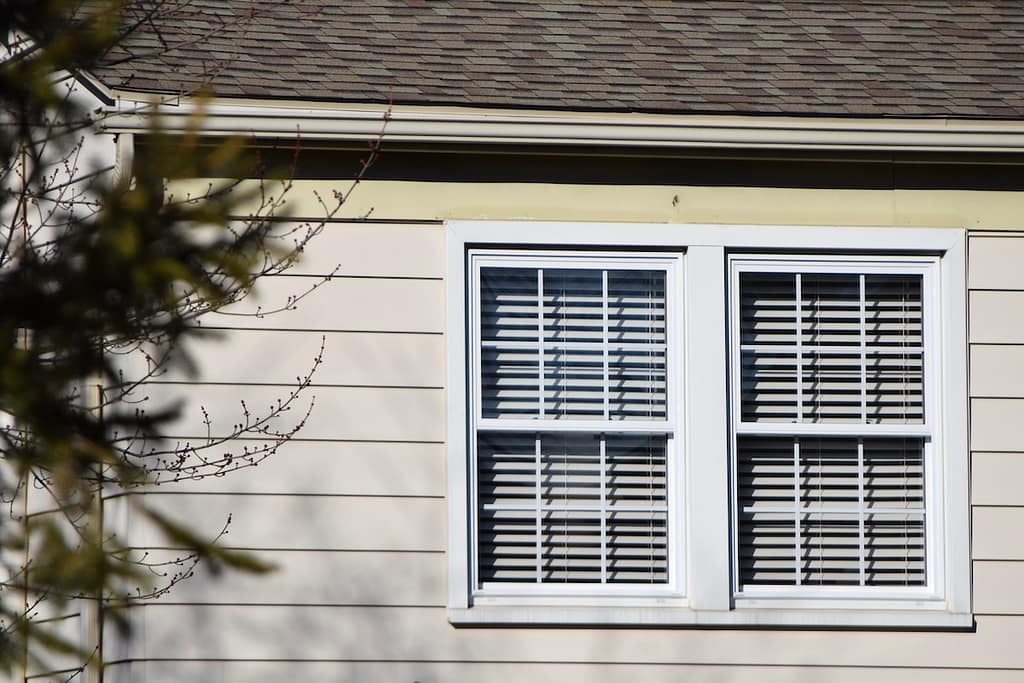
1. Double-Hung Windows
One of the most common types, double-hung windows feature two operable sashes that slide vertically. They’re easy to clean and provide excellent ventilation, making them ideal for bedrooms and living spaces.
- Pros: Versatile, easy to operate, and simple to clean from inside.
- Cons: Slightly less airtight than fixed windows due to moving parts.
- Best for: Traditional and colonial-style homes.
2. Casement Windows
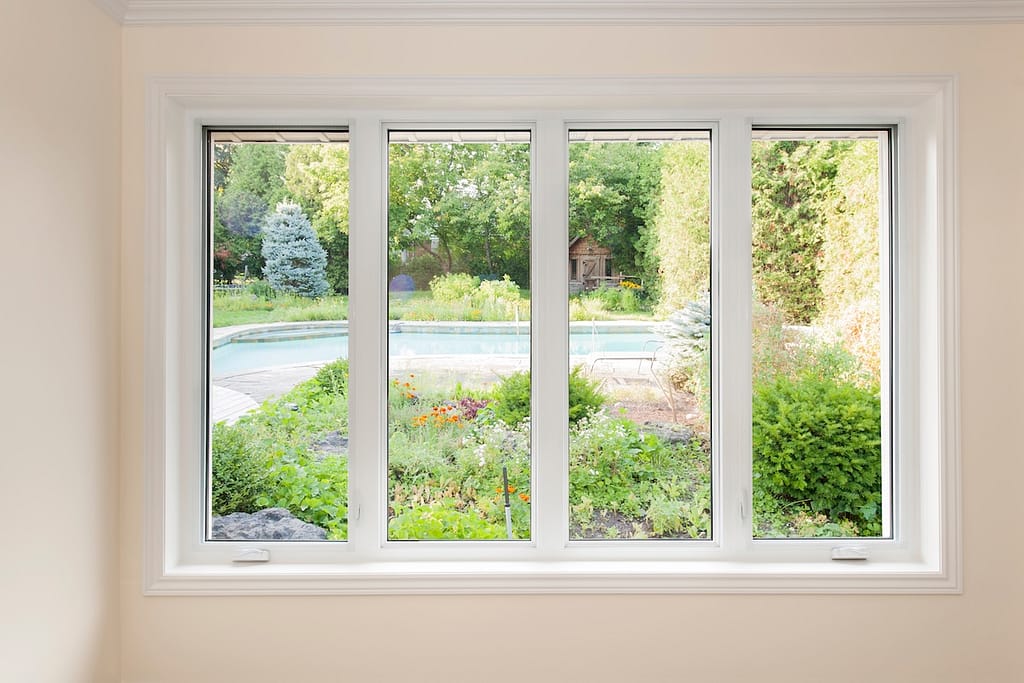
Casement windows open outward using a hand crank, providing full top-to-bottom ventilation. Their tight seal when closed makes them one of the most energy-efficient options available.
- Pros: Excellent airflow, secure locking, and strong weather resistance.
- Cons: Requires space to open outward; hardware may wear over time.
- Best for: Contemporary or European-style homes.
3. Sliding Windows
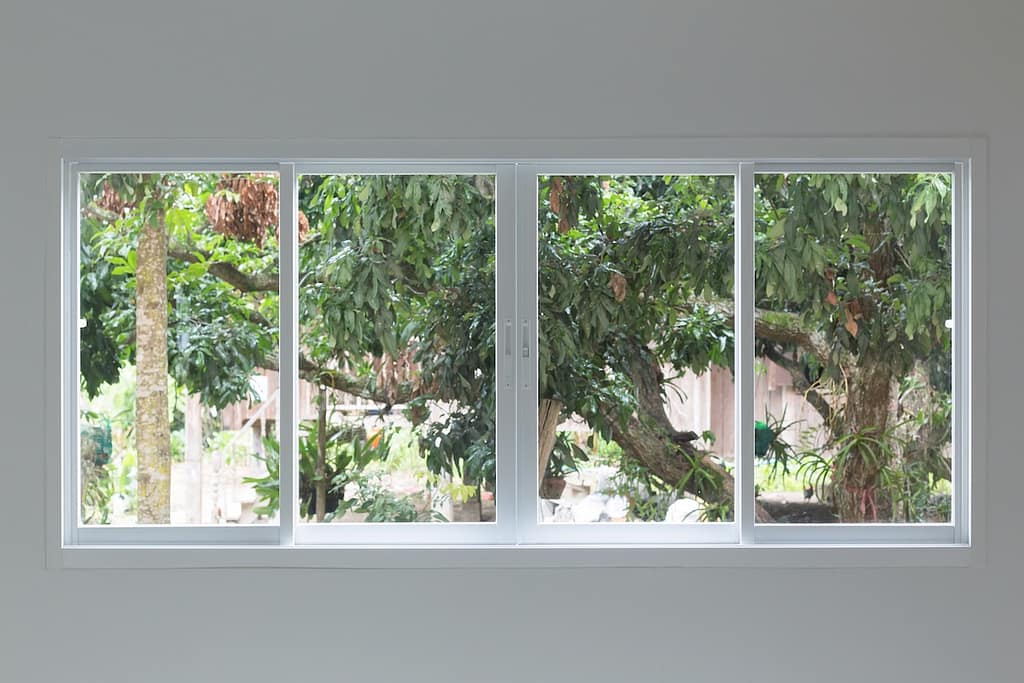
Sliding windows open horizontally along a track, offering wide, unobstructed views and simple operation. They’re particularly popular for modern homes and spaces with limited clearance outside.
- Pros: Easy to use, low maintenance, and budget-friendly.
- Cons: Tracks may collect dirt, reducing smooth movement if not cleaned regularly.
- Best for: Modern homes or rooms facing patios and decks.
4. Bay and Bow Windows
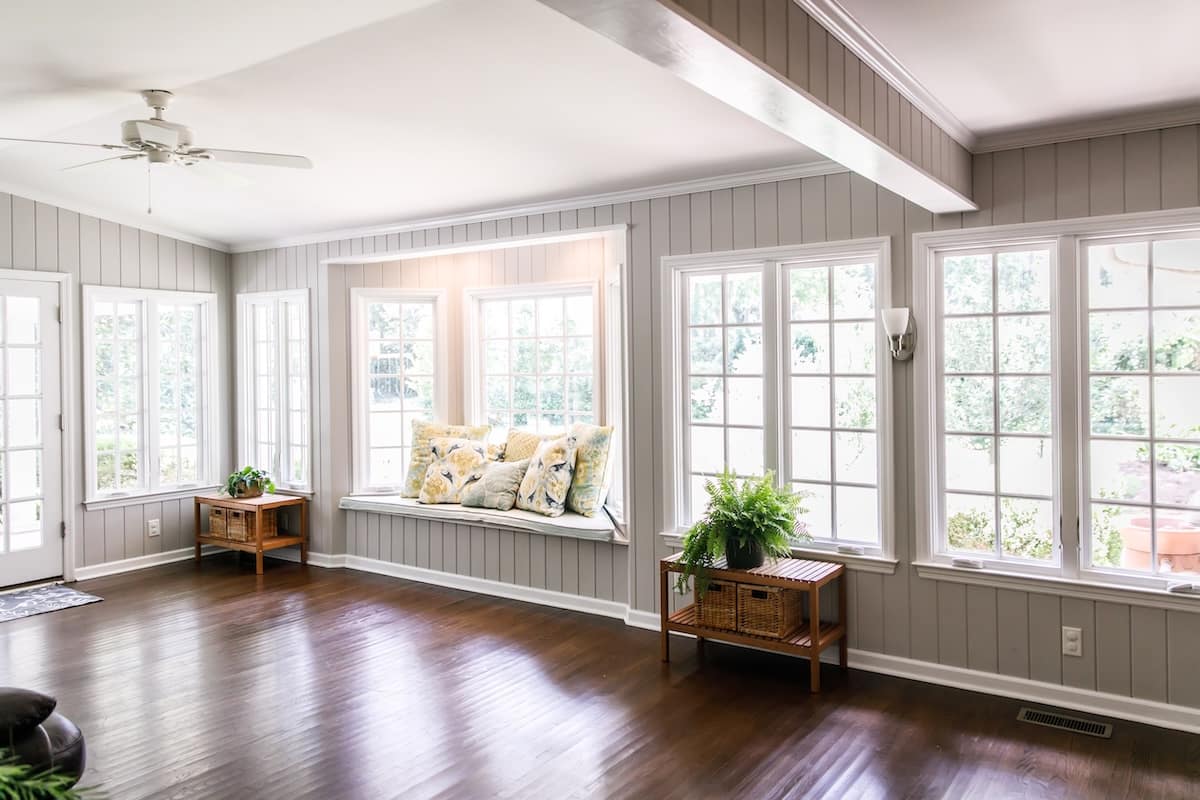
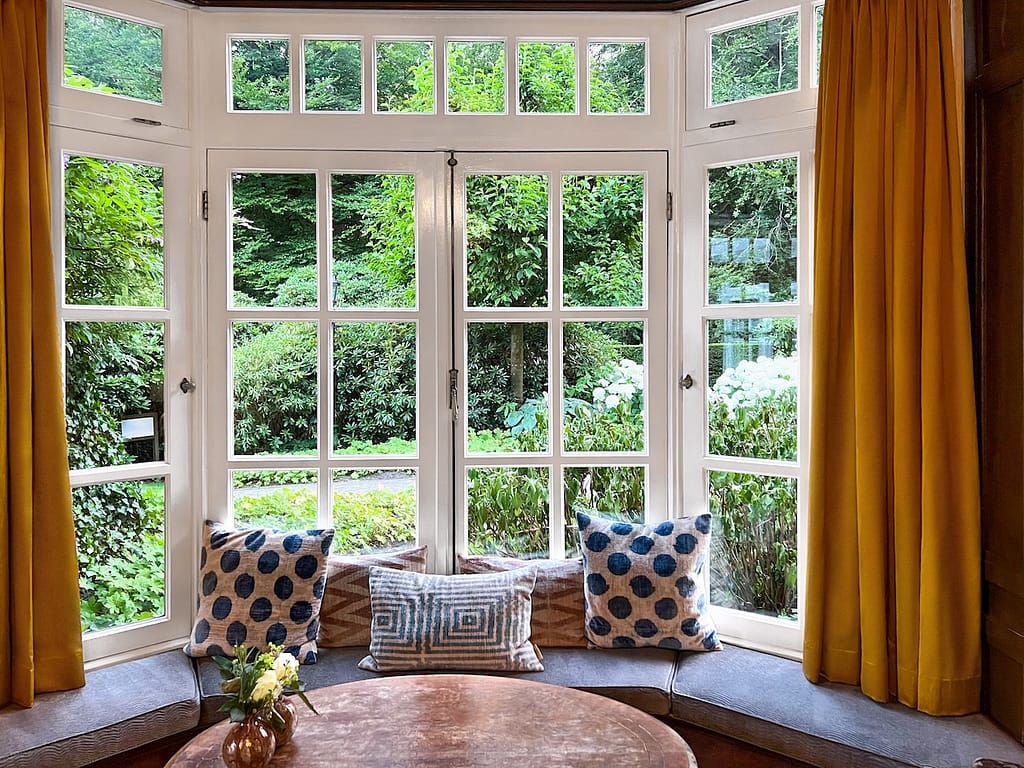
Bay and bow windows extend outward from the wall, creating extra space and panoramic views. Bay windows typically have three panels, while bow windows feature four or more curved sections.
- Pros: Adds architectural interest, increases natural light, and creates space for seating or décor.
- Cons: Higher installation cost; may require structural reinforcement.
- Best for: Living rooms, dining areas, and larger façades.
5. Picture Windows
Picture windows are fixed, meaning they don’t open, but they allow maximum natural light and stunning outdoor views. They’re energy-efficient and often used alongside other window styles for visual balance.
- Pros: Excellent insulation, low maintenance, and great for scenic views.
- Cons: No ventilation; can trap heat in warmer months without proper shading.
- Best for: Modern or contemporary homes with large wall spaces.

Additional Window Styles to Consider
While the five main types above are most common, there are other styles worth exploring depending on your home’s layout and lighting needs.
Awning Windows
Awning windows hinge at the top and open outward from the bottom, allowing ventilation even during light rain. They’re often installed higher on walls or combined with picture windows.
- Energy efficiency: Their tight seal minimizes air leaks.
- Ideal placement: Bathrooms, kitchens, or basements.
Hopper Windows
Similar to awning styles, hopper windows open inward from the top. They’re perfect for small spaces like basements or laundry rooms that need airflow without large openings.
- Durability: Compact and sturdy for limited spaces.
- Ease of use: Simple hinge operation for quick ventilation.
Garden Windows
Garden windows project outward like miniature greenhouses, ideal for growing herbs or houseplants.
- Natural light: Brings sunlight into kitchens or dining areas.
- Functionality: Adds extra shelf space and a charming aesthetic.
Energy Efficiency and Glass Options
Choosing energy-efficient glass is just as important as window style. Modern window systems include specialized coatings and gas fills that improve insulation and comfort.
Key Energy Features
- Low-E glass: Reflects infrared light to keep interiors cool in summer and warm in winter.
- Argon gas fill: Provides added insulation between glass panes.
- Double or triple glazing: Increases thermal performance and noise reduction.
Why Efficiency Matters
Upgrading to energy-efficient windows can reduce heating and cooling costs by up to 20%. This not only benefits the environment but also adds long-term value to your home.
How To Choose the Right Window for Your Home
Selecting the best window style involves balancing functionality, appearance, and performance.
- Architectural style: Match window design with your home’s overall look — for example, double-hung windows suit traditional homes, while casement or picture windows fit modern ones.
- Lighting needs: Determine how much natural light each room requires.
- Ventilation preferences: Choose operable windows where airflow is important.
- Energy priorities: Consider double-pane or Low-E options for better insulation.
Consulting with a professional installer ensures your new windows complement both your home’s structure and energy goals.
Comparing Window Materials
| Material | Durability | Energy Efficiency | Maintenance | Cost |
| Vinyl | High | High | Low | Affordable |
| Wood | Moderate | Moderate | Moderate | Mid-range |
| Aluminum | High | Moderate | Low | Mid-range |
| Fiberglass | Very High | Very High | Low | Premium |
Vinyl remains one of the most popular options due to its combination of cost, efficiency, and low upkeep.
Maintenance Tips for Long-Lasting Windows
Proper maintenance helps keep your windows functioning efficiently and looking great year-round.
- Clean glass regularly: Use mild soap and water to remove dirt and smudges.
- Lubricate moving parts: Apply silicone spray to hinges, tracks, and locks.
- Inspect seals and caulking: Replace deteriorated sealant to prevent drafts or moisture infiltration.
- Check drainage holes: Clear debris from weep holes on exterior frames.
Regular attention can extend your windows’ lifespan by years and maintain their efficiency.
Choose the Right Windows for Your Home’s Style
Exploring the different types of windows helps you find the perfect fit for your home’s design and performance needs. Each window style offers unique benefits, from the classic charm of double-hung windows to the expansive views of picture windows.
If you live in Berwyn, contact O’Donnell Roofing Co. today for a free window consultation and estimate. Our experts will help you choose and install windows that enhance beauty, efficiency, and comfort for years to come.