

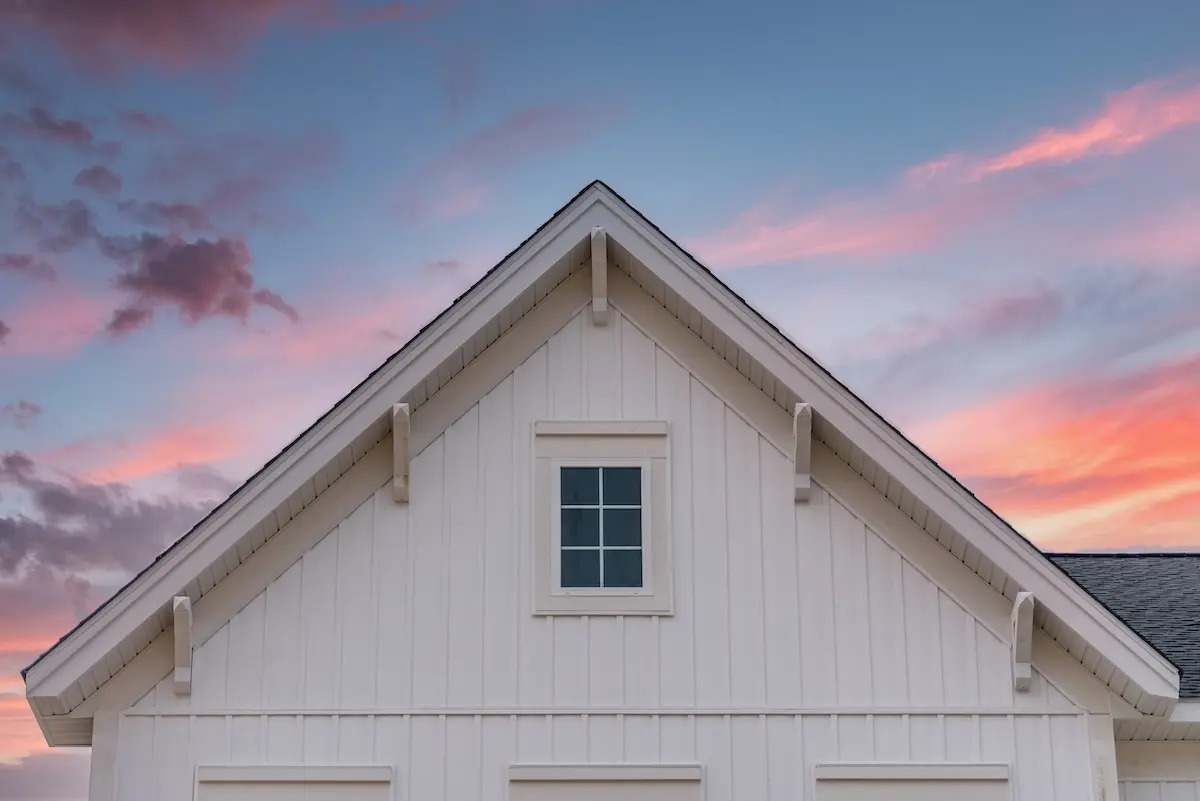
Hardie Panel vertical siding has become one of the most talked-about exterior upgrades for homeowners planning renovations, prized for its durability, low maintenance, and modern appeal. Made by James Hardie, this fiber cement product delivers the clean vertical lines of a modern farmhouse or contemporary home while standing up to weather far better than wood or vinyl. This guide walks through the looks, the real 2026 costs, and what proper installation involves so you can decide if it fits your home. Here is what you will learn:
- The looks: The finishes, textures, and design options that define Hardie Panel.
- The costs: What Hardie Panel siding costs in 2026, including finish choices.
- The installation: Why professional, certified installation matters for performance and warranty.
If you live in Bala Cynwyd or surrounding areas, this guide will help you evaluate whether Hardie Panel vertical siding is the right upgrade for your home.
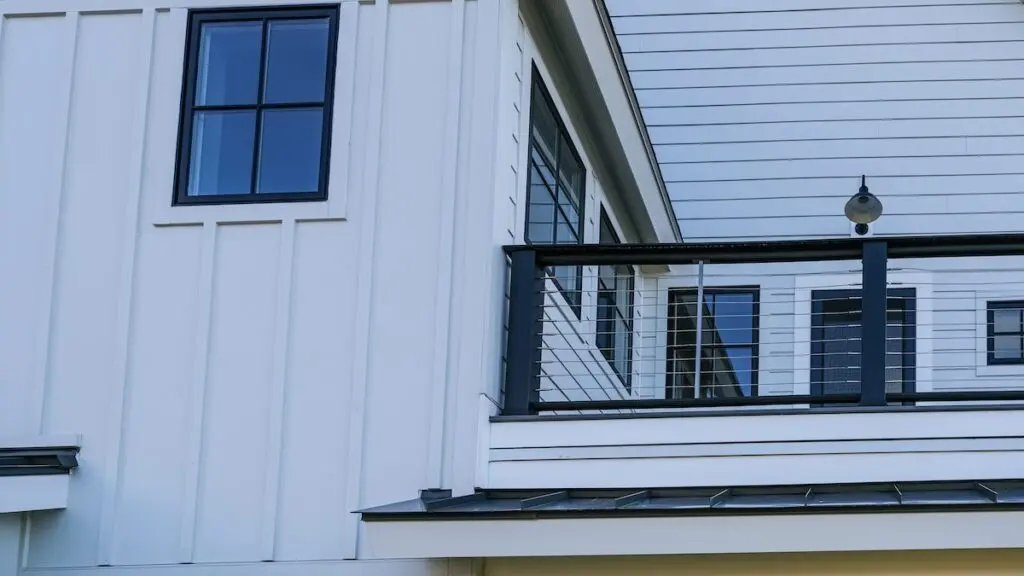
What Is Hardie Panel Vertical Siding?
Hardie Panel is a fiber cement siding product from James Hardie, installed vertically for a sleek, contemporary look. It is made from a blend of cement, sand, and cellulose fibers that produce a strong, weather-resistant surface designed to last for decades.
Key Features of Hardie Panel Siding
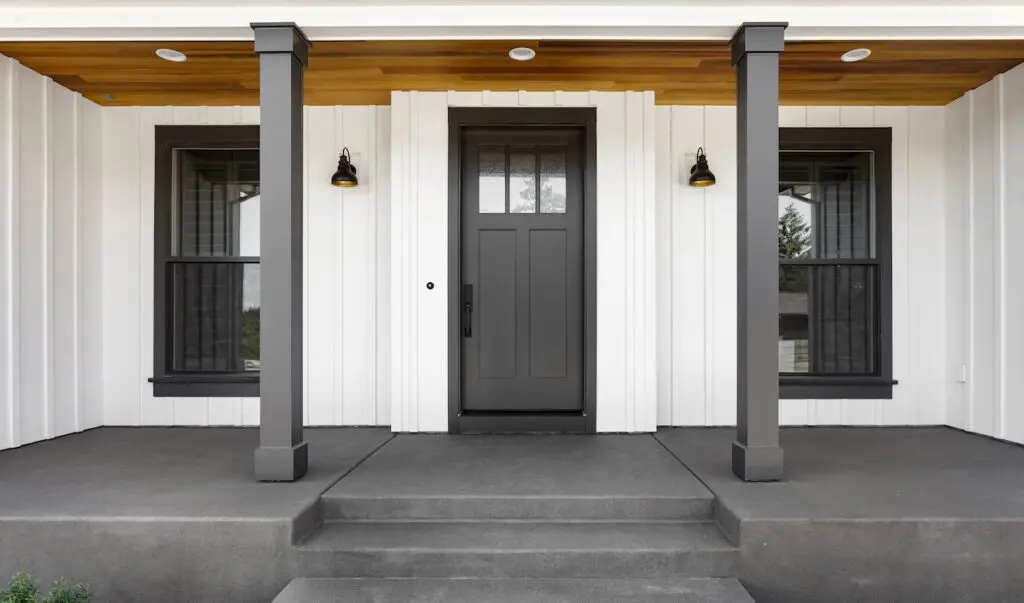
Hardie Panel stands apart from traditional siding through its vertical orientation, fiber cement strength, and resistance to the elements. Unlike horizontal lap siding, the vertical panels create a modern farmhouse or commercial-inspired appearance that many homeowners are drawn to. The material’s composition gives it advantages that wood and vinyl simply cannot match, especially in a climate with variable weather. Its defining features include:
- Vertical orientation: Offers a modern farmhouse or commercial-inspired appearance.
- Fiber cement composition: Provides superior strength compared to vinyl or wood.
- Fire and moisture resistance: Withstands variable weather and is non-combustible.
- Low maintenance: Requires far less upkeep than traditional wood siding.
The Looks: Finishes and Design Options
One of the biggest draws of Hardie Panel is its versatility in appearance, letting homeowners achieve everything from a rustic farmhouse to a clean modern facade. The vertical format alone creates striking, upscale lines, and the finish and color options extend that flexibility further.
Texture and Finish Options
Hardie Panel comes in several textures and finishes that dramatically change a home’s character. Homeowners can choose a smooth panel for a crisp modern look, a Cedarmill wood-grain texture for warmth, or a stucco-style finish for a seamless, upscale surface. Panels are commonly used for full-house coverage, accent walls, or gables, and they pair beautifully with horizontal lap siding or stone veneer. This range makes the product suited to both traditional and contemporary designs.
- Smooth finish: Delivers a crisp, clean, modern appearance.
- Cedarmill texture: Adds wood-grain warmth without real wood’s upkeep.
- Stucco finish: Creates a seamless, upscale stucco-style surface.
- Design flexibility: Works for full walls, accents, gables, and pairings.
Color Options With ColorPlus Technology
Hardie Panel is available in dozens of factory-applied colors through James Hardie’s ColorPlus Technology, a baked-on finish that resists fading and chipping. Because the color is applied in a controlled factory environment rather than in the field, it is more durable and consistent than on-site painting, and it carries its own finish warranty. Homeowners can also choose primed panels for custom field painting if they want a specific color. The factory finish is the most popular route for its durability and low upkeep.
- Dozens of colors: A wide factory palette through ColorPlus Technology.
- Baked-on finish: More durable and consistent than field painting.
- Fade and chip resistant: The finish holds its color for years.
- Primed option: Available unfinished for custom field painting.
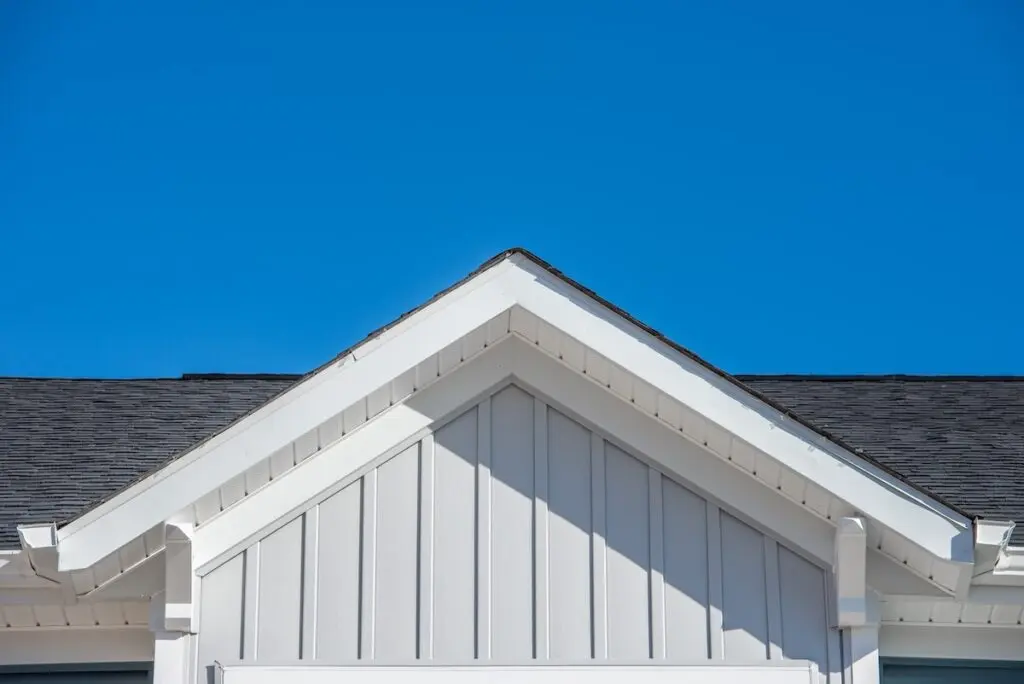
Benefits of Hardie Panel Vertical Siding
James Hardie products are known for exceptional quality, and the Hardie Panel line is no exception. As building standards evolve and weather grows less predictable, the advantages of fiber cement siding become even more relevant.
Long-Term Durability
Hardie Panel vertical siding is engineered to last 40 to 50 years or more with proper care, resisting the rot, cracking, and warping that plague wood and vinyl. Its dense fiber cement construction protects against impact damage and holds up to extreme temperature swings, snow, rain, and high winds. It is also impervious to termites and carpenter ants, which can destroy wood siding. This resilience is a major reason homeowners view it as a long-term investment.
- Weather protection: Holds up against snow, rain, and high winds.
- Pest resistance: Termites and carpenter ants cannot damage fiber cement.
- UV stability: Color stays consistent even after years of sun exposure.
- Impact resistance: Dense construction resists dents and cracks.
Low Maintenance and Fire Resistance
Hardie Panel keeps its appearance with minimal upkeep and adds a meaningful safety benefit through its non-combustible construction. Unlike wood that needs repainting or staining every few years, Hardie Panel holds its color and structure with little more than an annual rinse. Because fiber cement does not burn, it can improve home safety and may even qualify for insurance discounts in some areas. Together, these qualities make it ideal for homeowners who want beauty without constant maintenance.
- No rotting or swelling: Handles moisture without deteriorating.
- Easy cleaning: Rinse with water and mild soap once or twice a year.
- Fire resistant: Non-combustible material improves home safety.
- Possible insurance savings: Fire and impact resistance may lower premiums.
6 Reasons Homeowners Choose Hardie Panel Vertical Siding
Homeowners across Pennsylvania continue to choose Hardie Panel for both aesthetic and performance reasons. The six points below capture why it remains one of the most popular siding investments.
1. Longevity
Hardie Panel’s standout advantage is its lifespan, which reaches 40 to 50 years or more with proper installation and care. That far outlasts vinyl, which typically lasts 20 to 30 years, and wood, which needs frequent upkeep to reach even that. For most homeowners, this means siding the home only once during their ownership. The long lifespan is central to the product’s long-term value.
- Decades of service: Lasts 40 to 50 years or more.
- Outlasts vinyl and wood: Significantly longer than common alternatives.
- Side once: Most owners never need to re-side the home.
- Long-term value: Longevity offsets the higher upfront cost.
2. Durability
Fiber cement construction makes Hardie Panel exceptionally durable against moisture, pests, and temperature extremes. It resists the rot, insect damage, and warping that shorten the life of other materials, and it holds up to impact from hail and debris. This durability translates into fewer repairs and replacements over the life of the siding. It is built for demanding, variable climates.
- Moisture resistant: Will not rot or swell like wood.
- Pest proof: Immune to termites and carpenter ants.
- Impact tough: Resists hail and windblown debris.
- Temperature stable: Handles freeze-thaw cycles well.
3. Low Upkeep
Hardie Panel requires minimal maintenance, needing little more than occasional cleaning and virtually no repainting when finished with ColorPlus. This saves both time and money compared with wood siding, which demands regular staining or painting. An annual rinse and periodic caulk check are usually all it takes. For busy homeowners, that low-maintenance profile is a major selling point.
- Minimal cleaning: An annual rinse keeps it looking fresh.
- No frequent repainting: ColorPlus holds color for years.
- Simple checks: Inspect and refresh caulk as needed.
- Time and cost savings: Far less upkeep than wood.
4. Fire Resistance
Hardie Panel is non-combustible, which improves home safety and sets it apart from wood and vinyl. Fiber cement does not ignite or feed a fire, an important advantage that can also earn insurance discounts in fire-prone areas. This built-in safety benefit adds peace of mind on top of the material’s other strengths. It is a meaningful differentiator for safety-conscious homeowners.
- Non-combustible: Fiber cement does not burn.
- Improved safety: Adds a layer of fire protection to the home.
- Possible discounts: May qualify for insurance savings.
- Peace of mind: Safety benefit beyond aesthetics.
5. Curb Appeal
The clean vertical lines of Hardie Panel create a distinctive, high-end look that boosts curb appeal and resale value. Its modern appearance suits both contemporary and traditional homes, and the range of textures and colors lets homeowners customize the effect. A striking exterior helps a home stand out and make a strong first impression. That visual appeal supports resale value.
- Distinctive lines: Vertical panels create an upscale look.
- Versatile style: Suits contemporary and traditional homes.
- Customizable: Textures and colors tailor the appearance.
- Resale support: Strong curb appeal aids home value.
6. Warranty Coverage
Hardie Panel is backed by strong manufacturer warranties that reflect James Hardie’s confidence in the product. The fiber cement itself carries a 30-year limited, transferable warranty, and the ColorPlus factory finish is covered by a separate 15-year warranty against chipping, peeling, cracking, and fading. This two-part coverage protects both the substrate and the appearance. It gives homeowners lasting confidence in the investment.
- 30-year product warranty: Limited, transferable coverage on the fiber cement.
- 15-year finish warranty: ColorPlus covers chipping, peeling, and fading.
- Transferable: Coverage can pass to a future owner.
- Manufacturer backing: Reflects confidence in long-term performance.
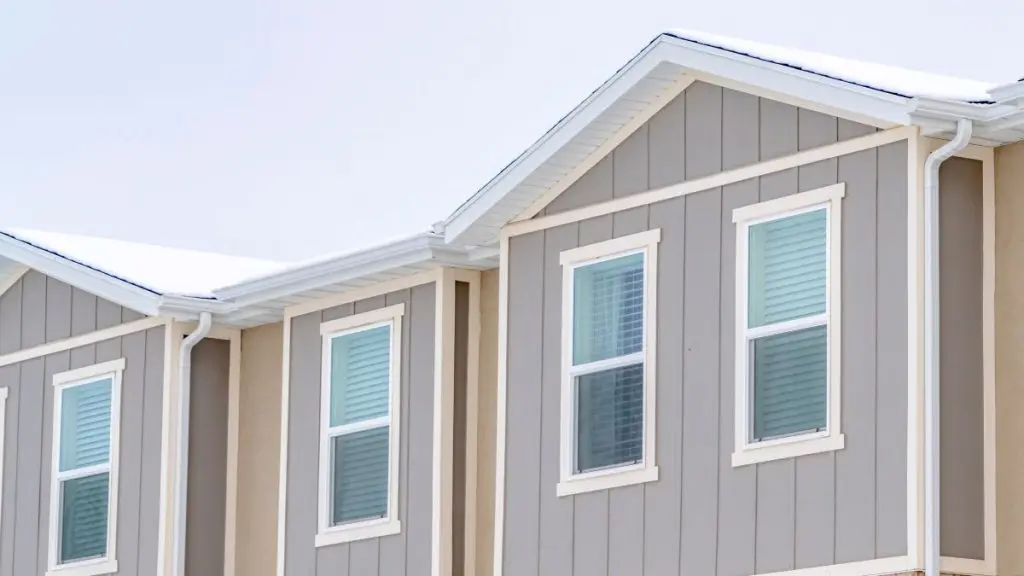
The Costs: What Hardie Panel Siding Costs in 2026
Cost is a central factor in any siding decision, and Hardie Panel sits in the premium tier, roughly double the price of vinyl but with a far longer lifespan. Understanding the ranges and what drives them helps you budget accurately.
James Hardie is the dominant fiber cement brand in North America, backing its products with a 30-year limited transferable product warranty and a 15-year ColorPlus finish warranty. In 2026, HardiePanel vertical siding generally runs about $11 to $15 per square foot installed on the Main Line, with the broader Pennsylvania, New Jersey, and Delaware market spanning roughly $10 to $22 or more depending on contractor and scope. Factory-finished ColorPlus panels typically add $1.50 to $3 per square foot over primed siding. For a full-home re-side, that puts a smaller home in the range of $18,000 to $35,000, a medium home at $28,000 to $55,000, and a large home at $50,000 to $100,000 or more. Several factors shape the final price:
- Finish choice: ColorPlus factory finish costs more upfront but avoids field painting.
- Home size and stories: Larger or multi-story homes raise material and labor costs.
- Old siding removal: Tearing off existing siding adds to the total.
- Trim and complexity: Dormers, arches, and custom trim increase labor.
Comparing Hardie Panel to Other Siding Materials
Comparing Hardie Panel to common alternatives shows where its premium price pays off. The table below weighs lifespan, maintenance, cost, and appearance across the most popular siding materials, and it is worth reading alongside a look at insulated siding as another modern option.
| Siding Type | Average Lifespan | Maintenance Level | Average Cost Range (per sq. ft. installed) | Aesthetic Appeal |
| Hardie Panel (Fiber Cement) | 40 to 50 years | Low | $11 to $18 | Modern and timeless |
| Vinyl Siding | 20 to 30 years | Low to moderate | $4 to $12 | Versatile but less durable |
| Wood Siding | 20 to 35 years | High | $9 to $25 | Natural and traditional |
| Aluminum Siding | 30 to 40 years | Moderate | $8 to $14 | Durable but prone to dents |
Hardie Panel’s blend of longevity and aesthetics keeps it competitive even as new materials enter the market.
The Installation: Why Professional Installation Matters
Installation is where Hardie Panel differs most from easier materials like vinyl, and getting it right is essential to both performance and warranty. Fiber cement is heavy and demanding to install correctly, which is why it is not a realistic do-it-yourself project for most homeowners.
What Proper Hardie Panel Installation Involves
Proper Hardie Panel installation requires trained crews, specialized tools, and strict adherence to James Hardie’s specifications. The panels are heavy enough to require a two-person minimum, and cutting them demands a specialty blade plus dust mitigation to meet safety standards. Correct nailing, gapping, flashing, and a proper water-resistive barrier are all critical, since installation errors can lead to moisture problems and can even void the manufacturer warranty. Because of this, James Hardie maintains a contractor certification program, and using a qualified installer protects both the performance and the coverage of your siding.
- Trained crews: Heavy panels require experienced, multi-person installation.
- Specialized tools: Cutting needs a specialty blade and dust control.
- Precise details: Correct nailing, gapping, and flashing are essential.
- Warranty protection: Improper installation can void the warranty.
Maintenance Tips for Hardie Panel Vertical Siding
To keep your siding looking its best for decades, follow a few simple maintenance practices. Hardie Panel needs far less upkeep than wood, but a little care preserves its appearance and integrity.
Cleaning and Inspection
Routine cleaning and inspection are the core of Hardie Panel maintenance. Rinsing the siding annually removes dirt and grime, while checking caulking and joints prevents water infiltration before it becomes a problem. Using gentle methods protects the factory finish from damage. These small habits keep the siding performing as intended.
- Rinse annually: Use a garden hose or low-pressure washer.
- Avoid harsh cleaners: Use mild soap and a soft brush for tough spots.
- Inspect caulking: Reapply sealant at joints as needed.
- Check drainage: Ensure gutters direct water away from the walls.
Repainting and Refinishing
While ColorPlus finishes are fade-resistant, repainting may eventually be needed after roughly 15 years depending on exposure. When that time comes, using the right products and preparation ensures the new finish adheres and lasts. Keeping vegetation trimmed and maintaining ground clearance also protects the siding over time. Planning for eventual refinishing keeps the home looking its best.
- Use 100% acrylic paint: Formulated for fiber cement surfaces.
- Clean before painting: Remove dust and debris for adhesion.
- Trim vegetation: Keep plants from touching the siding.
- Maintain clearance: Leave space between siding and soil or mulch.
Frequently Asked Questions
How Much Does Hardie Panel Vertical Siding Cost?
HardiePanel vertical siding generally costs $11 to $15 per square foot installed in 2026, with factory-finished ColorPlus adding roughly $1.50 to $3 per square foot. A full-home re-side on the Main Line runs about $18,000 to $35,000 for a smaller home, $28,000 to $55,000 for a medium home, and $50,000 to $100,000 or more for a large home. A detailed quote based on your home gives the most accurate figure.
How Long Does Hardie Panel Siding Last?
Hardie Panel vertical siding lasts 40 to 50 years or more with proper installation and maintenance, far outlasting vinyl and wood. The fiber cement resists rot, pests, and warping over its long life. Professional installation is key to reaching the upper end of that range.
Can I Install Hardie Panel Siding Myself?
Hardie Panel is not a realistic DIY project for most homeowners because the panels are heavy, require a two-person minimum, and need specialty cutting tools and dust control. Improper installation can also void the manufacturer warranty. Hiring a qualified, certified installer protects both performance and coverage.
What Warranty Comes With Hardie Panel Siding?
Hardie Panel carries a 30-year limited, transferable warranty on the fiber cement product and a separate 15-year warranty on the ColorPlus factory finish against chipping, peeling, cracking, and fading. Proper installation is required to keep the coverage valid. This two-part warranty protects both the substrate and the appearance.
Is Hardie Panel Worth the Cost Compared to Vinyl?
For long-term homeowners, Hardie Panel is often worth its roughly double cost versus vinyl because it lasts far longer, resists fire and pests, and boosts resale value. Vinyl is cheaper upfront and may suit short-term ownership or tight budgets. The right choice depends on how long you plan to stay and your priorities.
Does Hardie Panel Siding Need to Be Painted?
Hardie Panel finished with ColorPlus does not need painting for many years, since the baked-on color resists fading and chipping under a 15-year warranty. Primed panels require field painting after installation. Even ColorPlus may need repainting after roughly 15 years depending on sun exposure.
The Future of Home Exteriors Is Fiber Cement
Hardie Panel vertical siding continues to set the standard for strength, sustainability, and design appeal, combining a striking modern look with decades of low-maintenance performance. Its long lifespan, fire resistance, and range of finishes make it one of the smartest investments homeowners can make to protect and enhance their homes, and its value only grows when it is installed correctly by an experienced team. Because proper installation is essential to both performance and warranty, the crew you choose matters as much as the product itself. If you are in Bala Cynwyd or the surrounding areas, contact O’Donnell Roofing Co. today for a free Hardie Panel siding consultation and estimate, and let our experts design and install a siding system that elevates your home for years to come.