

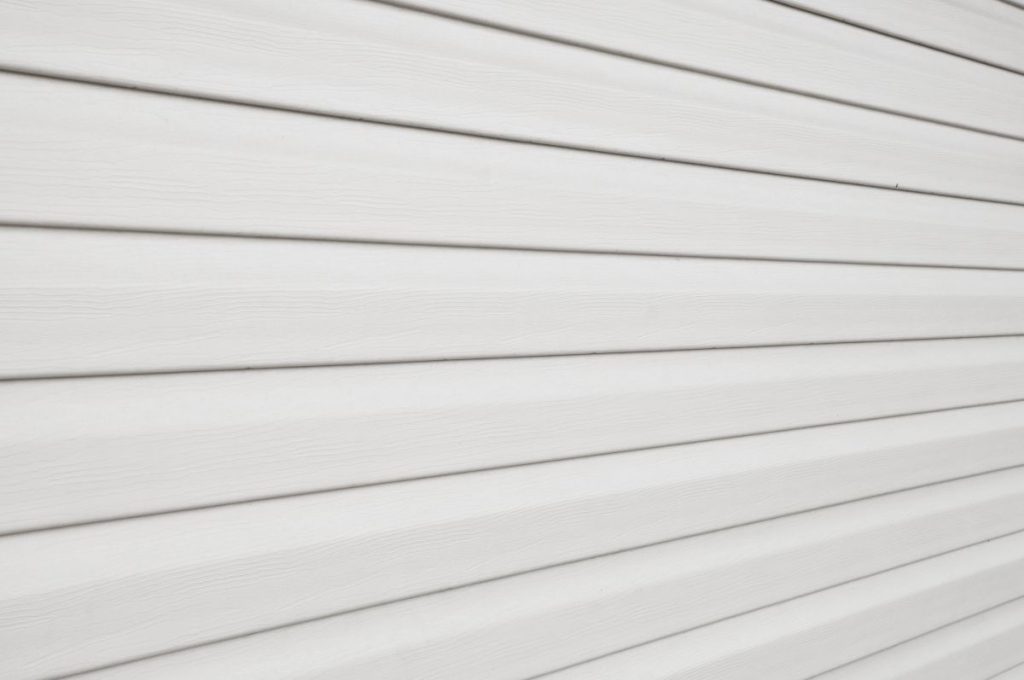
Insulated siding is vinyl cladding with a layer of rigid foam insulation permanently fused to the back of each panel, creating a continuous thermal barrier across your home’s exterior walls. Unlike standard siding, which offers almost no resistance to heat transfer, this foam-backed system wraps the entire wall in insulation and helps close the energy gaps that drive up heating and cooling bills. For homeowners weighing an exterior upgrade, understanding how it works and what it delivers is the first step toward a smart decision. This guide breaks down the definition, the five core benefits, and the real-world energy savings you can expect.
- Continuous coverage: Foam backing wraps the whole wall, stopping the thermal bridging that standard siding allows.
- Measurable savings: Real field studies show meaningful reductions in heating energy and utility costs.
- Added durability: The rigid foam adds impact resistance and helps panels stay straight and true over time.

What Is Insulated Siding and How Does It Work?
Insulated siding is a vinyl cladding product with contoured rigid foam, usually expanded polystyrene, laminated directly to the panel. It works by adding a continuous layer of thermal resistance across the wall, which slows the movement of heat in both directions throughout the year.
What Is Thermal Bridging and Why Does It Matter?
Thermal bridging is the process by which heat escapes through the wood or steel studs in your walls, bypassing the insulation in the cavities between them. Studs make up roughly a quarter of a typical wall’s surface, and because they conduct heat far more readily than the insulation around them, they create invisible energy leaks across the entire exterior. Insulated siding addresses this directly by covering the studs and the cavities alike with one unbroken layer of foam, which reduces those leaks and improves the home’s overall thermal envelope. For homeowners in Wayne and surrounding areas, where winters are cold and summers are humid, closing those gaps makes a real difference in comfort and cost.
- Stud conduction: Wall studs transfer heat far more easily than the insulation between them.
- Surface coverage: Studs account for about 25 percent of the wall, creating widespread leaks.
- Continuous barrier: Foam-backed siding covers the entire wall, including the studs.
- Year-round effect: The barrier slows heat loss in winter and heat gain in summer.
How Does Insulated Siding Compare to Standard Vinyl?
Insulated siding provides substantially more thermal resistance than standard vinyl while looking nearly identical from the curb. Standard vinyl siding carries an R-value of roughly 0.6, offering very little insulation on its own, whereas insulated vinyl typically adds an additional R-2 to R-4 of thermal resistance to the wall. Beyond the energy difference, the foam backing sits flush against the home rather than leaving a void, which gives the panels added rigidity and a smoother, more uniform appearance. That structural support also helps the siding resist the cracking and warping that standard vinyl can develop over time.
- R-value gap: Standard vinyl sits near R-0.6, while insulated vinyl adds roughly R-2 to R-4.
- Flush installation: Foam fills the void behind the panel for a straighter, smoother look.
- Added rigidity: The backing stiffens panels, reducing flex and impact damage.
- Similar appearance: The upgrade is barely visible from the street despite the performance gain.
5 Key Benefits of Insulated Siding
Insulated siding delivers advantages that reach well beyond energy efficiency. The five benefits below cover the reasons homeowners most often choose this upgrade over standard siding.
1. How Does Insulated Siding Lower Energy Bills?
Insulated siding lowers energy bills by reducing the heat that escapes through walls in winter and enters in summer, easing the workload on your heating and cooling systems. With a continuous foam barrier slowing heat transfer, your furnace runs less often during cold months and your air conditioner cycles less during hot ones, which translates directly into lower monthly utility costs. The savings are most pronounced in homes with older or minimal wall insulation, where the added thermal resistance closes the largest gaps. While exact results vary by climate and existing insulation, the reduction in conditioning demand is consistent and measurable.
- Reduced heat loss: Less warmth escapes through walls during winter months.
- Lower cooling load: The barrier limits summer heat gain, easing air conditioner use.
- Greater impact on older homes: Homes with minimal insulation see the biggest improvement.
- Steady monthly savings: Lower conditioning demand shows up on utility bills year-round.
2. Why Does Insulated Siding Improve Comfort?
Insulated siding improves indoor comfort by reducing drafts and evening out temperatures across rooms that once felt cold or uneven. Homeowners frequently report that previously chilly or drafty areas feel noticeably warmer after the upgrade, because the foam layer reduces air infiltration and stabilizes the wall’s surface temperature. Fewer cold spots near exterior walls mean rooms hold a more consistent temperature, which reduces the urge to constantly adjust the thermostat. This comfort improvement is one of the most immediate and tangible benefits, often noticed in the first heating season after installation.
- Fewer drafts: Reduced air infiltration eliminates many cold spots near walls.
- Even temperatures: Rooms hold a more consistent feel from one space to the next.
- Stable surfaces: Wall surface temperatures stay closer to room temperature.
- Immediate effect: Many homeowners notice the difference in the first season.
3. What Makes Insulated Siding More Durable?
Insulated siding is more durable than standard vinyl because the rigid foam backing acts as a shock absorber and structural support behind each panel. Standard vinyl can become brittle in cold weather and crack on impact from hail or windblown debris, since it leaves an empty space between the panel and the wall. The foam core fills that void, cushioning impacts and helping the siding resist denting, cracking, and warping over its lifespan. This added resilience means fewer repairs and a longer service life, which strengthens the long-term value of the investment for homeowners in Wayne and surrounding areas.
- Impact cushioning: Foam absorbs blows from hail and debris that crack standard vinyl.
- Cold-weather resilience: The backing reduces the brittleness vinyl shows in freezing temperatures.
- Resistance to warping: Rigid support helps panels stay flat and straight over time.
- Longer lifespan: Greater durability translates to fewer repairs and replacements.
4. How Does Insulated Siding Reduce Outside Noise?
Insulated siding reduces outside noise by adding a dense foam layer that dampens sound waves before they reach the interior of the home. The same thermal barrier that slows heat transfer also absorbs and deflects exterior sound, softening the intrusion of traffic, lawn equipment, barking dogs, and other neighborhood noise. While it will not soundproof a home completely, the added mass and insulation noticeably lower the volume of outdoor sounds compared to standard siding. For homes on busy streets or near commercial areas, this quieter interior is a welcome and often unexpected benefit of the upgrade.
- Sound dampening: The foam layer absorbs and deflects exterior noise.
- Quieter interior: Traffic and neighborhood sounds are noticeably softened.
- Added mass: Denser walls block more sound than thin standard panels.
- Bonus benefit: Noise reduction comes alongside the thermal improvements.
5. Why Does Insulated Siding Boost Resale Value?
Insulated siding boosts resale value by offering buyers a package of energy efficiency, durability, and curb appeal in a single low-maintenance upgrade. Prospective buyers increasingly look for homes with lower operating costs, and an energy-efficient exterior signals reduced utility bills and fewer future repairs. The fresh, uniform appearance of new siding also strengthens first impressions, while the durability assures buyers they will not face replacement costs soon. Because the upgrade addresses efficiency, protection, and aesthetics at once, homeowners typically recoup a meaningful share of the cost when they sell.
- Buyer appeal: Energy-efficient features attract cost-conscious buyers.
- Lower operating costs: Reduced utility bills are a selling point at resale.
- Curb appeal: Fresh, uniform siding strengthens first impressions.
- Cost recovery: Owners recoup a meaningful portion of the investment at sale.
When it comes to hard numbers, government research provides the clearest picture of what insulated siding delivers. In a U.S. Department of Energy field study, a 1960s cold-climate home retrofitted with R-2.7 insulated siding achieved an 8 percent reduction in heating energy use along with a 9.5 percent improvement in airtightness, for projected energy cost savings of about $170 per year. Results like these show why the upgrade pays off most in older homes and colder regions.
Frequently Asked Questions
How Much Does Insulated Siding Cost?
Insulated siding generally costs 40 to 100 percent more than standard vinyl siding, depending on the product grade, color, and style. The added expense comes from both the foam-backed material and the more involved installation. Most homeowners view the higher upfront cost as an investment recovered through energy savings and durability over time.
How Much Can I Save on Energy Bills?
Savings vary by climate and existing insulation, but field research has documented heating energy reductions of around 8 percent in cold-climate homes. Many homeowners see total heating and cooling savings in the range of 10 to 15 percent. Homes with older or minimal wall insulation tend to see the largest gains.
Is Insulated Siding Worth It in Pennsylvania’s Climate?
Insulated siding is often a strong value in Pennsylvania because the state experiences cold winters, humid summers, and significant temperature swings. The continuous insulation helps in both heating and cooling seasons without the higher cost of specialty siding systems. Homes with older wall insulation typically benefit the most.
Can Insulated Siding Qualify for a Tax Credit?
Insulated siding may qualify for a federal energy-efficiency tax credit when it meets the requirements for an insulation upgrade, particularly for Energy Star rated products. The credit can cover a portion of material costs up to annual limits. Always consult a tax professional to confirm eligibility before claiming any incentive.
Does Insulated Siding Require Special Installation?
Yes, insulated siding requires more skill to install correctly because the thicker panels must allow for expansion and fit tightly together to prevent buckling. Improper installation can lead to warping or gaps that undermine performance. Hiring a contractor experienced with foam-backed siding is essential for lasting results.
How Long Does Insulated Siding Last?
Insulated siding typically lasts longer than standard vinyl, often several decades, thanks to the structural support of the foam backing. The cushioning reduces cracking and warping that shorten the life of standard panels. Proper installation and minimal routine care help maximize its lifespan.

Why Wayne Homeowners Choose O’Donnell Roofing Co. for Insulated Siding
Deciding on insulated siding is about protecting your home, lowering your bills, and improving everyday comfort, and O’Donnell Roofing Co. brings the experience to get it right. As a licensed, insured, and locally rooted company serving Wayne and surrounding areas, we help homeowners weigh products, R-values, and installation details so the foam-backed system performs exactly as intended for decades to come. Because insulated siding demands precise installation to prevent buckling and to deliver its full energy savings, the skill of your contractor matters as much as the product itself. When you are ready to explore whether insulated siding is the right upgrade for your home, reach out to O’Donnell Roofing Co. for expert guidance and a clear, detailed estimate you can trust.