

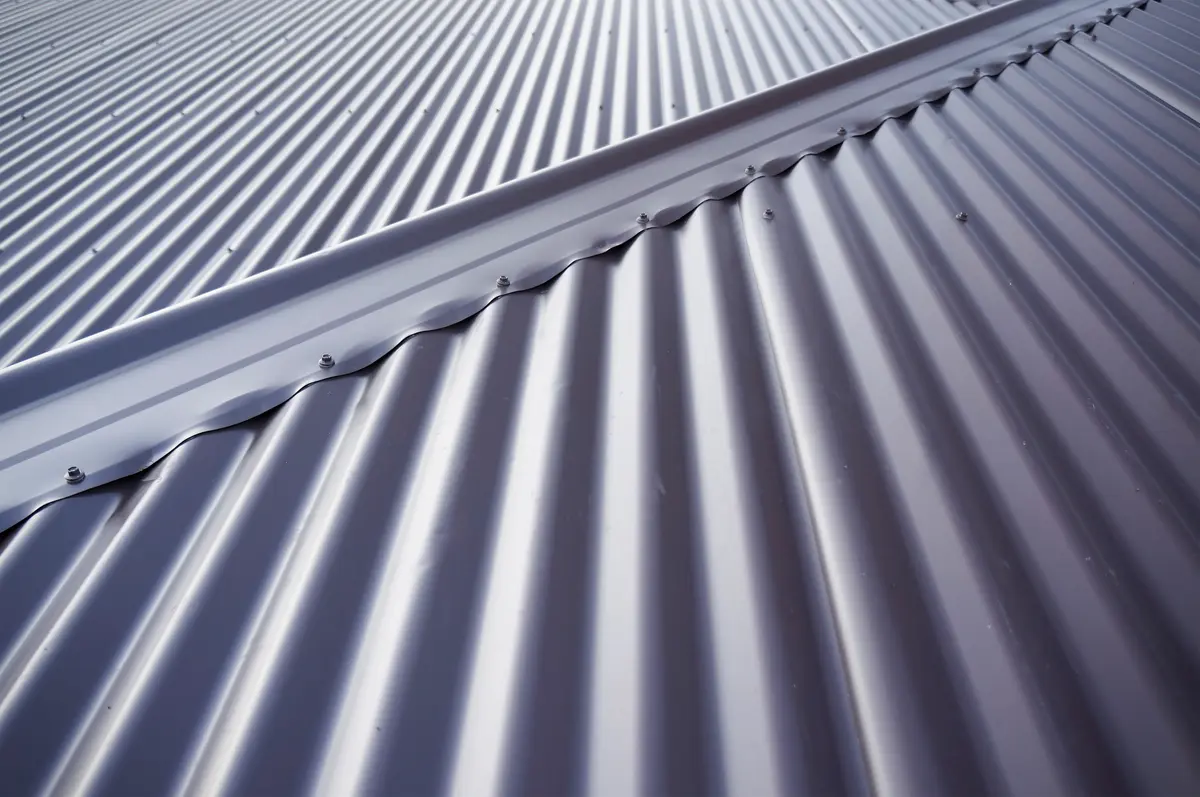
Corrugated metal roofing stands out among roofing materials for its durability, affordability, and distinctive look, making it a compelling choice whether you are building new or looking to replace an old roof. Defined by its wave-like ridges and grooves, corrugated metal combines real strength with one of the lower price points in the metal roofing category. Before you decide, it helps to understand what it costs in Pennsylvania, how long it lasts, and the trade-offs involved. Here is what you will learn:
- Costs and lifespan: What corrugated metal roofing costs in PA and how long it lasts.
- Pros and cons: The real advantages and drawbacks to weigh.
- Types and care: The metals available and how to maintain them.
This guide helps homeowners in Newtown Square and surrounding areas decide whether corrugated metal roofing is the right fit.
What Is Corrugated Metal Roofing?
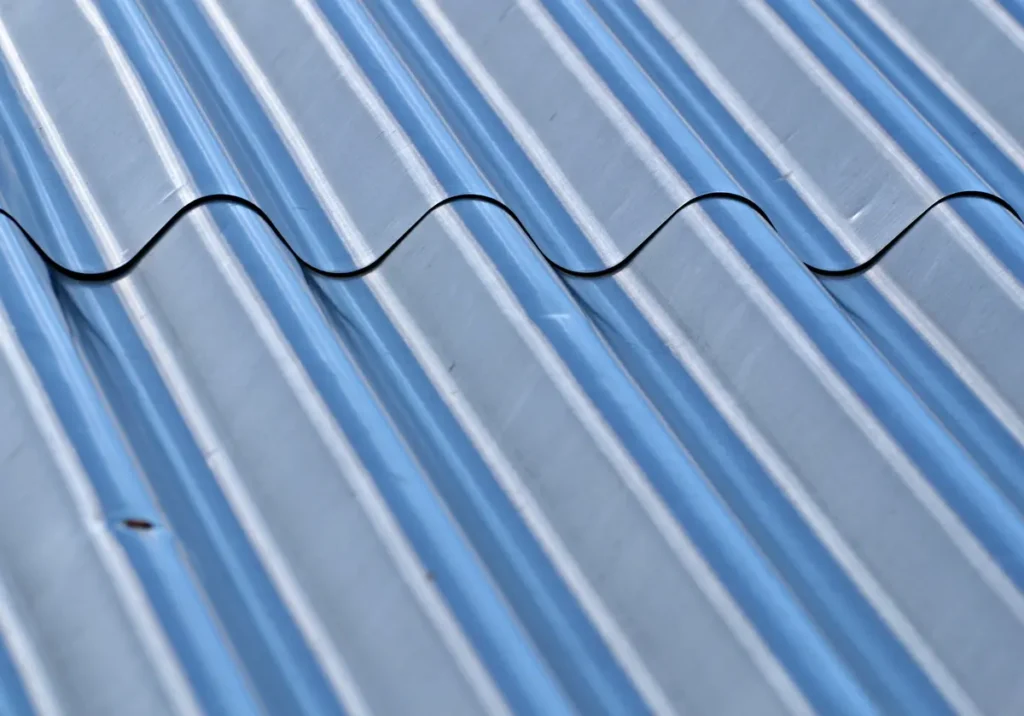
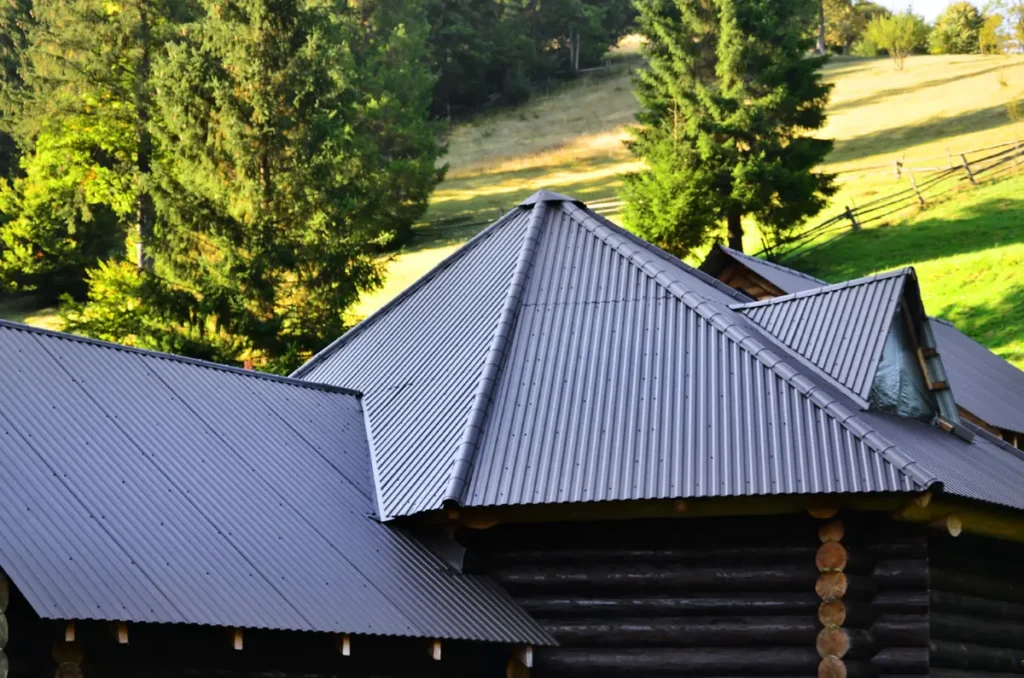
Corrugated metal roofing consists of metal sheets shaped into a repeating pattern of ridges and grooves. The term “corrugated” refers to that wave-like pattern, which gives the material added strength and rigidity. Common metals used include steel, aluminum, and copper, and the panels attach with exposed fasteners driven through the face of the metal.
The Types of Corrugated Metal Roofing
Corrugated panels come in several metal options, each with a different balance of cost, durability, and appearance. Choosing the right metal depends on your budget, climate, and the look you want. The main types include:
- Galvanized steel: Steel coated with zinc to prevent rust; highly durable and cost-effective, though it can rust if the coating is damaged.
- Aluminum: Lightweight and naturally corrosion-resistant, easy to install, but more expensive than steel.
- Copper: A premium, extremely durable option that develops a patina over time, at a much higher cost.
- Zinc: Long-lasting, low-maintenance, and self-healing against scratches, with a high initial cost.
How Much Does Corrugated Metal Roofing Cost in Pennsylvania?
Cost is one of corrugated metal’s biggest draws, since it is typically the most budget-friendly metal roofing option. It helps to look at Pennsylvania figures, which tend to run above national averages, rather than national numbers alone.
In the Philadelphia area, metal roofing generally runs about $6 to $12 per square foot installed, with corrugated panels sitting at the more affordable end of that range because the thinner panels install faster than standing seam. For a typical home, a full metal roofing project in the Philadelphia area commonly falls in the range of roughly $10,000 to $13,000, though corrugated specifically can come in lower depending on the metal thickness, finish, and your roof’s complexity. While corrugated costs more upfront than asphalt shingles, its longevity and low maintenance help offset the difference over time. Several factors shape the final price:
- Metal type and gauge: Thicker, premium metals like copper cost more than basic steel.
- Roof size and complexity: Larger or more intricate roofs need more material and labor.
- Finish and coating: Premium paint and reflective finishes add cost.
- Tear-off and location: Removing an old roof and local labor rates affect the total.
How Long Does Corrugated Metal Roofing Last?
Longevity is a major reason homeowners choose metal, and corrugated roofing delivers a long service life when properly installed and maintained. Its lifespan depends on the metal type, the fasteners, and upkeep.
What Affects a Corrugated Metal Roof’s Lifespan?
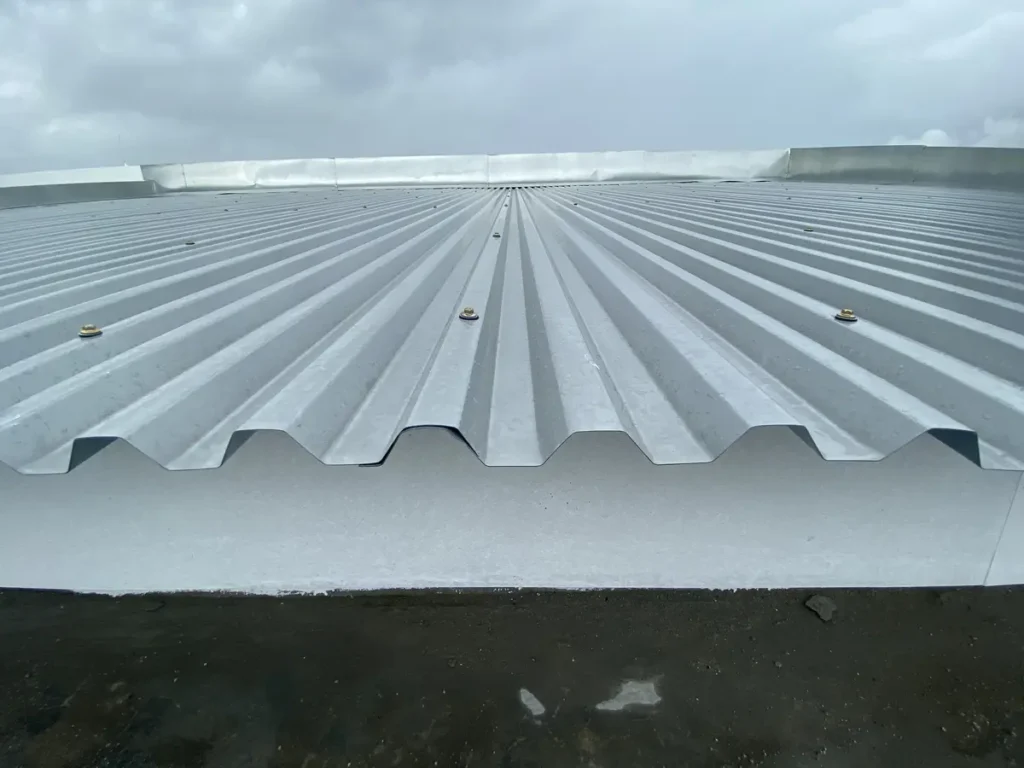
A corrugated metal roof generally lasts around 30 to 50 years, and premium metals like copper and zinc can last considerably longer, though corrugated systems often need a bit more attention than standing seam because their fasteners are exposed. The neoprene washers on those exposed screws wear over time and typically need to be checked and occasionally replaced to keep the roof watertight, which is a key part of reaching the upper end of the lifespan. Metal type matters too, as galvanized and galvalume steel resist corrosion well, while copper and zinc can last 70 years or more. Quality installation and routine maintenance are what allow any corrugated roof to reach its full potential. Key factors include:
- Metal type: Steel lasts 30 to 50 years; copper and zinc can exceed 70.
- Exposed fasteners: Screw washers need periodic checking and replacement.
- Installation quality: Proper installation is essential to a long lifespan.
- Maintenance: Routine inspections and upkeep extend the roof’s life.
5 Advantages of Corrugated Metal Roofing
Corrugated metal roofing offers a range of benefits that make it a smart long-term investment for many homes. The five advantages below are the ones homeowners value most.
1. Durability
Corrugated metal roofs are known for standing up to severe weather that would damage other materials. Unlike asphalt shingles, metal can withstand heavy rain, snow, and high winds, and with proper maintenance a corrugated metal roof can last for decades. This resilience is especially valuable in Pennsylvania, where roofs face everything from summer storms to winter snow and freeze-thaw cycles. The corrugated pattern itself adds structural strength to the panels.
- Weather resistance: Handles heavy rain, snow, and high winds.
- Long service life: Lasts decades with proper care.
- Added strength: The corrugated pattern reinforces the panels.
- PA-ready: Well-suited to the region’s varied weather.
2. Energy Efficiency
Corrugated metal roofing reflects solar radiant heat rather than absorbing it, which can lower cooling costs during warm months. According to the U.S. Department of Energy, reflective “cool” roofs can reduce cooling energy use by roughly 10 to 20 percent in hot, sunny conditions, and many metal roofs can be finished with special reflective coatings that enhance this effect. This efficiency adds a practical, ongoing benefit on top of the roof’s durability. Combined with its long life, that energy performance strengthens the long-term value case.
- Reflects heat: Sheds solar radiant heat rather than absorbing it.
- Lower cooling costs: Reflective roofs can cut cooling energy use noticeably.
- Reflective coatings: Special finishes further boost efficiency.
- Added value: Efficiency complements the roof’s longevity.
3. Low Maintenance
Corrugated metal roofs require relatively little upkeep compared with many other materials. They resist mold, mildew, and insect infestations, and periodic inspections plus occasional cleaning are usually enough to keep them in good shape. The main maintenance task specific to corrugated roofs is checking the exposed fasteners over time. Overall, the low-maintenance nature saves both time and money across the roof’s life.
- Resists growth: Immune to mold, mildew, and insects.
- Simple upkeep: Inspections and occasional cleaning usually suffice.
- Fastener checks: Exposed screws should be inspected periodically.
- Long-term savings: Low maintenance reduces lifetime costs.
4. Aesthetic Appeal
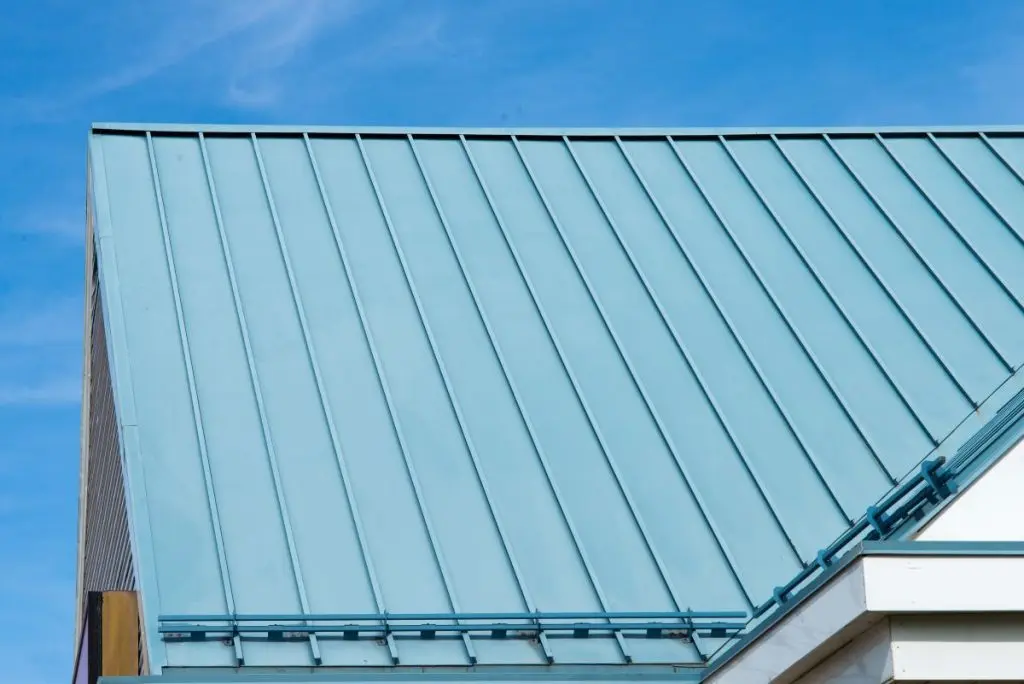
Modern corrugated metal roofing comes in a wide range of colors and finishes to suit different architectural styles. Whether you want a rustic, farmhouse look or a sleek, contemporary appearance, there is a corrugated option to match, and pairing it with the right color can significantly boost curb appeal. For homeowners exploring metal color options, a shade like burnished slate shows how versatile metal roofing can be. This flexibility makes corrugated metal a strong choice for both traditional and modern homes.
- Color variety: Available in many colors and finishes.
- Style range: Suits rustic, farmhouse, and modern looks alike.
- Curb appeal: The right finish enhances a home’s exterior.
- Versatile fit: Works with traditional and contemporary architecture.
5. Cost-Effectiveness
While corrugated metal costs more upfront than asphalt shingles, its longevity and low maintenance make it cost-effective over time. Because it lasts decades and rarely needs major repairs, it can be more economical than materials that require frequent replacement. Many homeowners also find that energy savings and a potential increase in property value help offset the initial investment. For those planning to stay in their home long term, the math often favors metal.
- Long-term value: Longevity offsets the higher upfront cost.
- Fewer replacements: Decades of service reduce lifetime spending.
- Energy savings: Reflective performance trims utility costs.
- Resale potential: Metal roofing can boost property value.
What Are the Disadvantages of Corrugated Metal Roofing?
No roofing material is perfect, and corrugated metal has a few drawbacks worth weighing before you commit. Understanding them helps you plan around them.
Key Drawbacks to Consider
The main disadvantages of corrugated metal roofing are noise, the potential for denting, and a higher upfront cost. Rain and hail can be louder on metal, though proper insulation and underlayment greatly reduce this, and the panels can dent from hail or falling branches, which choosing a thicker gauge helps prevent. The upfront cost is also higher than asphalt shingles, even if the long-term value is strong. Because corrugated systems use exposed fasteners, those fasteners also require periodic attention. Keep these in mind:
- Noise: Rain and hail can be louder without proper insulation.
- Denting: Hail or debris can dent panels; thicker gauge helps.
- Upfront cost: Higher initial cost than asphalt shingles.
- Exposed fasteners: Screws and washers need periodic maintenance.
How Is Corrugated Metal Roofing Installed?
Installing corrugated metal roofing is a job best left to professionals, but understanding the process helps you know what to expect. Proper installation is essential to a watertight, long-lasting roof.
The Installation Process
A professional corrugated metal installation follows a clear sequence from preparation through sealing. The crew removes the old roofing, inspects and repairs the deck, and installs a quality underlayment rated for metal roofing, then measures and cuts the panels to fit. Panels are installed from the bottom edge up, overlapped to ensure proper water runoff, and secured with fasteners placed for a watertight seal. The job finishes with ridge caps, closure strips, and sealant at exposed fasteners. Correct underlayment and detailing are especially important on a metal roof.
- Prepare the deck: Remove old roofing, repair the deck, and add underlayment.
- Measure and cut: Panels are cut to fit the roof precisely.
- Install panels: Work bottom to top, overlapping for water runoff.
- Finish and seal: Add ridge caps, closure strips, and seal fasteners.
How Do You Maintain a Corrugated Metal Roof?
Though corrugated metal roofs are low maintenance, a little routine care extends their lifespan and keeps them watertight. A simple seasonal routine protects your investment.
- Regular inspections: Check twice a year for loose screws, rust spots, and damage, especially around chimneys, skylights, and vents.
- Cleaning: Remove leaves and debris with a soft-bristle broom or leaf blower to prevent moisture buildup.
- Rust prevention: Treat any rust spots with a wire brush, rust-inhibiting primer, and touch-up paint.
- Gutter maintenance: Keep gutters and downspouts clear so water drains properly off the roof.
How Does Corrugated Metal Compare to Other Roofing Materials?
Switching to metal from another material is a big decision, so it helps to see how corrugated metal stacks up. The comparisons below highlight the key differences.
- Vs. asphalt shingles: Metal lasts much longer and needs less maintenance, though shingles are cheaper upfront.
- Vs. clay tiles: Both are durable, but clay tiles break more easily and cost more; metal is lighter.
- Vs. wood shakes: Metal is more durable and fire-resistant, while wood shakes need regular treatment and cost more over time.
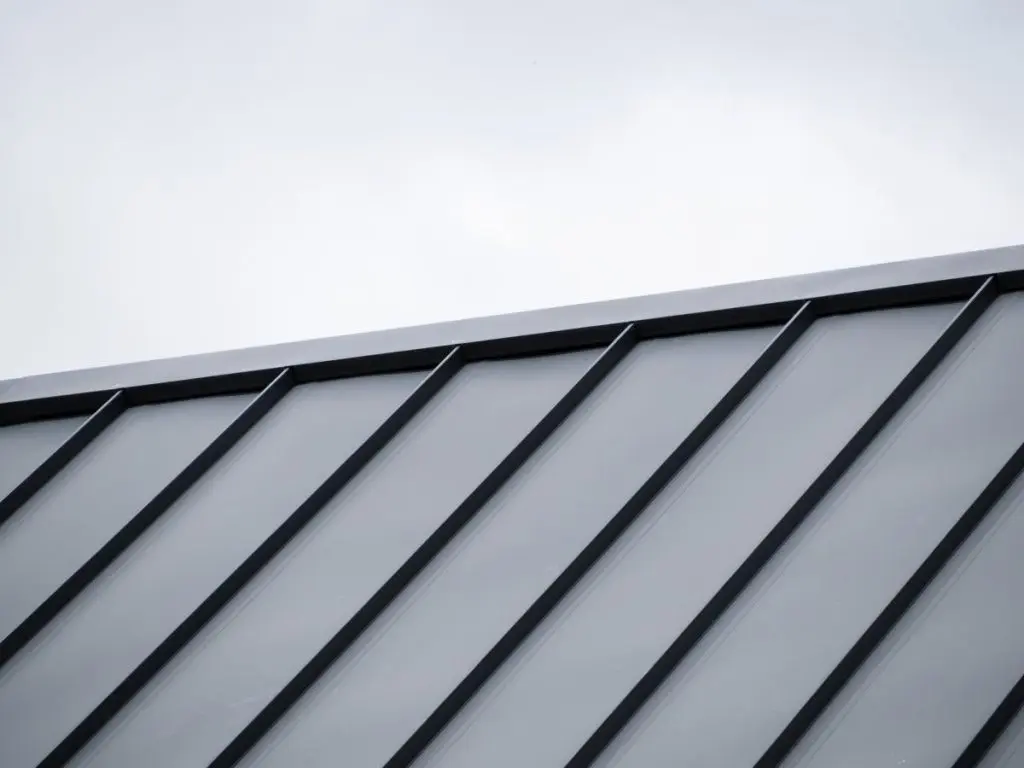
- Vs. standing seam metal: Standing seam is the superior, premium choice, with concealed fasteners, a sleeker look, and a longer, lower-maintenance lifespan, while corrugated is the more budget-friendly option that relies on exposed fasteners.
Should You Choose Corrugated or Standing Seam Metal?
For homeowners who can invest a bit more, standing seam metal is the superior long-term choice, and it is the option we most often recommend. Standing seam conceals its fasteners beneath raised, interlocking seams, which removes the exposed screws and neoprene washers that are the most common weak point and maintenance item on a corrugated roof. That concealed-fastener design means fewer potential leak points, less upkeep over the decades, and typically a longer service life, along with a cleaner, more modern appearance that many homeowners prefer. Corrugated metal remains an excellent, cost-effective way to get the durability of metal on a tighter budget, but if longevity, low maintenance, and premium looks are your priorities, standing seam is the better investment. A professional can help you weigh the upfront cost against the long-term advantages for your home.
- Fewer leak points: Concealed fasteners remove the exposed screws corrugated relies on.
- Lower maintenance: No exposed washers to inspect and replace over time.
- Longer lifespan: Standing seam typically outlasts corrugated systems.
- Premium appearance: Sleek, modern seams elevate curb appeal.
Is Corrugated Metal Roofing Eco-Friendly?
Corrugated metal roofing is one of the more environmentally friendly roofing options, which adds to its appeal for many homeowners. Its green credentials come from a few key qualities.
- Recyclable: Metal roofs are made from recyclable material and can be recycled at end of life.
- Energy efficient: Reflective properties reduce cooling energy use in summer.
- Long lifespan: Fewer replacements mean less manufacturing and waste over time.
- Sustainable choice: A durable, recyclable option that reduces landfill impact.
Frequently Asked Questions
How Much Does Corrugated Metal Roofing Cost in Pennsylvania?
In the Philadelphia area, metal roofing generally costs about $6 to $12 per square foot installed, with corrugated panels at the more affordable end because they install faster than standing seam. A typical metal roofing project in the area often runs around $10,000 to $13,000. Corrugated specifically can come in lower depending on metal thickness and roof complexity.
How Long Does a Corrugated Metal Roof Last?
A corrugated metal roof typically lasts about 30 to 50 years, with premium metals like copper and zinc lasting 70 years or more. Because corrugated systems use exposed fasteners, the screw washers need periodic checking to reach the upper end of that range. Quality installation and routine maintenance are key to longevity.
Is Corrugated Metal Roofing Cheaper Than Standing Seam?
Yes, corrugated metal is generally more affordable than standing seam because the panels are thinner and install faster using exposed fasteners. Standing seam, however, is widely considered the superior system: it conceals its fasteners, resists leaks better, needs less maintenance, and typically lasts longer, which is why it commands a higher price. For homeowners focused on long-term value and premium looks, standing seam is often the better investment, while corrugated remains a strong budget-friendly option.
Is Corrugated Metal Roofing Noisy in the Rain?
Corrugated metal can be louder than other materials during rain or hail, but proper underlayment and attic insulation greatly reduce the noise. Most homeowners with a well-installed, insulated metal roof find the sound is not a problem. The concern is often overstated for modern installations.
Does a Corrugated Metal Roof Rust?
Galvanized and galvalume steel panels are coated to resist rust, but rust can develop if the coating is scratched or damaged, so periodic inspection matters. Aluminum, copper, and zinc are naturally corrosion-resistant. Treating any rust spots promptly keeps the roof in good condition.
Is Corrugated Metal Roofing Good for Pennsylvania Homes?
Yes, corrugated metal performs well in Pennsylvania, standing up to heavy snow, rain, and wind while shedding snow efficiently. Proper underlayment and installation address noise and help manage the region’s freeze-thaw cycles. It is a durable, cost-effective choice for many local homes.
Your Metal Roofing Experts at O’Donnell Roofing Co.
Corrugated metal roofing offers a durable, cost-effective, and attractive option for homeowners, with a long lifespan, energy efficiency, and low maintenance that make it a smart investment. With the right installation and upkeep, it can protect and enhance your home for decades throughout Newtown Square and surrounding areas. At O’Donnell Roofing Co., we bring a century of local experience to every metal roofing project, helping you choose the right metal, gauge, and finish for your home and Pennsylvania’s climate. Ready to take the next step? Consult with O’Donnell Roofing today to determine if corrugated metal roofing is the right choice for your home.