

A roof vent cap is a small but crucial component that keeps your roof and attic ventilated, helping to prevent moisture buildup that can damage your home over time. While it is easy to overlook, this piece plays a major role in keeping your home safe, energy-efficient, and comfortable by protecting the openings where air exits your roof. This guide covers the basics: what a vent cap does, the main types available, what replacement costs, and the signs it is time to replace yours. Here is what you will learn:
- The types: The six main roof vent cap styles and which suits your home.
- The costs: What roof vent caps and their replacement cost in 2026.
- When to replace: The warning signs that mean it is time for a new cap.
Protecting the integrity and lifespan of your roof starts with the details, and the vent cap is one worth understanding for homes in Lower Merion and surrounding areas.
What Does a Roof Vent Cap Do?
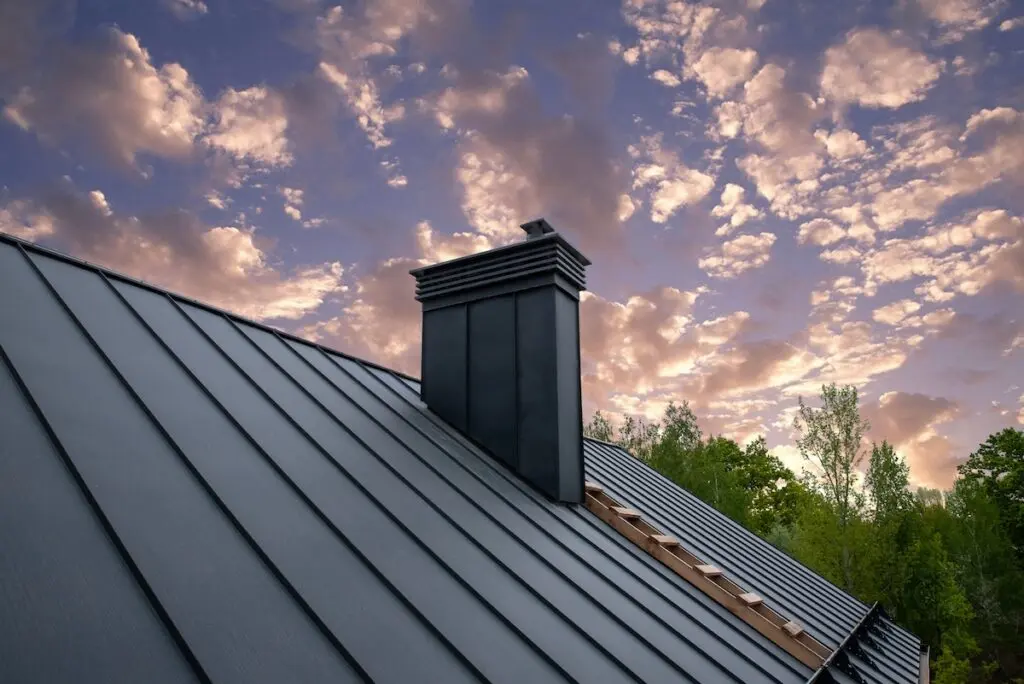
A roof vent cap covers the opening of a roof vent, allowing air to escape while keeping out water, debris, and pests. It is a key part of your home’s ventilation system, which regulates airflow and protects your attic.
Why Is Roof Ventilation So Important?
Roof ventilation is essential because it regulates the heat and moisture that would otherwise damage your attic, insulation, and roofing materials. When warm indoor air meets the cooler attic, condensation forms, and without proper venting that moisture leads to mold and rot, while trapped summer heat drives up cooling costs and prematurely ages shingles. Building codes reflect how important this is: the National Roofing Contractors Association and the International Residential Code call for at least 1 square foot of net free ventilating area for every 150 square feet of attic floor space. A vent cap protects the exhaust points that make this airflow possible.
- Prevents moisture damage: Stops condensation that causes mold and rot.
- Reduces energy costs: Releases attic heat so your HVAC works less in summer.
- Extends roof lifespan: Managing heat and moisture protects roofing and insulation.
- Blocks debris and wildlife: The cap keeps birds, pests, and debris out of the vent.
6 Types of Roof Vent Caps
Roof vent caps come in several styles and materials to suit different roofs and ventilation needs. Understanding the main types helps you choose the right one for your home.
1. Static (Box) Vent Cap
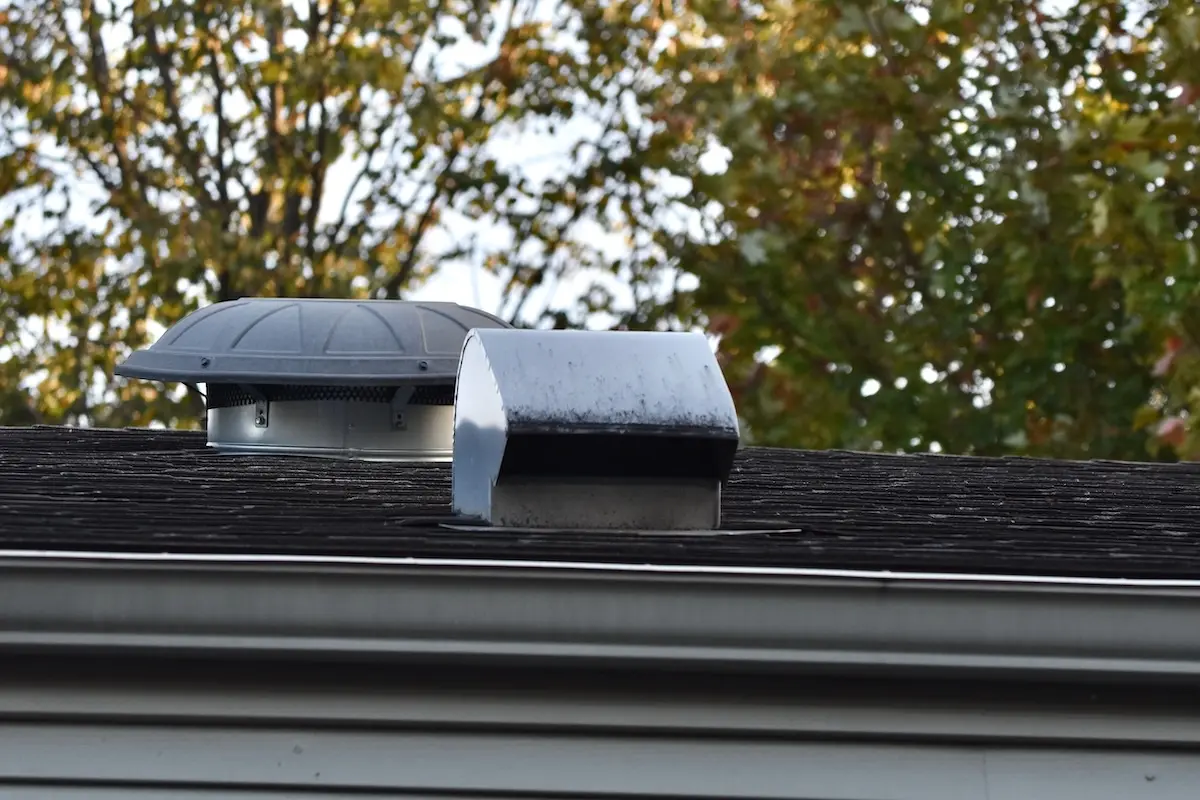
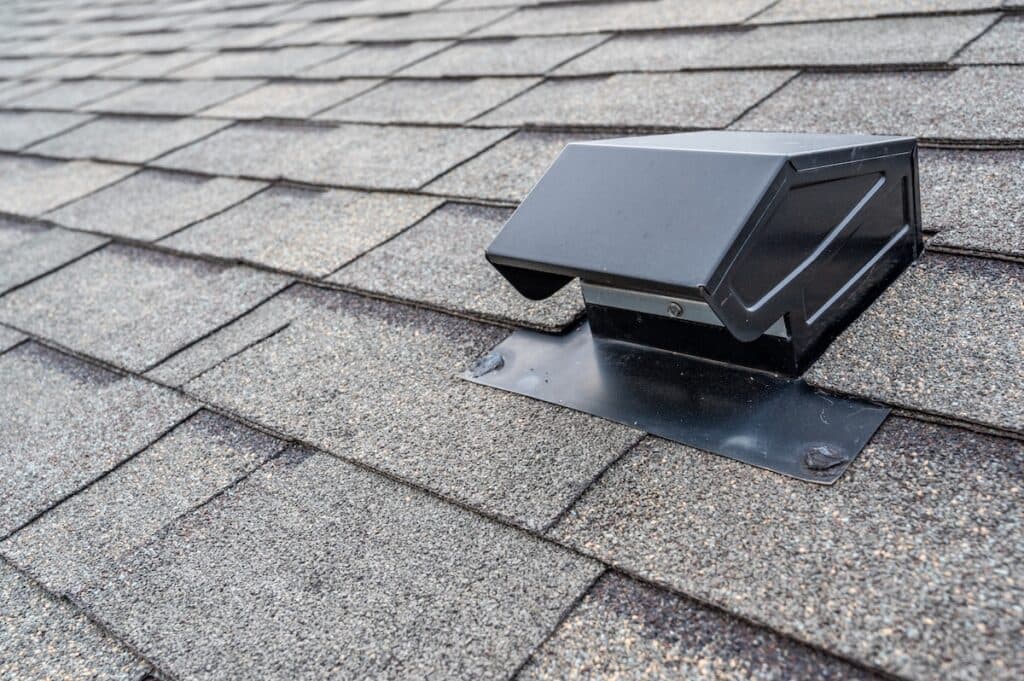
A static vent cap, often called a box vent or turtle vent, is a simple, passive cover with no moving parts. It sits over a cut opening in the roof and lets hot, moist air escape through natural convection, making it one of the most common and affordable options. Because they have no motor or moving components, static caps are reliable and low-maintenance, though a home often needs several to ventilate an attic adequately. They work on nearly any roof type and are a dependable choice for standard residential ventilation.
- Passive design: No moving parts means low maintenance and long reliability.
- Affordable: One of the most budget-friendly vent cap options.
- Widely compatible: Works on most residential roof types.
- Multiple needed: Several may be required to vent a full attic.
2. Turbine (Whirlybird) Vent Cap
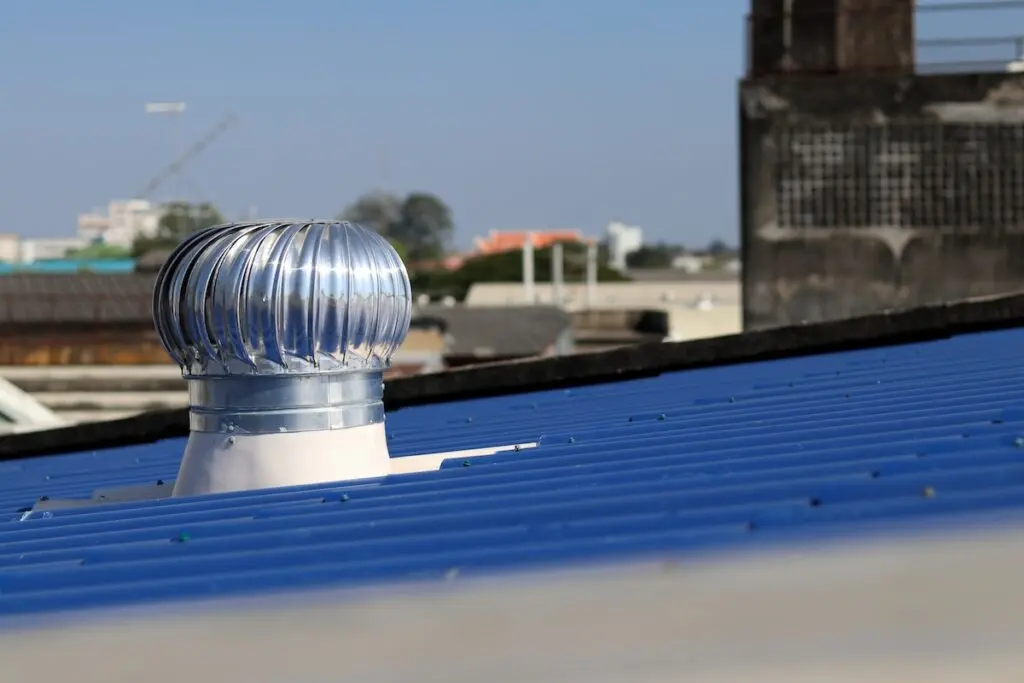
A turbine vent cap, known as a whirlybird, uses wind to spin a fan that actively pulls warm air out of the attic. It is the only passive vent with moving parts, and it ventilates more air than a static cap when there is even a light breeze. Turbines are most effective in areas with regular wind and can move significant volumes of attic air without electricity. The trade-off is that the moving parts can wear, creak, or seize over time, requiring eventual replacement.
- Wind-powered: Spins to actively draw hot air from the attic.
- Higher airflow: Moves more air than a static cap in a breeze.
- No electricity: Operates entirely on wind power.
- Moving parts: Can wear or creak and may need replacement over time.
3. Exhaust Vent Cap
An exhaust vent cap connects to bathroom fans, kitchen fans, or dryer vents to expel moist indoor air out through the roof. Unlike attic vents, these caps handle air ducted directly from appliances, so a proper seal and often a damper are important to prevent backdrafts. Keeping these caps clear and functional is essential, since a blocked exhaust cap can trap humidity inside the home and strain the connected fan. They are a small but critical part of managing indoor moisture.
- Appliance venting: Expels air from bath, kitchen, or dryer fans.
- Moisture control: Removes humid indoor air through the roof.
- Damper benefit: Often paired with a damper to prevent backflow.
- Keep clear: Blockages trap humidity and strain the fan.
4. Flat Roof Vent Cap
A flat roof vent cap is a low-profile cover designed specifically for flat and low-slope roofs. It provides proper ventilation while maintaining the sleek, streamlined look of a flat roofing system, sitting close to the surface rather than protruding. Because flat roofs shed water more slowly, these caps are engineered to keep water out while still allowing air to escape. They are the right choice for modern homes and additions with low-slope roofing.
- Low profile: Sits close to the surface for a clean look.
- Flat-roof specific: Engineered for flat and low-slope roofs.
- Water resistant: Designed to keep water out on slow-draining roofs.
- Modern fit: Ideal for contemporary homes and additions.
5. Vent Cap With Built-In Damper
A vent cap with a built-in damper includes a flap that allows air to flow in only one direction, preventing backdrafts. This design keeps outside air, pests, and cold drafts from entering through the vent when the connected fan is off, adding efficiency to the ventilation system. Damper caps are especially useful on exhaust vents for bathrooms and kitchens, where preventing backflow protects indoor comfort. The one-way airflow makes them a smart upgrade for energy-conscious homeowners.
- One-way airflow: The damper prevents air from flowing backward.
- Blocks drafts: Keeps cold air and pests out when the fan is off.
- Added efficiency: Improves the performance of the venting system.
- Best for exhaust: Especially useful on bath and kitchen vents.
6. Ridge Vent Cap
A ridge vent cap runs along the peak of the roof, providing continuous exhaust ventilation across the entire attic span. Rather than venting from a single point, it releases hot air evenly along the ridge, which delivers the most balanced airflow when paired with soffit intake vents. Ridge caps are covered by matching shingles or a metal profile for a clean, integrated appearance. They are widely considered one of the most effective exhaust ventilation methods for pitched roofs.
- Continuous venting: Exhausts air evenly along the entire ridge.
- Balanced airflow: Works best paired with soffit intake vents.
- Integrated look: Concealed by shingles or a metal profile.
- Highly effective: One of the best exhaust methods for pitched roofs.
What Materials Are Roof Vent Caps Made Of?
Beyond style, roof vent caps come in several materials, each with its own balance of cost, durability, and appearance. The right material depends on your climate and budget.
Which Vent Cap Material Is Best?
The best vent cap material depends on your priorities, but aluminum, galvanized steel, copper, and plastic are the common options. Aluminum is lightweight, rust-resistant, and easy to install, making it a popular all-around choice, while galvanized steel is highly corrosion-resistant and well-suited to harsh weather. Copper offers exceptional durability and an attractive patina for upscale homes, and plastic is the most affordable though least durable option. Matching the material to your climate and the rest of your roof ensures both performance and a cohesive look. Consider the following:
- Aluminum: Lightweight, rust-resistant, and easy to install.
- Galvanized steel: Highly corrosion-resistant for harsh weather.
- Copper: Durable and attractive, ideal for upscale homes.
- Plastic: The most affordable, but the least durable.
How Much Does a Roof Vent Cap Cost?
Roof vent cap costs vary by type, material, and whether you include professional installation. Understanding the ranges helps you budget for a repair or replacement.
What Is the Cost to Replace a Roof Vent Cap?
In the Philadelphia area, replacing a roof vent cap generally costs more than national averages suggest. Local pricing data puts minor roof repairs in the $75 to $750 range, and Angi’s 2026 Philadelphia data puts vent boot replacement at $257 to $616, with an average of $410. Other area roofing sources place a single failed vent pipe boot or seal at roughly $300 to $500. The cap itself can be inexpensive, $10 to $50 for a basic model, with copper and specialty caps priced higher, but the bulk of the cost is labor, and a local contractor’s minimum service charge often sets the floor regardless of the part’s price. Roof slope, accessibility, vent type, and the number of caps being replaced all affect the final number, so an itemized quote from a local contractor is the most reliable guide. Key cost factors include:
- Cap type: Static caps are cheapest; powered vents cost the most.
- Material: Plastic and aluminum cost less than copper.
- Roof access: Steep or hard-to-reach roofs raise labor costs.
- Quantity: Replacing several caps at once can lower the per-unit cost.
When Should You Replace Your Roof Vent Cap?
Knowing when to replace a vent cap helps you prevent leaks and moisture damage before they start. Several clear signs indicate a cap has reached the end of its life.
What Are the Signs a Vent Cap Needs Replacing?
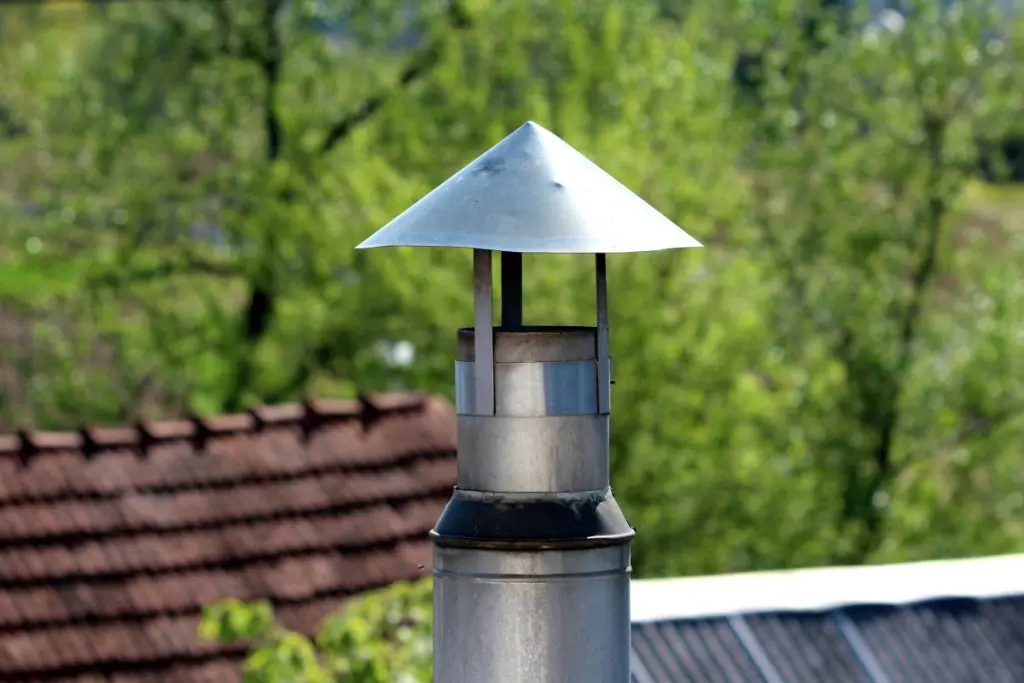
The signs a roof vent cap needs replacing include visible rust or cracks, leaks near the vent, loose or missing caps, and reduced airflow. Rust, corrosion, or cracking means the cap can no longer keep water out, while water stains on the ceiling near a vent point to a failed seal. A cap that is loose, damaged, or missing entirely leaves the opening exposed to weather and pests, and a turbine that creaks or has stopped spinning has likely worn out. Catching these signs early, ideally during an annual inspection, prevents small problems from becoming costly leaks. Watch for the following:
- Rust or cracks: Corrosion or cracking means the cap no longer seals.
- Leaks or stains: Water marks near a vent signal a failed cap.
- Loose or missing caps: An exposed opening invites water and pests.
- Reduced airflow: A seized turbine or clogged cap needs attention.
How Do You Maintain a Roof Vent Cap?
Maintaining a roof vent cap involves regular inspection and cleaning to keep it sealed and clear. Inspect your vent caps at least once a year, checking that they are free of debris, securely fastened, and properly sealed against leaks, and clear away any leaves, nests, or buildup that could block airflow. Addressing minor issues like loose fasteners or worn caulk early prevents them from turning into leaks. Pairing this upkeep with broader roof care, and avoiding common roof maintenance mistakes, keeps your ventilation system working for years. Focus on these steps:
- Annual inspection: Check caps yearly for damage and secure fit.
- Clear debris: Remove leaves, nests, and buildup that block airflow.
- Check the seal: Confirm caulk and fasteners remain watertight.
- Act early: Address small issues before they become leaks.
Frequently Asked Questions
How Much Does It Cost to Replace a Roof Vent Cap?
In the Philadelphia area, replacing a roof vent cap typically runs $257 to $616, averaging around $410, though the total depends on the cap type, material, and roof access. Static caps are the most affordable, while powered vents cost significantly more. An itemized quote based on your roof gives the most accurate figure.
How Long Do Roof Vent Caps Last?
Roof vent caps generally last many years, with durable materials like copper and galvanized steel outlasting plastic. Lifespan depends on the material, weather exposure, and maintenance. Regular inspections help you catch wear before it leads to leaks.
Can I Replace a Roof Vent Cap Myself?
Some handy homeowners replace simple vent caps themselves, but the work involves roof access and proper sealing to prevent leaks, which carries real safety and waterproofing risks. Improper installation can cause water intrusion and void warranties. For most homeowners, professional replacement is the safer, more reliable choice.
What Happens If a Roof Vent Cap Is Damaged?
A damaged vent cap can let water, debris, and pests into your attic and ventilation system, leading to leaks, mold, and reduced airflow. Left unaddressed, this can cause moisture damage and higher energy costs. Replacing a compromised cap promptly protects your roof and attic.
How Often Should Roof Vent Caps Be Inspected?
Roof vent caps should be inspected at least once a year, and after major storms, to confirm they are secure, sealed, and free of debris. Regular inspection catches rust, cracks, and blockages early. Pairing vent checks with a broader annual roof inspection is the best practice.
Do Roof Vent Caps Help With Energy Bills?
Yes, functioning vent caps support proper attic ventilation, which releases trapped summer heat and reduces the load on your cooling system. Good ventilation can lower cooling costs and extend the life of your roofing materials. Damaged or blocked caps undermine this benefit, so keeping them clear matters.
Why Choose O’Donnell Roofing Co. for Your Roof Ventilation
At O’Donnell Roofing Co., we understand how critical proper ventilation is to the performance and longevity of your roof, and that includes getting the small details like vent caps right. Our team brings years of expertise and craftsmanship to homes throughout Lower Merion and surrounding areas, ensuring your entire roofing system is expertly installed and maintained. We partner with top manufacturers to provide durable aluminum, galvanized, and copper vent caps, so your home gets the best possible protection against moisture, heat, and pests. If you want to make sure your roof and attic are properly ventilated and protected, reach out to our team of professionals today.