

Your roof is the first line of defense against everything from falling tree branches to ice and snow.
It’s important to have your roof inspected on a regular basis to quickly assess damage as it occurs. The average roof lasts around 20 years, but there are several factors that determine how long yours will last, including your roofing materials, maintenance schedule, and the climate you live in.
For homeowners in Paoli and surrounding areas, understanding the difference between roof repair and replacement can help prevent unnecessary expenses and long-term structural damage.
In this guide, we’ll cover:
- The pros and cons of roof repair
- The benefits and drawbacks of roof replacement
- Key factors to consider before making a decision
At the end of the day, the more attention you pay to your roof, the longer it will last. If you notice damage to your roof, you’ll have to decide between roof repair and total roof replacement. It’s not an easy decision, however, as many things have to be considered.
We’re here to help by outlining the pros and cons of roof repairs versus installing a new roof. If you’re feeling overwhelmed by your roof problems, keep reading and we’ll help you take the right measures for the health and safety of your home.
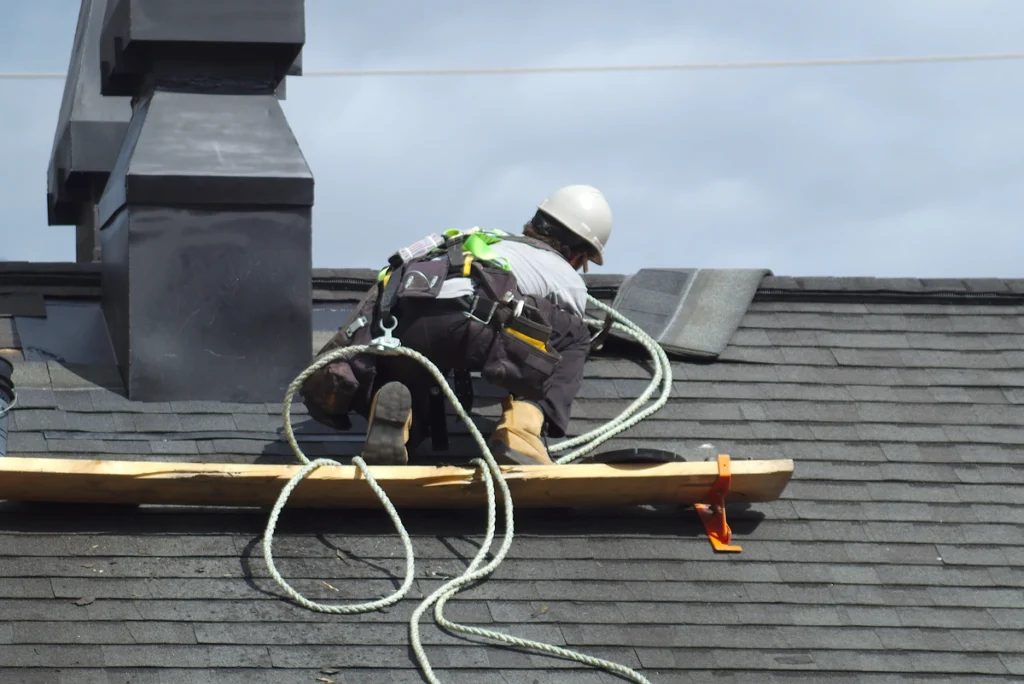
Pros and Cons of Roof Repair
It can be difficult to figure out how bad roof damage is. Certain issues look severe but are relatively easy fixes, while smaller-looking problems can eventually put your home at risk.
The temptation is usually to take the cheaper option and have your roof repaired, which comes with both advantages and disadvantages.
Pros
The most obvious reason to have your roof repaired is that it’s significantly less expensive than replacing the entire roof.
- Lower upfront cost: Shingle replacement, flashing repairs, or algae removal may only cost a few hundred dollars compared to thousands for a full replacement.
- Extends roof lifespan: Addressing issues quickly can add years to your existing roof.
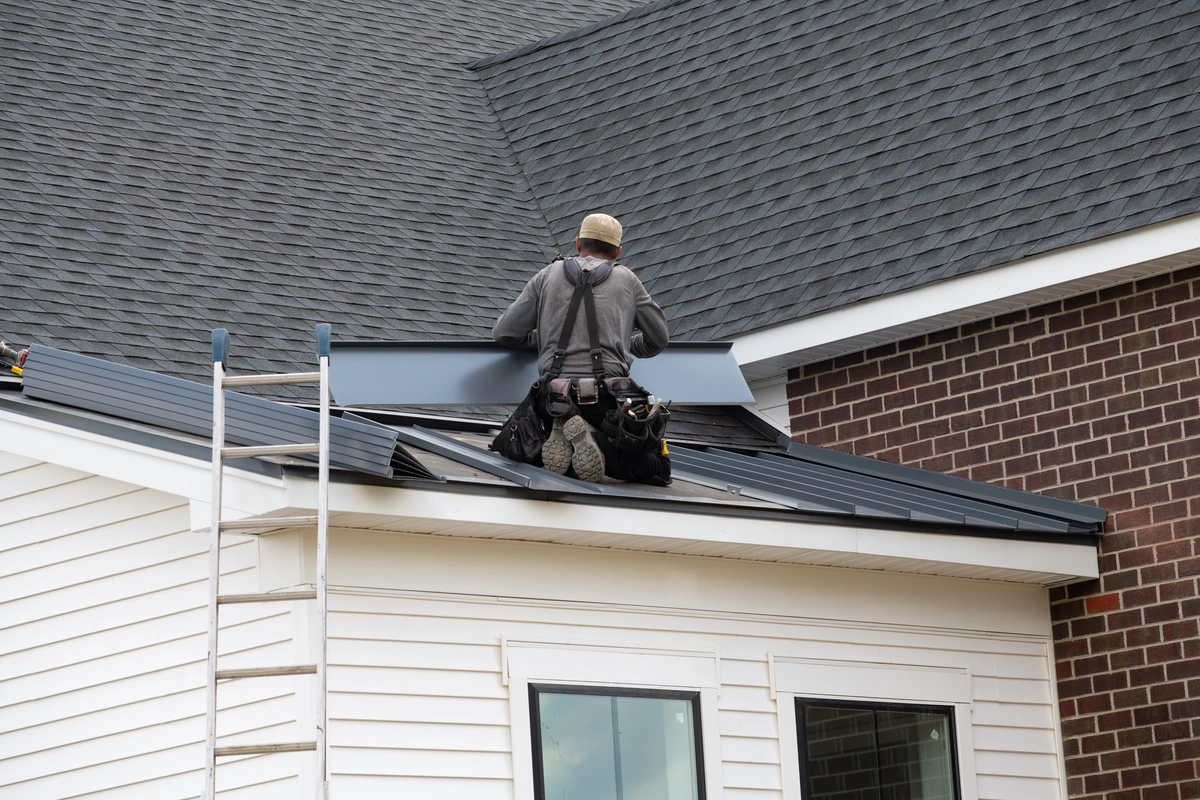
- Faster project timeline: Most roof repairs can be completed in a day or less depending on severity.
- Less disruption: Repairs are typically quieter and less invasive than a full replacement.
As long as you schedule repairs quickly, another major advantage is preventing small issues from becoming expensive structural problems. A professional roofing contractor can inspect your roof thoroughly and identify hidden issues before they worsen.
Cons
The biggest downside to roof repair is that it may only provide a temporary solution.
If your roof is older or nearing the end of its lifespan, repairs may simply delay the inevitable need for replacement. Aging roofing systems become more vulnerable to moisture intrusion, missing shingles, and material breakdown over time.
- Temporary fix potential: Older roofs may continue developing problems even after repairs.
- Recurring repair costs: Constant patchwork can become expensive over several years.
- Hidden damage risks: Water intrusion beneath shingles may not always be visible immediately.
- Material mismatch: New shingles or materials may not perfectly match older roofing sections.
This is why a professional roof inspection is so important. At O’Donnell Roofing Co., we provide honest recommendations and help homeowners determine the best long-term solution for their property.
In many situations, temporary repairs may still be necessary to stop active leaking before moving forward with a complete replacement.
Pros and Cons of Roof Replacement
Just like repairs, roof replacement comes with both benefits and drawbacks. While the upfront investment is larger, the long-term advantages can often outweigh the costs.
Pros
Installing a new roof gives your home a completely fresh start and significantly improves long-term protection.
- Long-term reliability: A new roof eliminates recurring repair concerns.
- Improved energy efficiency: Modern roofing systems provide better insulation and ventilation.
- Enhanced curb appeal: A new roof instantly improves the appearance of your home.
- Increased property value: Buyers are more confident purchasing homes with newer roofs.
- Warranty protection: Most new roofing systems include manufacturer and workmanship warranties.
Modern roofing materials also allow homeowners to upgrade their home’s performance. Improved ventilation systems, reflective shingles, and upgraded underlayment materials can all contribute to lower energy costs.
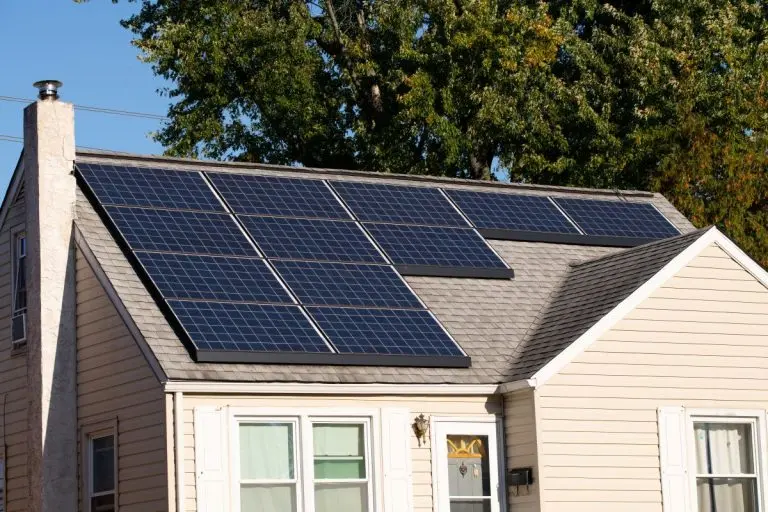
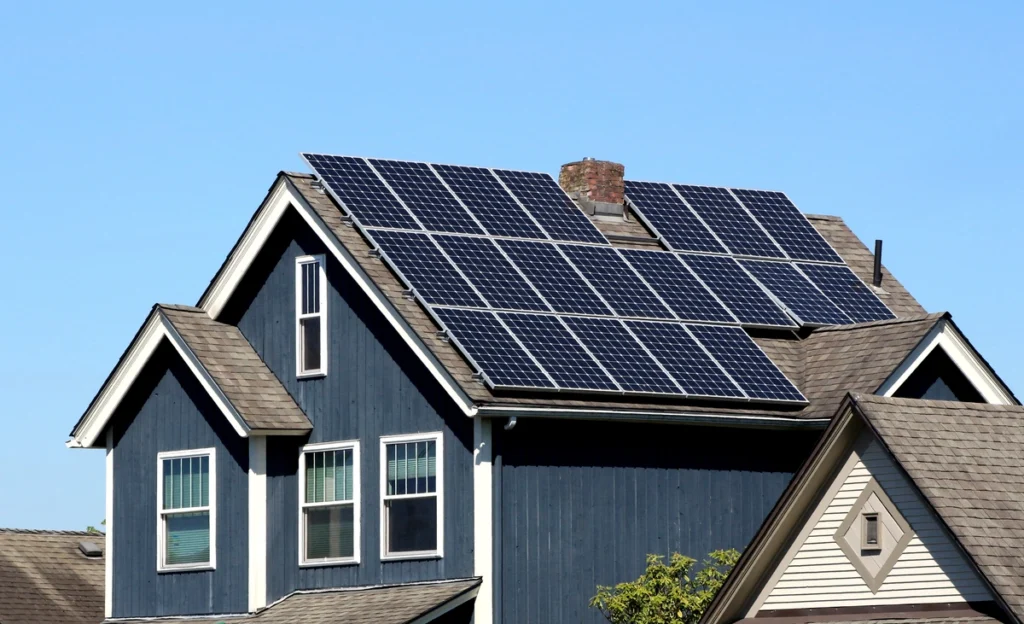
Homeowners may also choose to add solar panels during roof replacement projects to maximize long-term energy savings.
Cons
The primary drawback of roof replacement is the larger upfront investment.
There’s no denying that replacing a roof is a significant expense, but delaying replacement too long can sometimes cost even more in repairs and water damage.
- Higher initial cost: Roof replacement requires a larger financial commitment.
- Longer project timeline: Full replacements typically take several days depending on roof size.
- Temporary disruption: Noise and debris are unavoidable during installation.
- Unexpected repairs: Underlying decking or structural damage may be discovered once old materials are removed.
If pricing is a concern, it’s important to work with a roofing contractor that offers financing options to help spread costs over time.
Factors to Consider Before Deciding
Ultimately, the best way to decide between repair and replacement is to evaluate several important factors together.
Every roof is different, and the right answer often depends on your roof’s age, condition, and future plans for your property.
Your Roof’s Age
The age of your roof is one of the biggest deciding factors.
If your roof is relatively new and suffers isolated damage from weather or debris, repairs usually make the most sense. However, if your roof is approaching the end of its expected lifespan, replacement may be more cost-effective.
- Asphalt shingles: Typically last 20–25 years
- Metal roofing: Often lasts 40–70 years
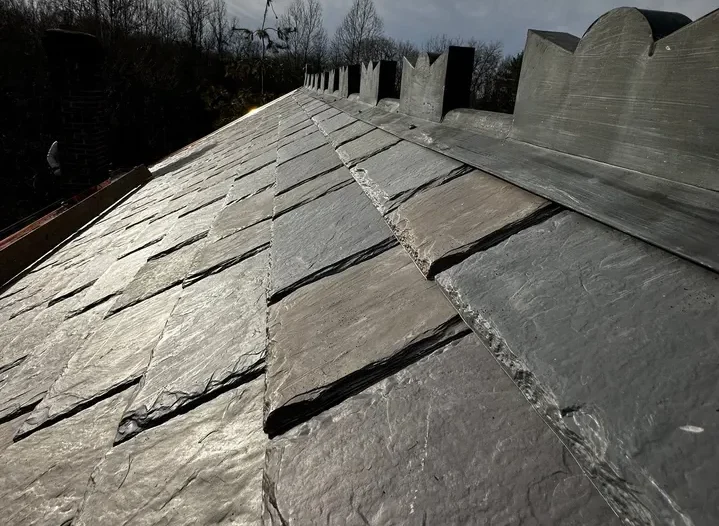
- Slate roofing: Can exceed 75–100 years
- Flat roofing systems: Usually last 20–30 years depending on material
If weather damage caused the issue, homeowners should also check whether insurance coverage may help pay for repairs or replacement.
How Severe Is the Damage?
The extent of roof damage matters just as much as the roof’s age.
Minor cosmetic issues can often be repaired successfully, while widespread structural concerns usually require replacement.
- Repair-worthy issues: Missing shingles, isolated leaks, flashing damage, algae growth, or minor wind damage.
- Replacement-worthy issues: Sagging rooflines, extensive water intrusion, widespread rot, or repeated leaking throughout the roof.
Even seemingly small leaks should be addressed quickly to prevent mold growth, insulation damage, and foundation issues.
Roofing Materials Matter
Different roofing materials age differently and carry different replacement costs.
For example, slate and metal roofing systems are designed for much longer lifespans than asphalt shingles. In these cases, repairs often make more financial sense if the roof still has decades of life remaining.
Higher-end materials may also justify larger repairs because replacing the entire system would be substantially more expensive.
Consider Your Future Plans
Your long-term plans for your home should influence your decision.
If you’re planning to sell your home within the next few years, replacing an aging roof may improve resale value and buyer confidence.
- Higher home value: Buyers prefer homes with newer roofs.
- Improved inspection results: Roof condition is a major factor during real estate transactions.
- Better curb appeal: New roofing dramatically improves exterior appearance.
If you plan to remain in your home long term, investing in a full replacement may provide greater peace of mind and lower maintenance costs over time.
Budget and Monthly Energy Costs
Budget is always an important consideration, but homeowners should also think about long-term operating costs.
Older roofs often allow heat loss during winter and trap excess heat during summer. A modern roofing system with updated ventilation and insulation can improve efficiency significantly.
- Lower heating and cooling costs: Modern systems help regulate indoor temperatures.
- Reduced maintenance expenses: Fewer ongoing repair bills over time.
- Potential financing options: Monthly payment plans may make replacement more manageable.
If replacement isn’t financially possible right now, strategic repairs can help buy time until you’re ready for a larger investment.
Why Professional Roof Inspections Matter
One of the biggest mistakes homeowners make is relying only on visible damage to determine roof condition.
Professional inspections help uncover hidden problems such as:
- Soft decking beneath shingles
- Hidden moisture intrusion
- Poor attic ventilation
- Flashing failures around chimneys and vents
- Structural weaknesses caused by long-term leaks
Scheduling regular inspections helps catch these issues early before they require emergency repairs.

Making the Right Choice
Choosing between roof repair and replacement is never easy, but evaluating the age, condition, material, and future plans for your home can help make the decision clearer.
For homeowners in Paoli and surrounding areas, professional guidance is often the best way to avoid unnecessary costs and protect your property long term.
If you need a roof inspection or honest advice about your roofing options, contact O’Donnell Roofing Co. today. Our family business has been helping homeowners throughout the Philadelphia area with roof repairs, replacements, and maintenance for nearly a century.
We’ll help you determine the best solution for your roof, your budget, and your long-term goals.