Your roof plays a critical role in protecting your home from the elements, yet it’s often one of the most overlooked components when it comes to routine maintenance. Just like you schedule annual HVAC or plumbing checks, your roof deserves the same level of care, and that starts with regular inspections.
But how much does a roof inspection actually cost? And is it really worth the investment?
In this guide, we’ll break down everything homeowners need to know, including:
- Average roof inspection costs, and what factors affect pricing
- Signs your roof may need immediate attention
- How often you should schedule inspections
- Simple ways to spot potential problems yourself
Whether you’re preparing to sell your home or just want peace of mind after a major storm, this article will help you make an informed decision about roof inspections.
Demystifying the Cost of Roof Inspections
When it comes to roof inspections, one of the first questions homeowners ask is, “How much will it cost me?”
The answer: It depends. But in many cases, a basic roof inspection can be free if you’re already considering the roofing company for repairs or replacement. That said, not all inspections are created equal, and not all are free.
Here’s what you should know:
- Free Inspections: Many reputable roofing companies (like O’Donnell Roofing) offer no-cost inspections as part of their service process. It’s often seen as a way to earn trust and showcase expertise, with the hope of being hired for follow-up work.
- Paid Inspections: If the inspection is more detailed or involves tools like drones or infrared imaging, expect to pay $100 to $400, depending on your location and the roof’s complexity.
- Why Companies Offer Free Inspections: It’s a win-win, homeowners get expert feedback at no cost, while companies get the opportunity to build relationships and demonstrate value.
Recognizing When Your Roof Needs an Inspection
Knowing when to schedule a roof inspection can help you catch small issues before they become expensive repairs. Here are some clear signs it’s time to call a professional:
1. Leaks or Water Stains
- What to look for: Water spots on your ceiling or walls, musty odors, or peeling paint.
- Why it matters: Even a small leak can lead to mold, wood rot, or structural damage.
- Pro tip: Check your attic after heavy rain. It’s often the first place leaks show up.
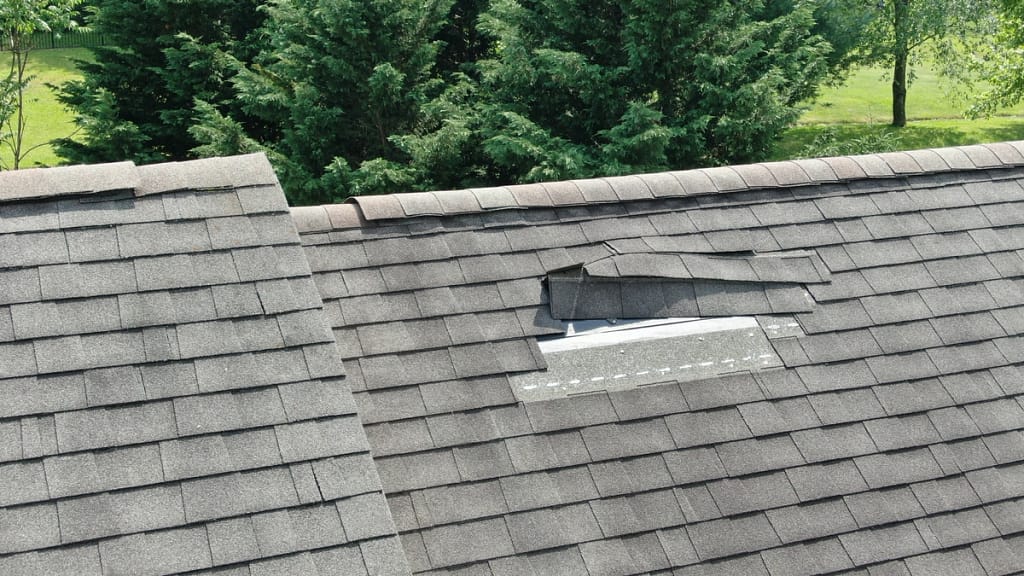
2. Missing or Damaged Shingles
- What to look for: Shingles that are cracked, curling, or completely missing.
- Why it matters: These exposed areas can lead to water infiltration and faster roof aging.
- When to act: After storms, do a quick visual scan from the ground using binoculars.
3. Granule Buildup in Gutters
- What to look for: Sand-like granules accumulating in your downspouts or gutters.
- Why it matters: Granule loss indicates aging shingles that are less UV- and water-resistant.
4. Sagging or Uneven Rooflines
- What to look for: Sections of the roof that appear bowed or wavy.
- Why it matters: This could signal structural issues like weakened decking or framing, these need fast attention.
5. Higher Energy Bills
- What to look for: A sudden spike in heating or cooling costs.
- Why it matters: Poor ventilation or insulation from roof damage can drive up energy usage.
6. After Major Storms
- What to do: Always schedule a roof inspection after hail, strong winds, or heavy snow.
- Why it matters: Not all damage is visible. Inspections can reveal hidden issues that may qualify for insurance claims.
How Often Should You Schedule a Roof Inspection?
Regular roof inspections play a pivotal role in preserving your roof’s integrity. It is generally recommended to have your roof inspected at least once a year. However, specific circumstances may necessitate more frequent inspections:
- Roof Age: As your roof ages, it becomes more susceptible to wear and tear. Roofs older than 20 years may benefit from inspections every six months.
- Exposure to Harsh Weather: In regions prone to extreme weather conditions such as heavy rainfall, snowfall, or frequent hailstorms, scheduling more frequent inspections is advisable.
- Recent Roofing Work: If you have recently undergone roof repairs or had a new roof installed, it is prudent to schedule an inspection post-work to ensure the job was completed correctly.
- Tree-Covered Property: Homes surrounded by trees are susceptible to falling branches and debris that can damage roofs. In such cases, more frequent inspections are warranted.
- Real Estate Transactions: When buying or selling a property, a roof inspection is often part of the process to assess the roof’s condition and negotiate any necessary repairs or replacements.
DIY Roof Inspection Checklist (What You Can Safely Check Yourself)
You don’t need to climb up on your roof to catch early warning signs. Here’s a quick, safe checklist for homeowners who want to keep tabs on their roof between professional inspections:
Exterior Checks (From the Ground)
Shingle Health
- Look for missing, curling, cracked, or buckling shingles
- Check for bald spots. This means granules have worn off. Binoculars work great for this if you’re inspecting from the ground
Check Flashing & Seals
- Inspect areas around chimneys, skylights, and roof vents
- Look for rust, gaps, or lifting, these can let water seep in
Gutters & Downspouts
- Make sure gutters are clean and securely attached
- Water should flow freely and drain away from your home’s foundation
- Overflowing gutters often signal blockages, or roofing issues upstream
Interior Checks (From Inside Your Home)
Ceilings & Walls
- Scan for water stains, discoloration, or peeling paint
- These often signal leaks coming from above, even if the attic looks dry
In the Attic
- Look for damp insulation, mold, or sunlight peeking through the roof
- Use your nose: a musty smell often signals hidden moisture
Safety First
Never walk on your roof. It’s dangerous and easy to damage shingles. Leave that to the pros. If you’re unsure about anything you see, it’s always best to schedule a professional inspection.
Seasonal Tip For PA Homeowners
After a heavy snow or fall storm, check for ice dams at the edge of your roof and piles of debris in gutters, both can cause serious water damage if left unchecked.
Roof Inspection Cost Estimates: What You Can Expect to Pay
One of the most common questions we hear from homeowners is: “How much does a roof inspection cost?” The answer can vary depending on the type of inspection, your location, and the condition of your roof, but here’s a general breakdown to help set expectations:
Average Roof Inspection Costs
| Type of Inspection | Estimated Cost |
|---|---|
| Basic visual inspection (ground/attic) | $0 – $150 |
| Detailed inspection with photos/report | $150 – $350 |
| Drone-assisted inspection | $150 – $400 |
| Infrared/moisture scan | $300 – $600+ |
| Real estate transaction (certified) | $200 – $500 |
Ready for Peace of Mind? Get Your Roof Professionally Inspected
A roof inspection is a small investment that can prevent major headaches down the line. Whether it’s spotting early signs of damage or preparing for a home sale, routine inspections help protect your home, and your wallet.
At O’Donnell Roofing, we offer detailed, no-pressure inspections, and we don’t miss the small stuff. From storm damage to aging shingles, we’ve got the experience to catch what others overlook. Contact us now and get the clarity your roof deserves.
FAQ’s
Is it worth getting a roof inspection?
Yes. Getting a roof inspection is absolutely worth it, especially if your roof is over 10 years old, has been exposed to storms, or you’re preparing to buy/sell your home.
A typical inspection can identify early issues like loose shingles, leaks, or structural weaknesses. Often saving you thousands in future repairs. In many cases, inspections are free if you’re already considering roof work.
How much does a typical roof inspection cost?
Roof inspections usually range from $100 to $400, depending on the type (visual, drone, or infrared). Some roofing companies offer free inspections when providing repair or replacement estimates.
How long does a roof inspection take?
Most standard inspections take 30 minutes to 1 hour, depending on the roof size and complexity. Drone or infrared inspections may take longer due to additional equipment or data processing.
When is the best time of year to schedule a roof inspection?
Spring and fall are ideal times. Weather is moderate, and issues from winter storms or summer heat can be identified before the next extreme season. However, post-storm inspections are critical any time of year.