

Knowing the right questions to ask a roofer before signing a contract is the single best way to protect your home, your budget, and your peace of mind. A roof is one of the largest investments a homeowner will make, and the contract you sign determines who is accountable when something goes wrong. The difference between a smooth installation and a costly headache often comes down to the conversation you have before any work begins. This guide walks through the exact questions that separate trustworthy professionals from operators who cut corners.
- Credential verification: Confirming licensing, insurance, and local presence protects you from liability and substandard work.
- Contract clarity: Written details on materials, timelines, and payment terms prevent disputes and surprise charges later.
- Long-term protection: Understanding warranties, cleanup, and communication ensures your roof is covered long after the crew leaves.

Why Asking the Right Questions Matters Before You Hire
Asking detailed questions before hiring a roofer is the most reliable form of consumer protection available to homeowners. The questions you ask reveal whether a contractor is local, accountable, and properly credentialed, or whether they are likely to disappear once the check clears.
Why Do Homeowners Get Taken Advantage Of?
Most homeowners are taken advantage of because roofing is technically complex and emotionally urgent, especially after a storm. When water is coming through a ceiling or an insurance adjuster is on the way, the natural instinct is to hire fast, and dishonest operators are built to exploit that pressure. They rely on homeowners not knowing which credentials to verify, what payment terms are normal, or how a legitimate warranty actually works. Slowing down and asking pointed questions removes the urgency that scams depend on and shifts the advantage back to you in Media and surrounding areas.
- Emotional urgency: Storm damage and active leaks push homeowners to sign before comparing options.
- Technical complexity: Few homeowners can independently assess damage or verify repair quality.
- High dollar amounts: A replacement is a five-figure decision, which creates strong financial incentive for fraud.
- Unfamiliar process: Many homeowners have never hired a roofer and do not know what normal looks like.
What Makes a Roofer Trustworthy?
A trustworthy roofer is verifiable, transparent, and locally accountable, meaning you can confirm their credentials and find them again if you need them. Legitimate contractors welcome questions and provide documentation without hesitation, because transparency is part of how they do business. They put everything in writing, explain their findings with photos from your actual roof, and never pressure you to decide on the spot. A roofer who treats your due diligence as an insult rather than a reasonable step is telling you something important about how they operate.
- Verifiable credentials: They readily share license numbers, insurance certificates, and references.
- Written transparency: Estimates, materials, and timelines are documented, not promised verbally.
- No pressure: They give you time to compare bids and review the contract.
- Local roots: They have a physical address and an established history in your community.
10 Questions to Ask a Roofer Before Signing a Contract
The following questions cover every critical area of a roofing agreement, from credentials to cleanup. Ask all ten before you sign, and pay close attention to any roofer who hesitates or gives vague answers.
1. Are You Licensed and Insured in Pennsylvania?
A roofer should carry both general liability and workers’ compensation insurance, plus any licensing or registration your area requires, and should hand over proof without hesitation. Licensing helps ensure a contractor meets minimum professional standards, while insurance protects you from financial responsibility if a worker is injured on your property or your home is damaged during the work. Always verify these documents directly with the issuing agency rather than trusting a photocopy, since fraudulent operators often present fake or expired certificates. This single question filters out a large share of unqualified contractors.
- General liability: Covers damage to your property caused during the installation.
- Workers’ compensation: Shifts liability for on-site injuries away from you as the homeowner.
- Independent verification: Confirm credentials with the licensing board or insurance carrier directly.
- Current status: Check that coverage and registration are active, not lapsed.
2. Do You Have a Local Address and References?
A legitimate roofer has a verifiable physical address and a list of recent local customers you can actually contact. Out-of-town crews that follow severe weather often use hotel addresses, P.O. boxes, or temporary phone numbers that disconnect once they leave the area, which makes warranty claims and follow-up repairs nearly impossible to enforce. A contractor with deep roots in Media and surrounding areas has a reputation to protect and will still be around years from now if you need them. Ask for addresses of recent work nearby and call the references they provide.
- Physical office: A real, verifiable address signals local accountability.
- Recent references: Speaking with past customers reveals real-world reliability.
- Local reputation: Established companies have reviews and history you can research.
- Long-term availability: A local roofer remains reachable for future warranty needs.
3. What Will My Roofing Estimate Include in Writing?
A complete written estimate itemizes labor, materials, removal of the old roof, cleanup, and the total cost, with no vague line items. Detailed documentation protects you from bait-and-switch tactics, where a low initial bid balloons through “unexpected” change orders once the work starts. The estimate should specify exact products rather than generic terms, so you know precisely what you are paying for. If a quote is suspiciously low, treat it as a warning sign rather than a bargain, because the difference is usually made up through inferior materials or surprise charges.
- Itemized costs: Labor, materials, tear-off, and disposal should each be listed.
- Specific products: The estimate names exact shingle lines, not vague categories.
- Total clarity: The bottom-line price and any conditions are stated plainly.
- Comparison-ready: A detailed estimate lets you compare bids on equal footing.
4. Which Materials and Manufacturers Do You Use?
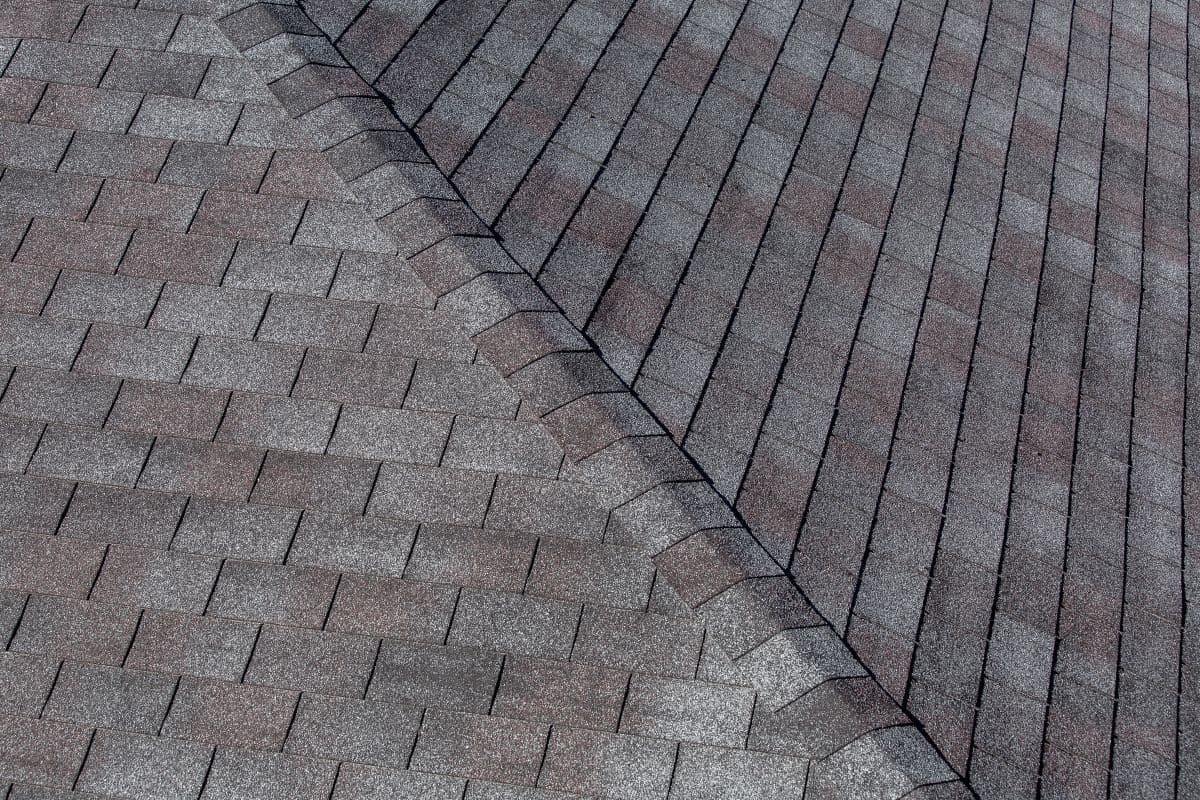
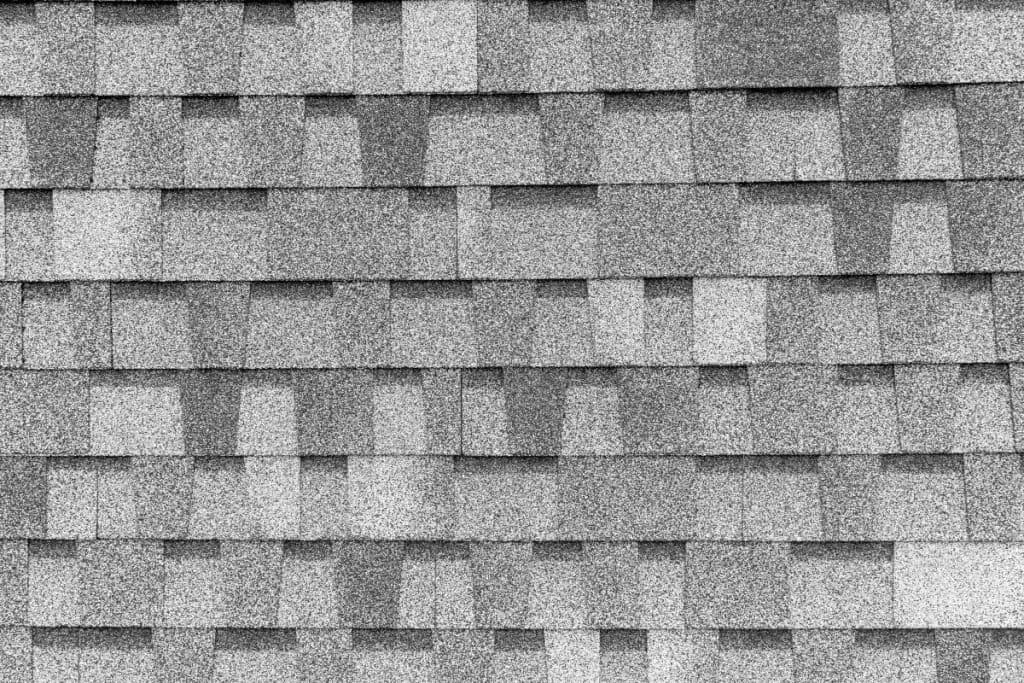
A reputable roofer specifies exact materials by brand and product line, such as a named architectural shingle, rather than generic descriptions. Material substitution is a common way dishonest contractors cut costs, installing cheaper three-tab shingles or off-brand underlayment while charging premium prices. Naming the exact products in the contract gives you a basis to inspect deliveries and hold the roofer accountable. Quality materials also tie directly to your manufacturer warranty, so the products on your roof determine the protection you receive for decades.
- Named products: Contracts should list specific shingle lines and underlayment brands.
- Delivery inspection: Knowing the spec lets you verify materials on arrival.
- Warranty link: Manufacturer coverage depends on using approved products correctly.
- No substitutions: Written specs prevent cheaper materials from being swapped in.
5. How Will You Handle Permits and Inspections?
A professional roofer pulls all required permits and schedules inspections as a standard part of the job. If a contractor asks you to pull the permits yourself, treat it as a serious red flag, because it often means they are unlicensed or trying to avoid responsibility for code compliance. Licensed contractors handle permitting because the work must pass municipal inspection, and skipping that step can lead to failed inspections, fines, and improper installation. The roofer should explain which permits your municipality requires and confirm they will manage the entire process.
- Contractor responsibility: A legitimate roofer secures permits, never asking you to do it.
- Code compliance: Permits ensure the work meets local building standards.
- Inspection scheduling: The contractor coordinates required municipal inspections.
- Risk avoidance: Proper permitting prevents fines and failed inspections later.
6. What Are Your Payment Terms and Deposit Requirements?
A trustworthy roofer requests a reasonable deposit, typically in the range of 10 to 33 percent, with the balance due on completion or through structured progress payments. Demands for 50 percent or more upfront, or insistence on full payment before work begins, are classic warning signs that a contractor may take the money and disappear. Never pay the entire cost in advance, and be wary of anyone pressuring you toward a large cash deposit. Reasonable, milestone-based payment terms keep both parties accountable and protect your money until the work is actually done.
- Modest deposit: Industry-standard deposits generally fall between 10 and 33 percent.
- Balance on completion: Final payment should follow finished, inspected work.
- No full prepayment: Paying everything upfront removes your leverage entirely.
- Documented schedule: Payment milestones should be written into the contract.
A useful benchmark for spotting trouble is recognizing the schemes fraudsters rely on most. The National Insurance Crime Bureau warns that common roofing cons include demanding full payment upfront, guaranteeing an insurance claim before the insurer approves it, and exaggerating or even creating damage to justify a larger payday.
7. What Warranties Do You Offer?
A complete roofing warranty has two parts: a manufacturer warranty covering the materials and a workmanship warranty covering the installation. The manufacturer warranty protects against defects in the shingles themselves, while the workmanship warranty covers errors in how the roof was installed, which is where most leaks actually originate. Ask how long each warranty lasts, what voids it, and whether it transfers to a future owner. A roofer who cannot clearly explain both types of coverage, or who offers no workmanship warranty at all, leaves you exposed if problems appear after the job is finished.
- Manufacturer warranty: Covers defects in the roofing materials themselves.
- Workmanship warranty: Covers installation errors, the most common source of leaks.
- Transferability: Some warranties add value by transferring to a new owner.
- Coverage terms: Ask what actions or conditions could void the warranty.
8. How Do You Approach Insurance Claims?
An ethical roofer assists with the insurance process honestly and never offers to waive or absorb your deductible. Waiving a deductible is considered insurance fraud in many states, and any contractor who proposes it is asking you to participate in an illegal scheme that can result in claim denial or worse. Be equally cautious of roofers who push you to sign an Assignment of Benefits before you understand it, since this hands them control of your claim. A reputable contractor encourages you to stay in direct contact with your insurer throughout the process.
- No deductible waiving: Offering to cover your deductible is a fraud red flag.
- Honest documentation: Legitimate roofers document real damage from your roof.
- Claim transparency: You should remain in direct contact with your insurer.
- Careful with AOB: Understand any Assignment of Benefits before signing it.
9. Who Will Supervise the Work and Communicate With Me?
A reliable roofer tells you exactly who manages the job site and how you will receive updates from start to finish. Knowing your point of contact prevents the frustration of an absent contractor and ensures someone is accountable for quality at every stage. Ask whether a supervisor will be on site, how often you will get progress updates, and how to reach the company if a concern arises mid-installation. Clear communication expectations set before signing protect the working relationship and give you confidence that questions will be answered promptly.
- Named supervisor: A specific person should be responsible for on-site quality.
- Update schedule: Agree on how and how often you will receive progress reports.
- Direct contact: You should have a reliable way to reach the company quickly.
- Accountability: A clear point of contact prevents finger-pointing if issues arise.
10. How Will You Protect My Property and Handle Cleanup?
A professional roofer explains how they will protect your landscaping, gutters, and home during the work, and commits to a thorough cleanup including a magnetic sweep for nails. Roofing generates significant debris, and the contractor should detail how they will shield plants and siding, where dumpsters go, and how the site will look when finished. A nail left in a driveway or yard is both a hazard and a sign of a rushed job. Confirming cleanup standards in writing ensures the work leaves your property in the condition it deserves and reflects the care a quality roofer brings to every home in Media and surrounding areas.
- Property protection: Landscaping, gutters, and siding should be shielded during work.
- Debris management: Ask where dumpsters sit and how debris is contained.
- Magnetic sweep: A nail sweep protects tires, pets, and bare feet afterward.
- Written standards: Cleanup expectations belong in the contract, not just a promise.
Frequently Asked Questions
How Much Does a Roof Replacement Typically Cost?
A roof replacement for an average 2,000-square-foot home generally costs between $16,000-$20,000, though the total varies with materials, roof complexity, and pitch. Premium materials and steep or intricate rooflines push costs higher. Always get at least three written estimates so you can compare pricing on equal terms.
How Long Does a Roof Replacement Take?
Most residential roof replacements take one to three days depending on the size of the home, the weather, and the materials being installed. Larger or more complex roofs can take longer. A reputable roofer will give you a realistic timeline in writing before the work starts.
Should I Be Suspicious of a Very Low Bid?
Yes, a bid that comes in 30 percent or more below other estimates is a major warning sign. Suspiciously low pricing is often a setup for change-order fraud or a signal that the contractor plans to use inferior materials. Compare detailed written estimates rather than choosing on price alone.
Is It Safe to Hire a Roofer Who Knocks on My Door After a Storm?
Be cautious with unsolicited door-to-door offers, especially right after a storm. Established local roofers rarely need to cold-knock, and many door-to-door operators are out-of-town crews with no local accountability. Verify licensing, insurance, and local references before signing anything.
How Much Deposit Should a Roofer Require?
A reasonable deposit typically falls between 10 and 33 percent of the total cost, with the balance due upon completion or in structured payments. Demands for 50 percent or more upfront, or full payment before work begins, are red flags. Never pay the entire amount in advance.
Do I Need a Permit to Replace My Roof?
In most municipalities, yes, roof replacements require a permit, and your contractor should handle it. If a roofer asks you to pull the permit yourself, treat it as a warning sign that they may be unlicensed. Proper permitting ensures the work passes local inspection.
Hire With Confidence Through O’Donnell Roofing Co.
Asking the right questions to ask a roofer before signing a contract turns a stressful decision into a confident one, and O’Donnell Roofing Co. welcomes every one of them. As a licensed, insured, and locally rooted company serving Media and surrounding areas, we put our credentials, materials, warranties, and payment terms in writing because transparency is how we earn trust. Our team handles permits, protects your property, and stands behind both the materials and the workmanship long after the job is done. When you are ready to hire a roofer who answers every question honestly and treats your home with care, reach out to O’Donnell Roofing Co. for expert guidance and a clear, detailed estimate you can sign with confidence.