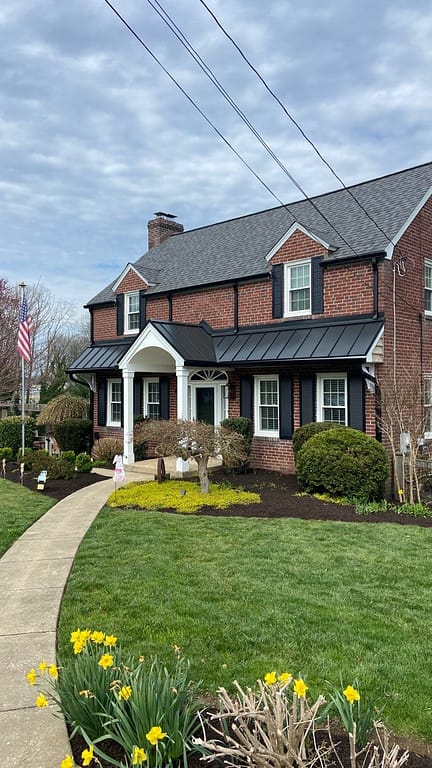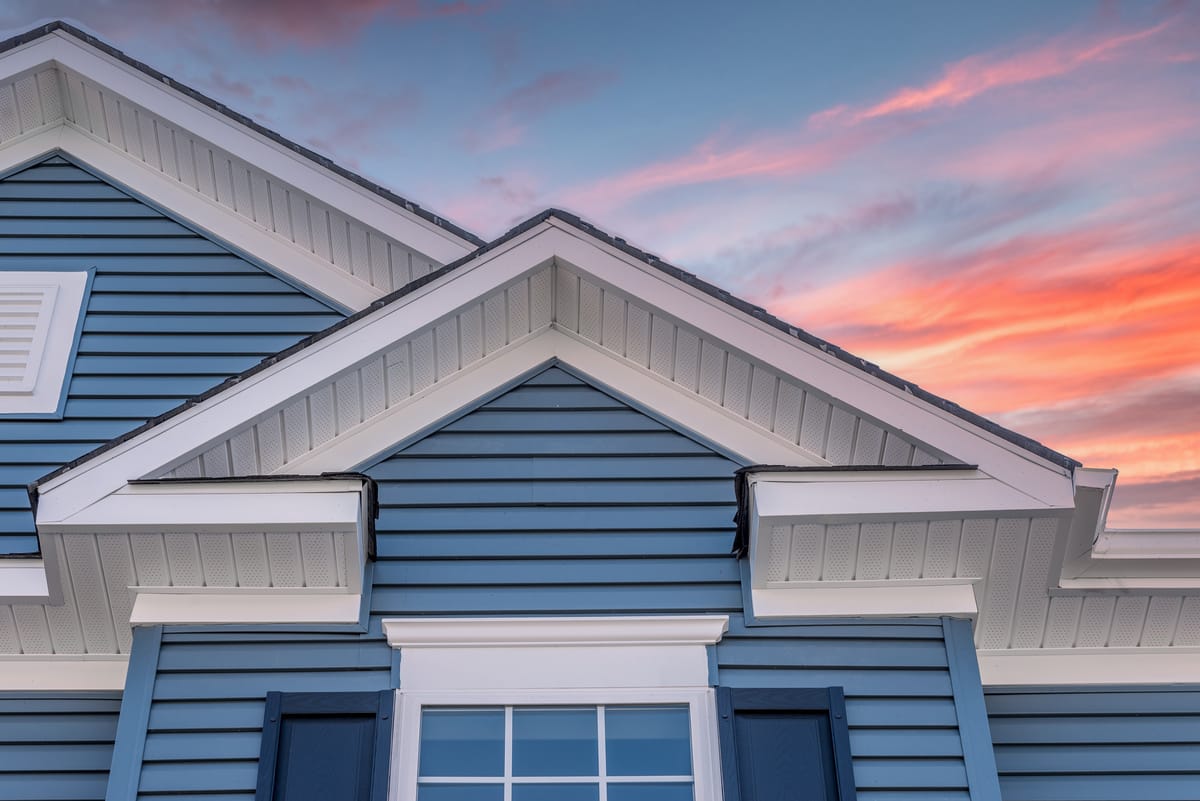
PVC trim boards might not be the most glamorous aspect of home construction, but they play a crucial role in both aesthetics and functionality. They are the finishing touch, the subtle detail that can elevate the overall look of a home’s exterior or interior. In 2026, homeowners are placing more emphasis on durable exterior materials that require less upkeep, making trim board selection more important than ever.
Among the various materials available for trim boards, PVC (Polyvinyl Chloride) continues to stand out as a top-performing option for both residential and light commercial projects. It offers a balance of performance and visual appeal that aligns with modern construction standards.
Among the various materials available for trim boards, PVC (Polyvinyl Chloride) stands out for its:
- Durability: Built to withstand moisture, weather, and impact.
- Versatility: Works for both interior and exterior applications.
- Low maintenance requirements: Requires minimal upkeep compared to wood.
In this expert guide, we’ll delve into the world of PVC trim boards, covering everything from what they are to why they’re a top choice for homeowners and builders alike.
What Is A Trim Board?
A trim board, also known as molding or casing, is a narrow strip of material used to provide a decorative or protective edge to various parts of a building. Trim boards can be found around windows, doors, along the roofline, or as baseboards along the floor. They serve both practical and aesthetic purposes, covering gaps, protecting edges from moisture and wear, and adding architectural detail to a structure.
In modern construction and remodeling, trim boards also play a role in improving energy efficiency by sealing transitions between materials. As building standards continue to evolve in 2026, properly installed trim boards contribute to a more complete and weather-resistant building envelope.
Why Are Trim Boards Important?
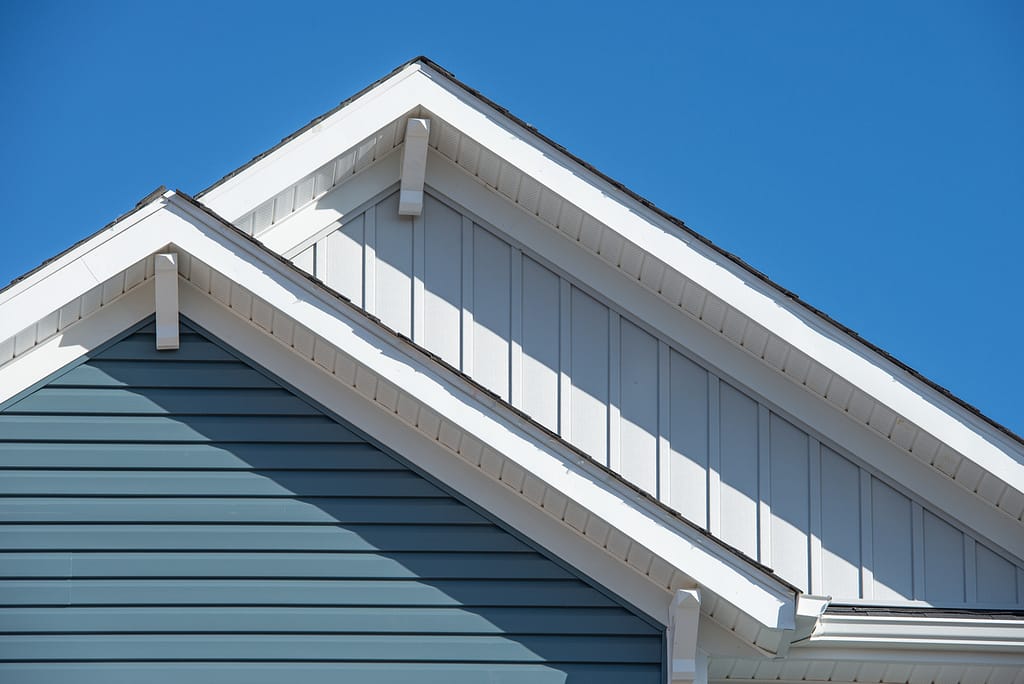
While trim boards may seem like minor elements of a building’s design, their importance cannot be overstated. They provide both functional protection and visual definition that ties together different parts of a home’s exterior or interior.
In 2026, homeowners are increasingly prioritizing materials that not only look good but also protect against long-term damage. Trim boards help bridge that gap by combining durability with design.
Here are some key reasons why trim boards are essential:
- Aesthetic Enhancement: Trim boards enhance the visual appeal of a building by adding depth, contrast, and architectural detail.
- Protection Against Elements: They help protect vulnerable areas from moisture, insects, and environmental exposure.
- Structural Integrity: Trim boards reinforce areas around openings and edges, reducing long-term wear.
- Seamless Finishing: They create clean transitions between siding, windows, and doors for a polished look.
Different Trim Board Materials
Trim boards are available in a variety of materials, each with its own unique characteristics and advantages. Choosing the right material depends on your budget, maintenance preferences, and overall design goals.
As siding and exterior systems continue to evolve in 2026, homeowners are moving toward materials that provide longer lifespans and lower maintenance requirements. This shift has made synthetic options more popular than ever.
Wood
Wood trim boards, typically made from cedar, pine, or fir, offer a traditional and natural aesthetic. They are easy to work with and can be stained or painted to match the desired color scheme. However, wood trim boards require regular maintenance to prevent rot, decay, and insect infestation.
Over time, exposure to moisture and sunlight can cause wood trim to warp or crack. This makes it a higher-maintenance option compared to newer materials.
Composite
Composite trim boards are made from a mixture of wood fibers and synthetic materials, such as PVC or polyurethane. They offer the beauty of wood with enhanced durability and resistance to moisture and insects. Composite trim boards are available in a range of colors and textures and require minimal maintenance.
While more durable than wood, some composite materials can still be affected by extreme weather conditions. This is why many homeowners now look toward fully synthetic options for better performance.
PVC (Polyvinyl Chloride)
PVC trim boards are made from a durable plastic material that is resistant to moisture, rot, insects, and warping. They are lightweight, easy to install, and can be painted to match any color scheme. PVC trim boards are highly durable and require virtually no maintenance, making them an ideal choice for both exterior trim installation and interior applications.
In 2026, PVC trim boards are widely used in modern siding systems due to their long lifespan and ability to withstand harsh weather conditions without deterioration.
5 Reasons Why We Recommend PVC Trim Boards
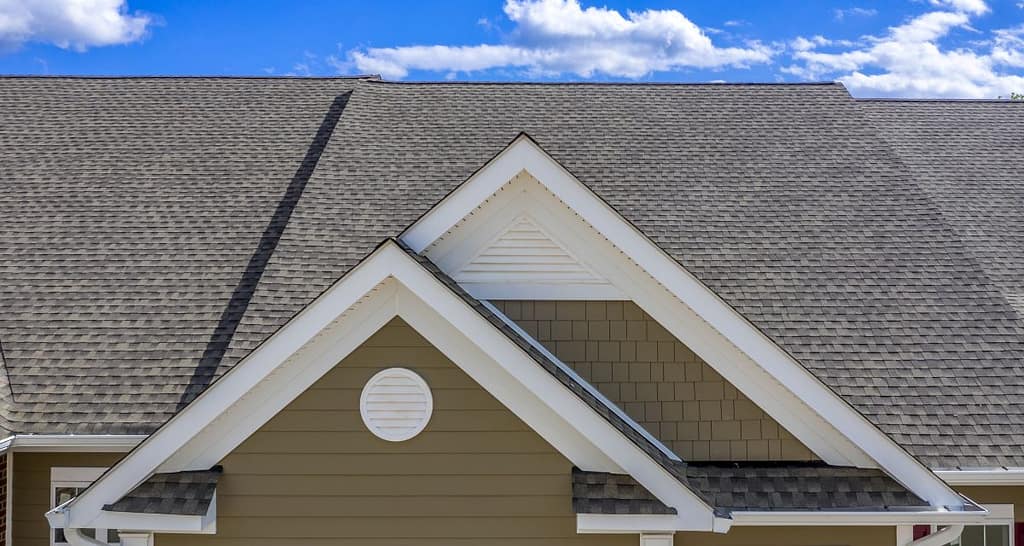
Among the various trim board materials available, PVC stands out as a top choice for several reasons. Homeowners and contractors alike continue to choose PVC trim for its long-term performance and reliability.
Below are five key benefits of PVC trim board installation.
1) Durability
PVC trim boards are highly durable and resistant to moisture, rot, insects, and impact damage. Unlike wood trim boards, which can warp, crack, or decay over time, PVC trim boards maintain their structural integrity and appearance for years to come.
This durability makes PVC an excellent option for exterior trim areas that are exposed to rain, humidity, and temperature changes. It is especially beneficial in climates where weather conditions fluctuate throughout the year.
2) Low Maintenance
One of the primary advantages of PVC trim boards is their low maintenance requirements. Unlike wood trim boards, which need regular painting, staining, and sealing, PVC trim boards require only occasional cleaning with soap and water to keep them looking like new.
This reduced maintenance saves homeowners both time and money over the lifespan of the material. It also makes PVC an attractive option for busy homeowners who want long-term performance without constant upkeep.
3) Versatility
PVC trim boards are available in a variety of sizes, shapes, and profiles to suit any architectural style or design preference. They can be easily cut, routed, and shaped to fit specific dimensions and applications, making them highly versatile and adaptable to various projects.
From window trim to fascia boards, PVC can be used across multiple areas of a home. This flexibility allows for consistent design and performance throughout the exterior.
4) Sustainability
PVC trim boards are an environmentally conscious option due to their long lifespan and reduced need for replacement. While they are synthetic, their durability helps reduce material waste over time.
In 2026, sustainability is increasingly tied to product longevity, and PVC trim boards align with this trend. Fewer replacements mean fewer materials entering landfills over the life of the home.
5) Cost-Effectiveness
While PVC trim boards may have a higher upfront cost compared to wood or composite trim boards, their long-term durability and low maintenance requirements make them a cost-effective investment over time.
Homeowners often find that the reduced need for repairs, repainting, and replacement offsets the initial cost. This makes PVC trim a smart financial decision for long-term home improvement projects.
Cost To Install PVC Trim Boards
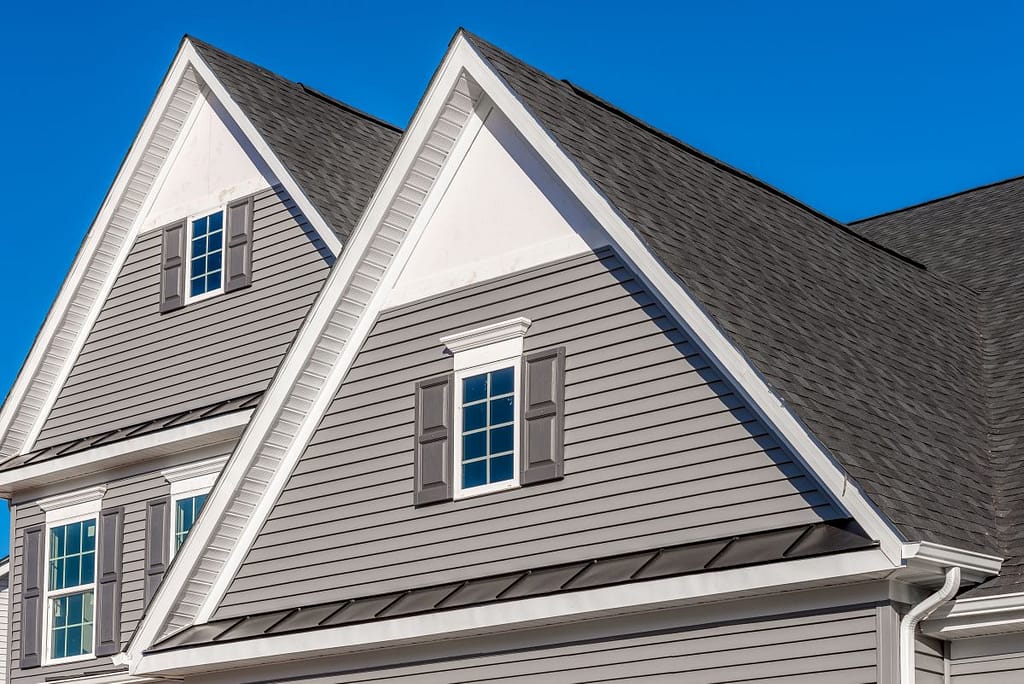
The cost to install PVC trim boards can vary depending on factors such as the size of the project, labor costs, and geographic location. In 2026, material pricing can also fluctuate due to supply chain factors and demand for synthetic building products.
On average, homeowners can expect general material costs to vary, with final pricing depending on the specific scope of the project and contractor rates.
Labor costs for installing PVC trim boards typically depend on the complexity of the installation and the experience level of the contractor. Additional costs may include fasteners, adhesives, and finishing materials.
How Long Do PVC Trim Boards Last?
One of the key benefits of PVC trim boards is their exceptional longevity. When properly installed and maintained, PVC trim boards can last for decades without showing signs of wear or deterioration.
Unlike traditional materials, PVC does not absorb moisture or attract pests, which significantly extends its lifespan. This makes it a reliable long-term solution for both exterior trim and interior applications.
How To Take Care Of PVC Trim Boards
While PVC trim boards are virtually maintenance-free, there are a few simple steps you can take to keep them looking their best. Proper care ensures that the material maintains its appearance and performance over time.
Routine maintenance also helps identify any minor issues early before they become larger concerns.
Regular Cleaning
- Mild soap and water: Removes dirt and buildup effectively.
- Soft cloth or brush: Prevents scratching the surface.
- Occasional rinsing: Keeps trim looking clean and bright.
Avoid Harsh Chemicals
- No abrasive cleaners: Prevents surface damage.
- Avoid solvents: Protects material integrity.
- Use approved products: Ensures long-term performance.
Inspect For Damage
- Check for cracks or chips: Address issues early.
- Look for discoloration: Monitor changes over time.
- Repair promptly: Prevents further damage.
Protect From Heat And Sunlight
- Allow for expansion: Proper installation spacing is key.
- Use lighter paint colors: Reduces heat absorption.
- Monitor high-exposure areas: Helps prevent distortion.
Seal Joints And Edges
- Use exterior-grade caulk: Prevents water intrusion.
- Check seams regularly: Ensures continued protection.
- Maintain weatherproofing: Keeps the system sealed.
Install Quality Trim Boards With O’Donnell
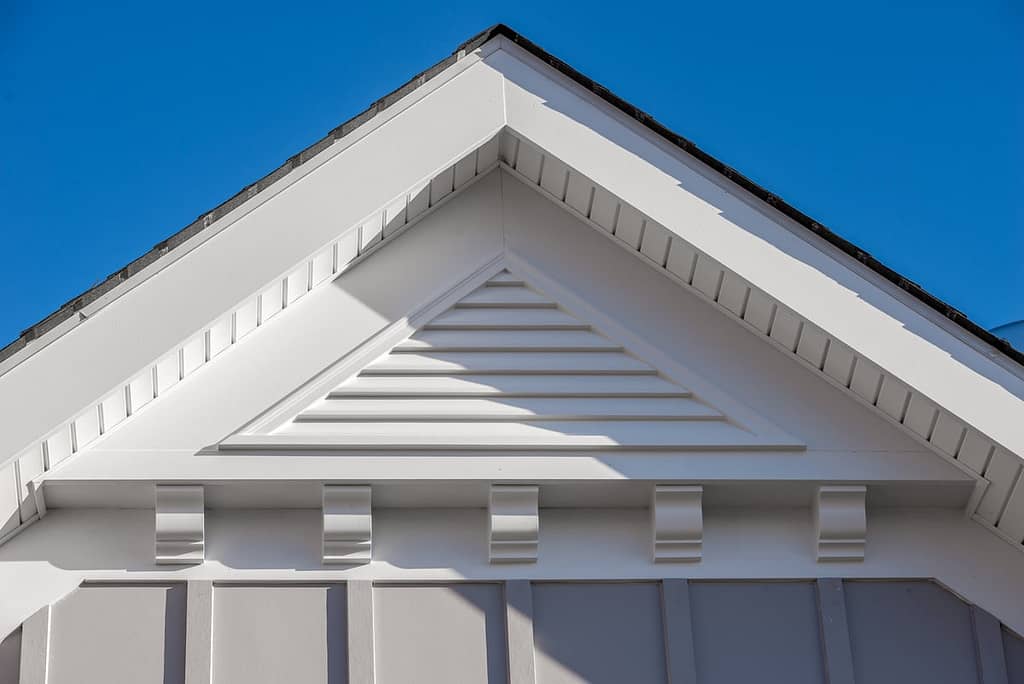
PVC trim boards are a versatile and durable solution for enhancing the beauty and durability of your home’s exterior or interior. With their exceptional longevity, low maintenance requirements, and cost-effectiveness, PVC trim boards offer numerous advantages over traditional materials such as wood or composite.
As homeowners continue to prioritize durable, low-maintenance materials in 2026, PVC trim boards remain one of the best options available. They provide long-term protection while maintaining a clean, finished look.
When you want someone who understands the ins and outs of protecting your home, you want O’Donnell Roofing. Contact us today to schedule a free inspection and get expert guidance on upgrading your trim and exterior systems.