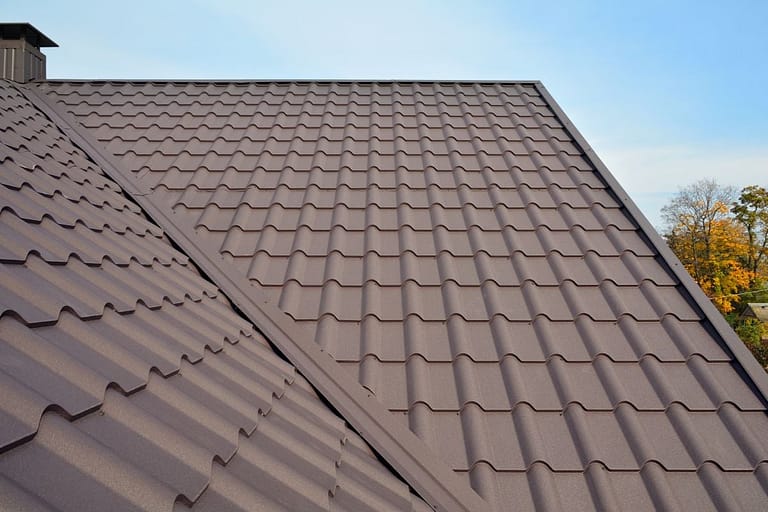
If you want your metal roof to last its full lifespan, and possibly beyond, then scheduling a metal roof inspection should be part of your regular maintenance plan. Whether you’re managing a commercial building or own a home in Wynnewood or surrounding areas, understanding what goes into an inspection can help prevent leaks, rust, structural damage, and unexpected costs.
This 2026 guide walks you through:
- Why metal roof inspections matter
- What professionals look for during the process
- 6 essential components of a thorough metal roof inspection
- How to prepare and what comes next
Why Schedule a Metal Roof Inspection?
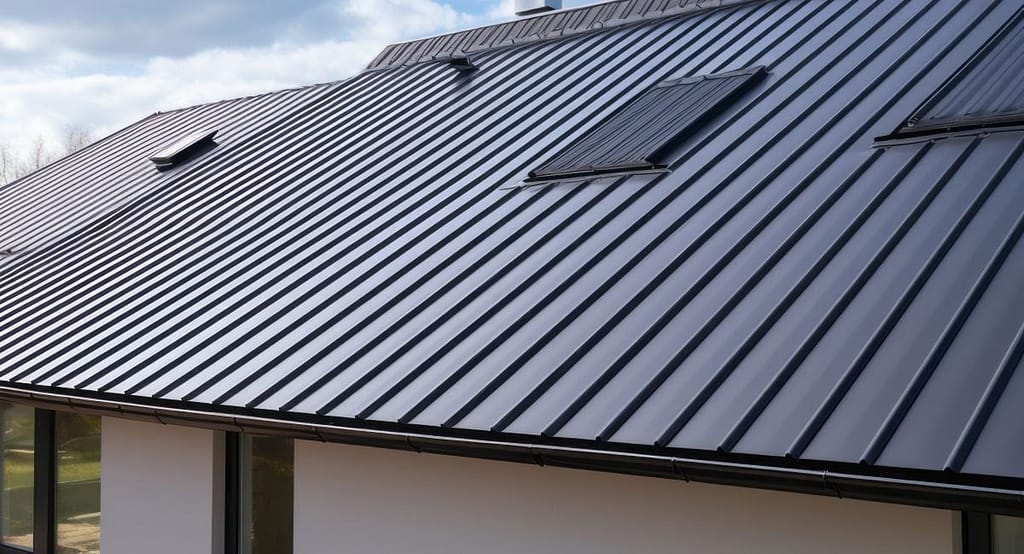
Metal roofing systems are known for durability, but they’re not indestructible. Seasonal weather, thermal expansion, fastener fatigue, and improper installation can lead to problems over time. Regular inspections help identify issues before they require major repairs, or worse, premature replacement.
For homes and buildings in Wynnewood, where heavy rain, snow, and summer heat all take their toll, a professional inspection every 1–2 years is a smart preventive measure.
When Should You Get a Metal Roof Inspected?
It’s a good idea to schedule a full inspection:
- Annually: Ideal for aging roofs or those exposed to extreme conditions
- After major weather events: Storms, hail, or high winds can shift panels or damage fasteners
- After installation: To verify that your roof meets warranty and code requirements
- Before selling a property: Ensures the roof is in top shape for inspection and appraisal
- When leaks or discoloration appear: Water stains, rust streaks, or mold growth are clear warning signs
Professional inspections typically take one to two hours, depending on roof complexity and access.
6 Key Areas Covered in a Metal Roof Inspection
A detailed metal roof inspection goes beyond surface checks. Here are the core areas your roofing professional will evaluate:
1. Panel Condition and Attachment
- Loose or shifted panels: Inspectors look for any panels that have moved, warped, or appear unsecured.
- Surface damage: Dents, scratches, or abrasions from debris can expose the metal to moisture.
- Sealant wear: Any cracked or deteriorating sealant between panel joints is flagged for replacement.
Even small panel issues can compromise waterproofing, so early detection is key.
2. Fasteners and Anchoring Systems
- Backed-out screws: Fasteners can loosen over time due to thermal movement.
- Corrosion: Rusted or missing screws reduce the roof’s integrity.
- Over- or under-driven fasteners: These mistakes can create gaps or compress washers, leading to leaks.
Inspectors often carry color-matched screws to replace damaged fasteners on the spot.
3. Flashing and Penetration Points
- Chimneys and vents: These areas are vulnerable to leaks if flashing is bent, missing, or improperly sealed.
- Skylights and HVAC units: Curbs and seals are checked for watertightness.
- Valleys and ridges: Areas where panels meet or overlap must be tight and debris-free.
These transition points are where most leaks start, especially on older installations.
4. Rust, Corrosion, and Coating Condition
- Surface rust: Even small spots of corrosion need attention before they spread.
- Flaking or peeling coating: Failing paint or finish leaves the metal unprotected.
- Electrolytic corrosion: Happens when incompatible metals come into contact—something inspectors always watch for.
Addressing corrosion early can add years to the roof’s life.
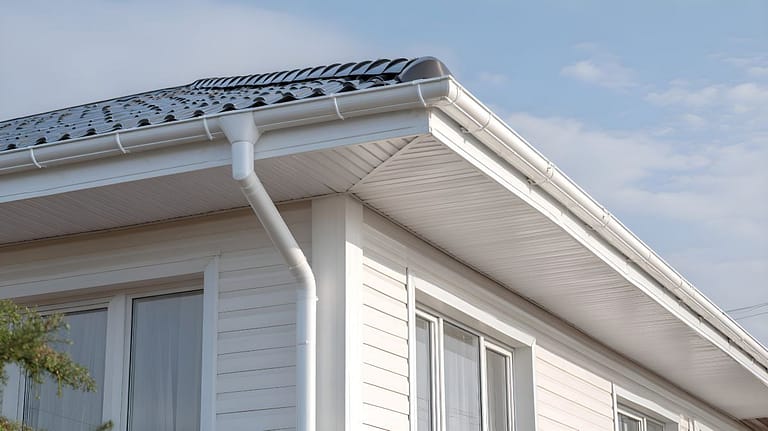
5. Gutter and Drainage Systems
- Debris buildup: Leaves, pine needles, or sediment can clog downspouts.
- Pitch and flow: Gutters should slope correctly to prevent standing water.
- Seal integrity: Leaky seams and joints can lead to water damage at the eaves.
Many roofing issues actually begin with poor drainage—not the roof itself.
6. Interior Signs of Roof Failure
- Water stains on ceilings or walls: Indicates possible slow leaks or flashing failure.
- Mold or mildew: Often found in attics or upper corners near vent stacks.
- Dripping or wet insulation: Signals active water intrusion even if the roof appears fine outside.
A full inspection should include a quick attic or top-floor check to catch hidden issues.
What Happens After the Inspection?
Once the inspection is complete, your roofer will typically provide:
- A written report: Including photos, notes, and a condition summary
- Maintenance suggestions: From resealing fasteners to trimming overhanging branches
- Repair recommendations: Prioritized by urgency and cost
- Replacement timeline: If the roof is nearing the end of its lifespan
If repairs are needed, many contractors offer bundled inspection-and-repair packages to keep everything efficient and cost-effective.
Preparing for Your Inspection
To help your contractor work efficiently:
- Clear driveway or roof access: Especially important if they’re using ladders or equipment
- Note any problem areas: Leaks, stains, or noise during storms should be pointed out
- Trim overhanging limbs: Makes visual inspection easier and improves safety
- Have attic access ready: Some signs of failure are easier to diagnose from below
- Review your warranty: Some roofing warranties require routine inspections for validity
Taking a few simple steps beforehand ensures a thorough and safe assessment.
How to Choose a Qualified Inspector
Not all roofing contractors specialize in metal systems. Here’s what to look for:
- Metal roofing experience: Ask how many metal roof inspections or installs they complete each year
- Manufacturer certifications: Some roofers are certified by the brands they install, which is a good sign of quality
- Local references: Choose someone familiar with weather patterns and permitting in Wynnewood
- Proper insurance and licensing: Protects you in case of damage or accidents
- Detailed reporting: Look for contractors who include photo documentation and written summaries
An experienced inspector can spot issues that a generalist might miss, saving you from surprises down the road.
Protect Your Investment
A professional metal roof inspection gives you more than a status update, it’s a proactive way to avoid major repairs, extend your roof’s lifespan, and protect your property from preventable damage.
Whether your metal roof is five years old or forty, scheduling an inspection in 2026 is one of the smartest maintenance decisions you can make. For homeowners and commercial property managers in Wynnewood or surrounding areas, regular inspections help ensure your roof is ready for whatever the seasons bring.
Contact O’Donnell today to learn more. Our roofing specialists will give you a complete condition report, catch problems early, and help you get the most from your investment, one fastener at a time.