Hardie Panel vertical siding has become one of the most talked-about exterior upgrades among homeowners planning renovations for 2025 and beyond. Known for its durability, low maintenance, and modern appeal, this siding option offers both aesthetic and practical advantages. But with 2026 on the horizon, many homeowners are asking a key question — is Hardie Panel siding still worth the investment in the years ahead?
In this guide, we’ll cover:
- What Hardie Panel siding is: How it differs from traditional siding materials.
- The advantages and potential drawbacks: Based on 2025–2026 construction standards.
- How to decide if it’s right for your home: Factors that affect value and performance.
If you live in Chadds Ford or surrounding areas, this guide will help you evaluate whether Hardie Panel vertical siding is the right upgrade for your home in 2025, 2026, and beyond.
What Is Hardie Panel Vertical Siding?
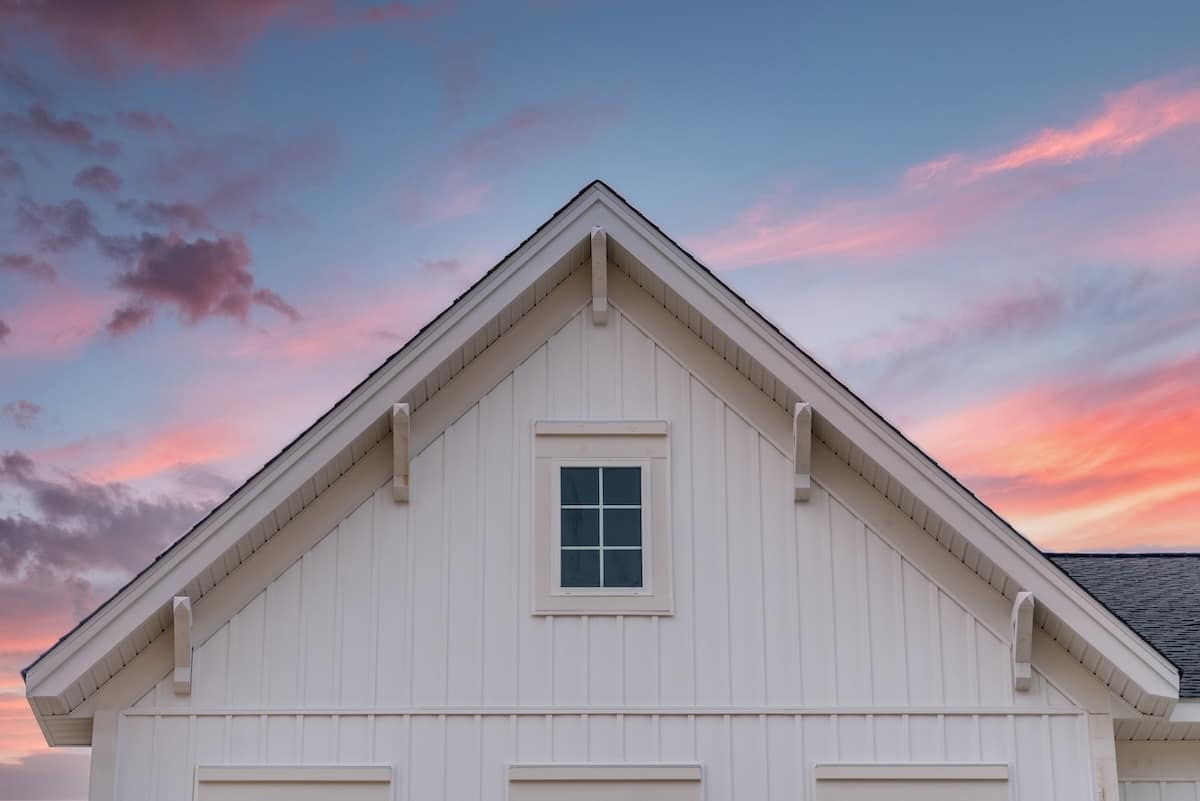
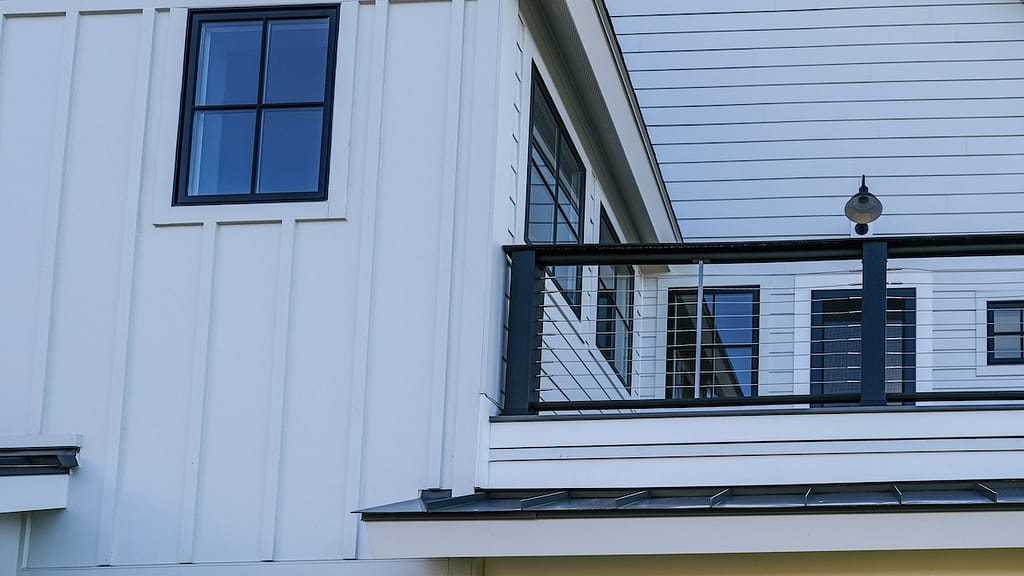
Hardie Panel siding is a fiber cement product created by James Hardie, one of the most trusted names in exterior building materials. Unlike horizontal lap siding, Hardie Panel is installed vertically, offering a sleek, contemporary look. It’s made from a blend of cement, sand, and cellulose fibers that produce a strong, weather-resistant surface designed to last for decades.
Key Features of Hardie Panel Siding
- Vertical orientation: Offers a modern farmhouse or commercial-inspired appearance.
- Fiber cement composition: Provides superior strength compared to vinyl or wood.
- Fire and moisture resistance: Withstands Pennsylvania’s variable weather conditions.
- Low maintenance: Requires far less upkeep than traditional wood siding.
Homeowners increasingly prefer vertical panels because they blend classic design with modern performance — making them a standout choice heading into 2026.
Benefits of Hardie Panel Vertical Siding
James Hardie products are known for their exceptional quality, and the Hardie Panel line is no exception. As building standards evolve and weather conditions become more unpredictable, the benefits of fiber cement siding are becoming even more relevant.
Long-Term Durability
Hardie Panel vertical siding is engineered to last up to 50 years with proper care. It resists rot, cracking, and warping — common issues with wood or vinyl siding. Its dense construction also helps protect your home from impact damage and extreme temperature swings.
- Weather protection: Holds up against snow, rain, and high winds.
- Pest resistance: Termites and carpenter ants can’t damage fiber cement.
- UV stability: Color remains consistent even after years of sun exposure.
Modern Aesthetic Appeal
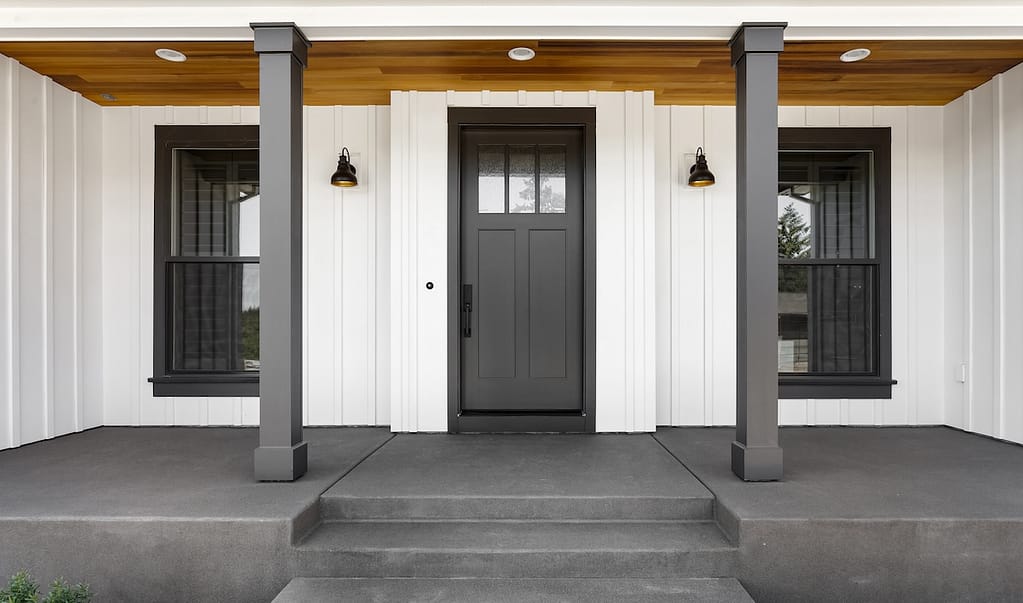
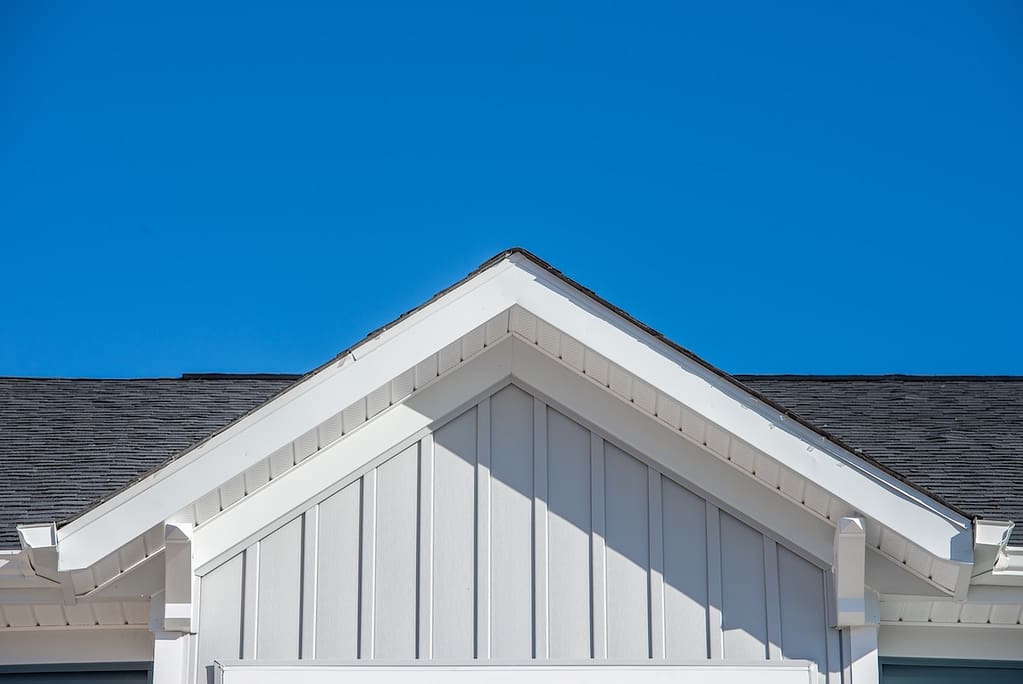
Vertical siding panels give homes a fresh, upscale look that’s equally suited to traditional and contemporary designs. Many homeowners use Hardie Panel siding for accent walls, gables, or full-house coverage to create clean, eye-catching lines.
- Design flexibility: Complements horizontal lap siding or stone veneers.
- Distinct texture options: Choose between smooth, cedar mill, or stucco finishes.
- Custom colors: Available in dozens of factory-applied hues through Hardie’s ColorPlus Technology.
Energy Efficiency and Sustainability
Looking toward 2026, energy-efficient building materials continue to be a top priority for homeowners. Hardie Panel siding contributes to better insulation performance when installed with proper underlayment and helps reduce long-term maintenance waste.
- Sustainable materials: Made from renewable resources like cellulose fibers.
- Cool surface options: Lighter colors reflect sunlight to improve comfort.
- Low replacement frequency: Reduces long-term environmental impact.
Low Maintenance Requirements
Unlike wood siding that requires repainting or staining every few years, Hardie Panel vertical siding maintains its color and structural integrity with minimal upkeep.
- No rotting or swelling: Handles moisture without deteriorating.
- Easy cleaning: Simply rinse with water and mild soap once or twice a year.
- Factory finish protection: ColorPlus coating resists peeling, chipping, and fading.
These qualities make it ideal for busy homeowners who want beauty without constant upkeep.
6 Reasons Homeowners Choose Hardie Panel Vertical Siding
Homeowners across Pennsylvania continue to choose Hardie Panel vertical siding for both aesthetic and performance-driven reasons.
- Longevity: With a lifespan of up to 50 years, it far outlasts wood and vinyl alternatives.
- Durability: Fiber cement construction resists moisture, pests, and extreme temperatures.
- Low upkeep: Requires minimal cleaning and virtually no repainting.
- Fire resistance: Non-combustible materials improve home safety.
- Curb appeal: Vertical lines create a distinctive, high-end look.
- Warranty coverage: Backed by a 30-year limited warranty from James Hardie.
By combining resilience, beauty, and minimal maintenance, Hardie Panel remains one of the most reliable siding investments homeowners can make heading into 2026.
Comparing Hardie Panel to Other Siding Materials
| Siding Type | Average Lifespan | Maintenance Level | Average Cost Range (per sq. ft.) | Aesthetic Appeal |
| Hardie Panel (Fiber Cement) | 40–50 years | Low | $8.50–$21 | Modern and timeless |
| Vinyl Siding | 20–30 years | Low to moderate | $5.75–$15 | Versatile but less durable |
| Wood Siding | 20–35 years | High | $21–$27 | Natural and traditional |
| Aluminum Siding | 30–40 years | Moderate | $8–$14 | Durable but prone to dents |
Hardie Panel’s combination of longevity and aesthetics keeps it competitive even as new materials enter the market.
Maintenance Tips for Hardie Panel Vertical Siding
To keep your siding looking its best through 2026 and beyond, follow a few simple maintenance practices.
Cleaning and Inspection
- Rinse annually: Remove dirt and grime using a garden hose or low-pressure washer.
- Avoid harsh cleaners: Use mild soap and a soft brush for stubborn spots.
- Inspect caulking and joints: Reapply sealant as needed to prevent water infiltration.
Repainting and Refinishing
Hardie’s ColorPlus Technology offers fade-resistant finishes, but repainting may be necessary after 15 to 20 years, depending on exposure.
- Use 100% acrylic paint: Designed for fiber cement surfaces.
- Clean before painting: Remove dust and debris to ensure adhesion.
Avoid Moisture Traps
- Keep vegetation trimmed: Prevent plants from touching the siding.
- Ensure proper drainage: Check that gutters and downspouts direct water away from the walls.
- Maintain clear ground clearance: Leave a few inches between siding and soil or mulch.
These simple measures help maintain the siding’s appearance and integrity for decades.
Future Outlook: Is Hardie Panel Siding Still Worth It in 2026?
As 2026 approaches, Hardie Panel vertical siding remains one of the most future-ready exterior options available. With sustainability, energy efficiency, and modern design driving homeowner preferences, fiber cement siding continues to outperform competitors in both style and longevity.
Why It’s a Smart 2026 Investment
- Resilient against climate shifts: Handles intense temperature swings and moisture variations.
- Compatible with green building standards: Meets modern environmental expectations.
- Long-term savings: Minimal maintenance costs offset the initial investment.
For homeowners updating their properties before 2026, Hardie Panel siding offers immediate benefits and future-proof performance.
The Future of Home Exteriors Is Fiber Cement
Hardie Panel vertical siding continues to set the standard for strength, sustainability, and design appeal. As 2026 approaches, it remains one of the smartest investments homeowners can make to protect and enhance their homes. Its long lifespan, minimal maintenance, and modern aesthetic make it well worth the cost — today and well into the future.
If you’re in Chadds Ford or the surrounding areas, contact O’Donnell Roofing Co. today for a free Hardie Panel siding consultation and estimate. Our experts will help you design and install a siding system that elevates your home’s appearance and performance for years to come.