When choosing siding for your home, the decision involves more than just curb appeal. Homeowners need to consider long-term durability, maintenance, cost, and how well each option performs in their local climate. The debate between Hardie board vs vinyl siding is one many homeowners face, as both are widely used and offer distinct advantages. Understanding the differences is essential before making a decision that will impact your home’s appearance, value, and performance for years to come.
In this article, we’ll explore the key differences between Hardie board and vinyl siding. We’ll cover how each material performs over time, what you can expect in terms of maintenance, how much it costs up front and in the long run, and how it might affect the resale value and appearance of your home. If you’re weighing your options for a siding upgrade or a new build, this guide will help you make an informed decision based on performance, budget, and your specific needs.
Key Takeaways
- Hardie board is more durable and fire-resistant, but it typically costs more and may require occasional repainting.
- Vinyl siding is more affordable and low-maintenance, but it may not perform as well in extreme weather conditions.
- Hardie board can enhance curb appeal with a more wood-like finish, potentially adding value in higher-end markets.
- Vinyl siding comes in a wide variety of styles and colors, and is often easier and quicker to install.
- Your local climate, budget, and maintenance preferences should drive your decision between these two materials.
What is Vinyl Siding?
Vinyl siding is one of the most common exterior materials used on homes across the U.S. It was introduced in the 1950s as an alternative to aluminum siding and has since become a go-to option for homeowners looking for an affordable, low-maintenance solution.
Made from polyvinyl chloride (PVC), vinyl siding is lightweight, moisture-resistant, and available in a wide range of styles and colors. It’s often chosen for its ability to mimic more expensive materials like wood, while offering a lower upfront cost and easier upkeep.
Pros of Vinyl Siding:
- Affordability: Vinyl siding is often the more budget-friendly option compared to alternatives like wood or brick. Its lower initial cost makes it appealing for homeowners looking to save on their exterior renovation budget.
- Low Maintenance: Unlike wood siding, which requires periodic painting or staining, vinyl siding is virtually maintenance-free. It doesn’t rot, peel, or warp, and a simple wash with soap and water keeps it looking fresh for years.
- Variety: Vinyl siding comes in a plethora of colors, textures, and styles, allowing homeowners to achieve the desired aesthetic for their homes. Whether you prefer the look of traditional clapboard or modern vertical panels, vinyl siding offers versatile options.
- Energy Efficiency: Insulated vinyl siding options are available, which can enhance the energy efficiency of your home by providing an additional layer of insulation.
Cons of Vinyl Siding:
- Durability Concerns: While vinyl siding is generally durable, it can be susceptible to damage from extreme weather conditions such as hail or strong winds. High temperatures may also cause it to warp or fade over time.
- Limited Repair Options: Unlike materials like wood, which can be repaired by replacing individual boards, damaged vinyl siding often needs to be replaced entirely, which can be costly and inconvenient.
- Environmental Impact: The production and disposal of vinyl siding can have environmental consequences due to the use of PVC, a non-biodegradable material, and the potential release of toxins during manufacturing and incineration.
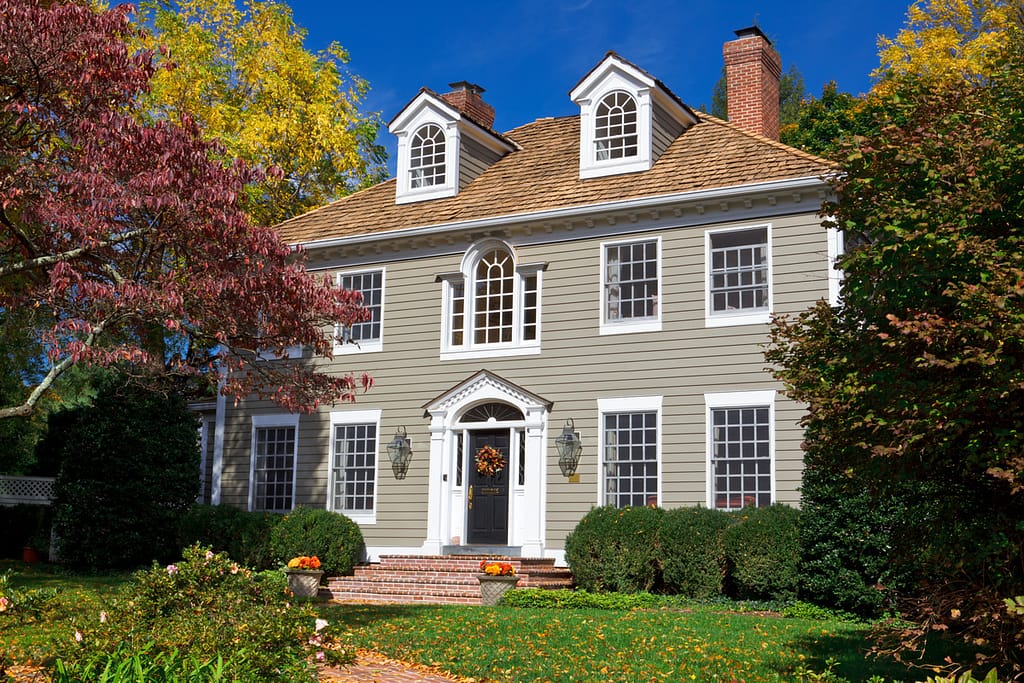
What is Hardie Board Siding?
Hardie board siding, also known as fiber cement siding, is a highly durable exterior cladding material made from a blend of cement, sand, and cellulose fibers. It was developed by James Hardie, a company recognized as a leader in fiber cement technology. Hardie board is designed to offer the appearance of traditional wood siding with the added benefits of enhanced strength and resistance to the elements.
This type of siding is popular among homeowners looking for a long-term, low-maintenance solution that doesn’t compromise on curb appeal. It’s especially well-suited to homes in regions with extreme weather, high humidity, or wildfire risk due to its robust performance under pressure.
If you’re weighing Hardie board vs vinyl siding, it’s important to understand the key advantages and potential limitations of this material before deciding for your home.
Pros of Hardie Board Siding:
- Durability: Hardie board siding is exceptionally durable, capable of withstanding harsh weather conditions, including hurricanes, heavy rain, and extreme temperatures. It’s resistant to rot, termites, and fire, making it a popular choice for homeowners in diverse climates.
- Low Maintenance: Similar to vinyl siding, Hardie board requires minimal maintenance. It doesn’t need to be painted as frequently as wood siding and is resistant to fading, chipping, and warping.
- Aesthetics: Hardie board siding offers the authentic look of wood without the drawbacks. It comes in a variety of textures and finishes, including cedar-like shakes and smooth panels, allowing homeowners to achieve the desired architectural style for their homes.
- Longevity: With proper installation and maintenance, Hardie board siding can last upwards of 50 years, providing excellent value for homeowners over the long term.
Cons of Hardie Board Siding:
- Higher Cost: Compared to vinyl siding, Hardie board siding typically comes with a higher initial cost. The materials themselves are more expensive, and installation may require specialized tools and techniques, increasing overall project costs.
- Installation Challenges: Installing Hardie board siding requires precision and expertise to ensure proper alignment and moisture management. Improper installation can lead to water infiltration and other issues down the line.
- Weight: Hardie board siding is heavier than vinyl siding, which may necessitate additional structural support during installation. This can add to the complexity and cost of the project, particularly for older homes or those with existing structural issues.
Cost Comparison
Cost is often one of the first questions homeowners ask when comparing siding materials. In the Hardie board vs vinyl siding comparison, vinyl is typically the more affordable option upfront, while Hardie board offers additional long-term value through its durability and performance. Your final price will also depend on the complexity of the installation, trim details, and whether your project involves replacing old siding.
Here’s a side-by-side comparison to help you weigh both the short-term and long-term financial considerations:
| Feature | Vinyl Siding | Hardie Board Siding |
|---|---|---|
| Average Cost per Sq. Ft. Installed | $12 – $20 | $20 – $30 |
| Material Cost | Lower | Higher |
| Installation Labor | Faster, less specialized | Requires skilled labor, slower |
| Maintenance Needs | Minimal | Low, but may require repainting |
| Lifespan | 20–30 years | 40–50+ years |
| Weather Resistance | Moderate | High (resists fire, moisture, pests) |
| Resale/Value Impact | Moderate | Higher perceived value |
Vinyl siding is often ideal for homeowners on a tighter budget or for projects where cost and speed are top priorities. Hardie board, while more expensive to install, may prove more economical in the long run, particularly in regions with harsh weather or where durability adds to resale appeal.
Which One Is More Durable?
Durability is one of the most important factors when choosing siding, especially in regions prone to extreme weather, temperature shifts, or potential fire hazards. In the Hardie board vs vinyl siding debate, the material you choose can significantly impact how well your home stands up to long-term wear, how often you’ll need to make repairs, and how long the siding will last before requiring replacement.
Both Hardie board and vinyl siding are built to handle outdoor exposure, but their performance over time can differ significantly. Hardie board is known for its strength and resilience, while vinyl offers more basic protection at a lower cost.
Here’s how the two compare in key durability categories:
| Durability Factor | Hardie Board Siding | Vinyl Siding |
|---|---|---|
| Impact Resistance | High — resists hail, debris, and impact | Moderate — may crack or dent under pressure |
| Fire Resistance | Non-combustible — does not ignite | Melts or warps in high heat or fire |
| Weather Tolerance | Performs well in extreme hot/cold climates | Can warp in heat or become brittle in cold |
| Pest Resistance | Resistant to termites and woodpeckers | Also pest-resistant, but a thinner material |
| Color Retention | Excellent — holds paint well, especially with factory finishes | Prone to fading, especially in darker shades |
| Lifespan | 40–50+ years with proper care | 20–30 years, depending on exposure and upkeep |
In summary, Hardie board offers greater resilience across the board. If your priority is siding that can withstand severe storms, fire exposure, or physical damage, Hardie board siding is the more durable and longer-lasting choice. Vinyl siding may still be suitable for more temperate climates or projects where cost is a higher priority than strength.
How to Choose Between the Two: 5 Factors to Keep In Mind
Deciding between Hardie board vs vinyl siding isn’t just about comparing costs; it’s about finding the best fit for your home, lifestyle, and long-term goals. Both materials offer unique benefits, and understanding how they align with your priorities can help you make a more confident choice. Here are five key factors to help guide your decision.
1) Budget:
Start by determining how much you’re comfortable spending. Vinyl siding typically offers a lower upfront cost, including materials and labor. Hardie board costs more to install but may offer better value over time due to its durability and longevity. Factor in any extras like trim, insulation, or removal of existing siding.
2) Aesthetic Preferences:
Think about the look you want to achieve. Hardie board mimics the appearance of wood and is often used on higher-end or traditional-style homes. Vinyl siding comes in a wider variety of colors and profiles and can be a good match for both classic and contemporary designs.
3) Climate:
Your home’s location plays a major role in siding performance. In areas with harsh winters, frequent storms, or wildfire risk, Hardie board provides better protection. Vinyl performs well in milder climates but may warp in high heat or crack in extreme cold.
4) Maintenance Requirements:
Consider how much time you’re willing to spend maintaining your siding. Vinyl requires very little upkeep, usually just an occasional rinse. Hardie board is also low-maintenance but may need repainting every 10 to 15 years, especially if not factory-finished.
5) Long-Term Value:
Finally, look beyond the short term. Hardie board lasts 40–50 years and may increase resale appeal, especially in areas where durability is a premium. Vinyl siding can last 20–30 years and is often easier to replace if damaged. Think about how long you plan to stay in your home and how much value you’re hoping to preserve or add.
Questions to Ask Your Roofing Contractor
Choosing between Hardie board vs vinyl siding is only part of the process. Ensuring it’s installed correctly is just as important, and that starts with hiring the right contractor. Before committing to a company, take time to ask the right questions. A trustworthy contractor should be able to answer these clearly and confidently.
1. Do you have experience installing both Hardie board and vinyl siding?
Look for a contractor who has specific experience with the material you choose. Ask to see photos of completed projects, and if possible, speak with past clients. Hardie board requires different tools and techniques from vinyl, so hands-on experience is essential
2. Can you provide a detailed cost estimate?
Request a written estimate that includes material costs, labor, removal of old siding (if needed), and any additional expenses like trim or insulation. A transparent quote helps prevent unexpected charges later.
3. What’s the expected project timeline?
Find out how long the job will take, from start to finish. Ask whether weather, permitting, or material availability could delay the process. Setting expectations upfront can help reduce stress once the work begins.
4. What warranties are included?
You’ll want to know what kind of warranty is offered on both the materials and the installation. A reputable contractor should back their work, and most siding products—especially Hardie board—come with manufacturer warranties.
5. What maintenance advice do you offer for this siding?
Whether you choose Hardie board or vinyl, each has its own care requirements. Ask about cleaning, repainting, or repair tips, and whether the contractor offers maintenance services down the line.
Ready to Upgrade Your Home’s Exterior?
When it comes to Hardie board vs vinyl siding, the right choice depends on what matters most to you, whether that’s long-term durability, upfront cost, low maintenance, or aesthetic appeal. Both materials offer unique benefits, and making the best decision starts with understanding how each one performs in real-world conditions.
At O’Donnell Roofing, our siding experts have hands-on experience with both Hardie board and vinyl installations. We’ll walk you through every option, answer your questions honestly, and recommend the solution that fits your home, style, and budget. Whether you’re updating your forever home or prepping a property for resale, we’ll make sure your siding upgrade is built to last and looks great doing it.
Contact our team today to schedule a free consultation and see how we can help transform your home’s exterior.
FAQs
Is Hardie board siding better than vinyl?
Hardie board is generally more durable and fire-resistant than vinyl siding, making it a better choice for long-term performance and harsh climates. However, it comes at a higher upfront cost and requires professional installation, while vinyl is more affordable and easier to maintain.
What are the negatives of Hardie board siding?
Hardie board siding is heavier and more expensive to install than other materials. It may require repainting over time and must be installed carefully to avoid moisture issues, which means labor costs are often higher.
What siding should you avoid in a house?
Low-quality or uninsulated aluminum siding, outdated composite materials, or poorly manufactured vinyl can lead to problems like warping, fading, or water damage. Siding that lacks impact resistance or has no warranty coverage should also be avoided.
What is the most affordable way to side a house?
Vinyl siding is typically the most cost-effective option for homeowners. It offers a low price point, easy installation, and minimal maintenance, making it a practical choice for budget-conscious projects.