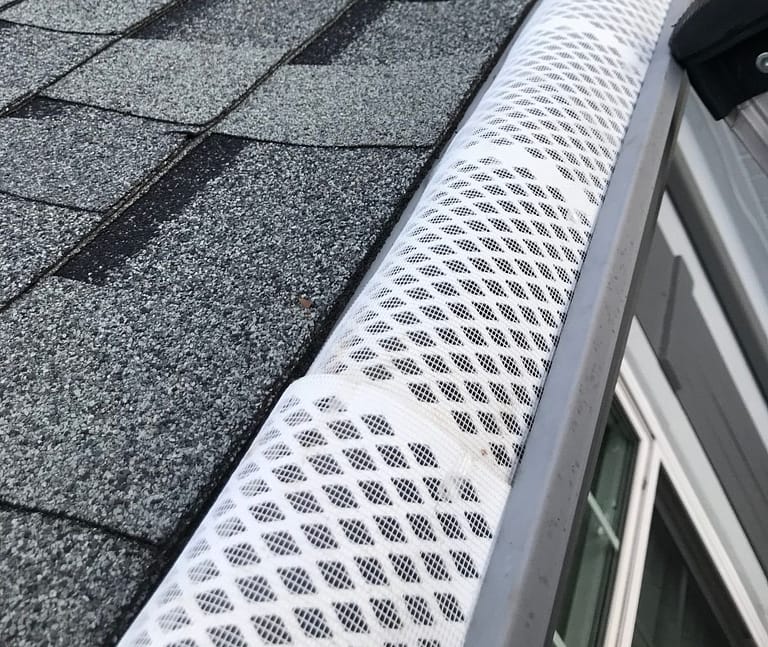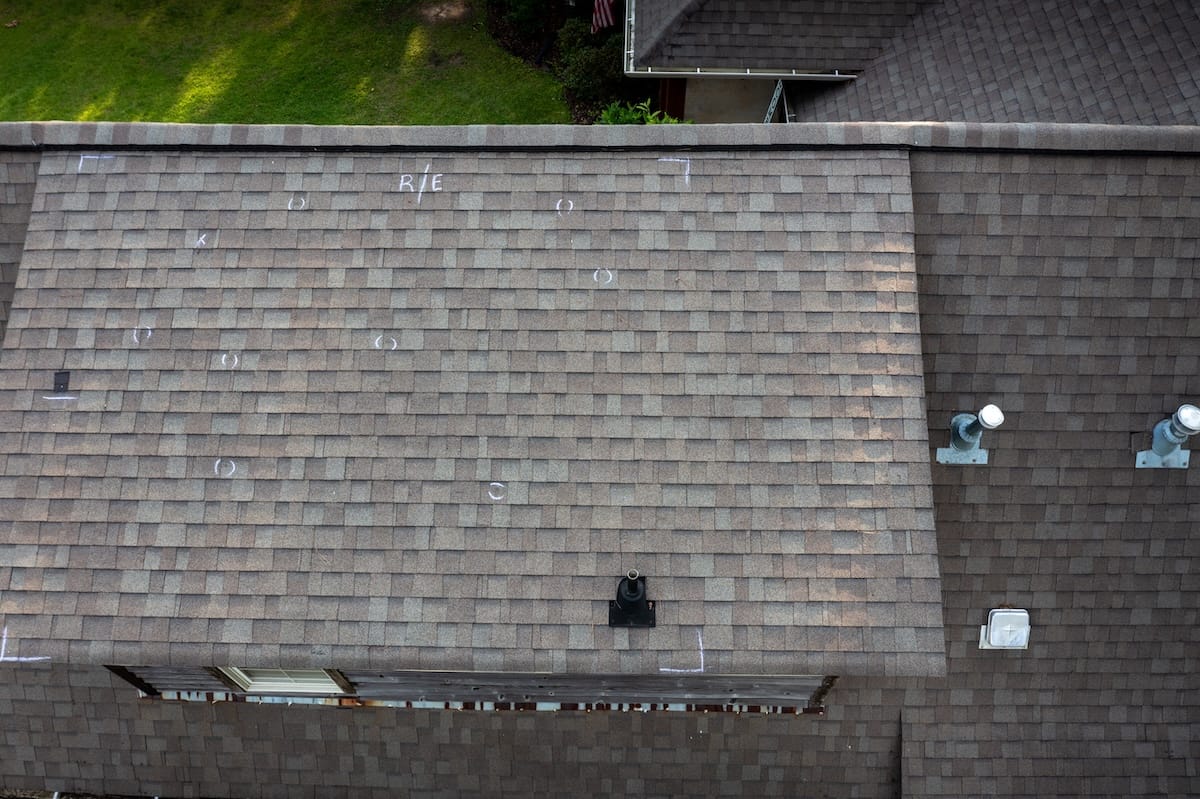
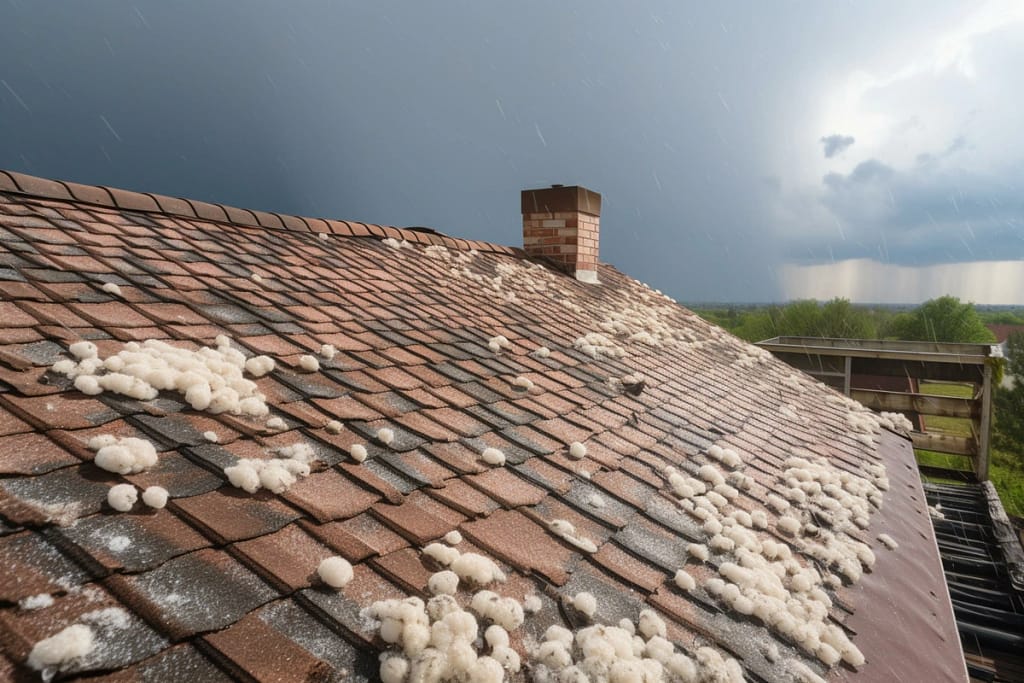
Hail damage roof issues can develop quickly after a storm, making early awareness and proper repair planning essential for protecting your home from long-term damage. The damage caused by hail can range from minor cosmetic issues to severe structural problems. Understanding the different sizes of hail and the potential damage they can cause is essential for homeowners.
Knowing what to dowhen a hailstorm strikes can help save you time and money in repair costs. In this comprehensive guide, we’ll help you understand the various aspects of repairing hail damage to your roof, including:
- The sizes of hail
- Signs of damage
- DIY repair options
- When it’s best to call in a professional roofing contractor
Take control of your roof hail damage today by following the steps in this guide.
Different Sizes of Hail and Their Potential Damage

Hail comes in various sizes, from small pebbles to golf ball-sized and even larger. The size of hail can significantly impact the extent of damage it can cause to your roof.
- Pea-sized hail (1/4 inch): While small, pea-sized hail can still cause damage to your roof. It may not always result in visible dents or cracks, but it can weaken the roof’s protective layers over time. Accumulated damage from multiple hailstorms can lead to larger problems in the long run.
- Marble-sized hail (1/2 inch to 3/4 inch): Hail of this size can begin to cause noticeable damage. It can create dents, bruising, and granule loss on asphalt shingles, weakening their integrity and reducing their lifespan.
- Quarter-sized hail (1 inch): Quarter-sized hail is considered large and can inflict significant damage to your roof. It can cause visible dents, fractures, and granule loss, leaving your roof vulnerable to leaks and water damage.
- Golf ball-sized hail (1.75 inches): This size is capable of causing severe damage, including shattered shingles and exposed underlayment. It often leads to immediate water infiltration and requires urgent repairs.
- Tennis ball-sized hail (2.5 inches) and larger: Hailstones of this size can cause catastrophic damage, puncturing shingles, tearing flashing, and even damaging the structural components of your roof. This level of damage may necessitate a complete roof replacement.
Signs of Hail Damage to Your Roof
Detecting hail damage early is crucial to prevent further deterioration and costly repairs. Here are some signs to look for after a hailstorm:
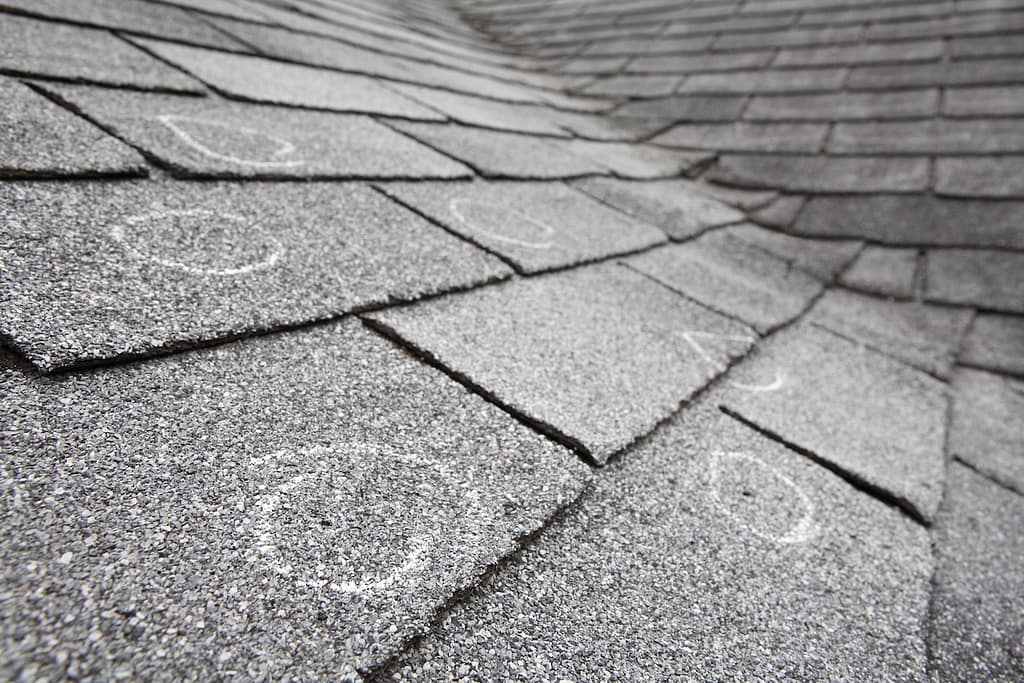
- Dented or cracked shingles: Inspect your roof for visible dents or cracks on the shingles. Irregularities or disruptions in the uniformity of the shingle surface are warning signs.
- Granule loss: Hail can dislodge granules from shingles, exposing them to UV damage. Look for granule buildup in gutters or downspouts.
- Soft spots or bruising: Lightly press on your shingles to check for soft or weakened areas.
- Leaks and water stains: Inspect your attic or ceilings for water stains or active leaks.
- Damaged flashing: Check around chimneys, vents, and skylights for dents, cracks, or tears that could allow water in.
7 Steps to Repair Hair Damage
Repairing hail damage varies in complexity depending on the extent. While minor repairs may be suitable for experienced DIYers, it’s always wise to have a professional inspection first. Attempting DIY repairs without one could void your roof warranty.
1. Gather Your Tools and Materials
Make sure you have:
- Safety gear
- Ladder
- Hammer
- Roofing nails
- Roofing cement
- Replacement shingles
- Caulking gun
2. Prioritize Safety
Wear slip-resistant shoes, use a safety harness, and avoid working alone. Never attempt roof repairs in wet or windy conditions.
3. Assess the Damage
Inspect the roof carefully, taking photographs for documentation and insurance claims. Identify areas with visible damage or vulnerability.
4. Replace Damaged Shingles
Remove damaged shingles with a pry bar. Slide in replacement shingles, secure them with roofing nails, and seal the edges with roofing cement.
5. Repair Flashing
Remove any cracked or torn flashing around roof penetrations. Install new flashing and seal thoroughly with roofing cement to ensure a watertight fit.
6. Seal Soft Spots
Apply roofing cement to any soft or bruised areas to reinforce them. This helps prevent further deterioration.
7. Clear Gutters and Downspouts
Remove debris and granules to maintain proper water drainage and prevent overflow during the next storm.
Will Your Insurance Company Cover Hail Damage Repairs?
Hail damage is usually covered by standard homeowners insurance policies. However, it’s essential to understand your specific coverage and follow the correct steps to file a claim.
- Review Your Policy: Check whether hail damage is listed as a covered peril. Understand your deductible and any exclusions or coverage limits that may apply.
- Document the Damage: Take clear, dated photos and note all affected areas. Save any receipts related to temporary repairs or inspections.
- Contact Your Insurance Company: Report the damage promptly. An adjuster will inspect the roof to verify the damage and determine coverage.
- File a Claim: Once approved, your insurance company will cover repair costs, minus your deductible. Some policies offer full replacement cost, while others pay the depreciated value.
- Tip: In regions prone to hailstorms, like parts of Pennsylvania, some homeowners opt for supplemental hail coverage or policies with a lower deductible for wind and hail claims.
When to Call a Professional Roofing Contractor
DIY repairs might be tempting, but not all hail damage should be handled alone. There are several instances where hiring a professional is the safer, more effective choice.
- Extensive Damage: If multiple roof areas are compromised or the damage affects underlying structures, professional repairs are necessary.
- Insurance Involvement: Professionals can assist with assessments, documentation, and providing estimates for claims.
- Safety Concerns: Navigating steep or slick roofs without training can be dangerous.
- Preserving Warranties: DIY repairs can void warranties from manufacturers or previous installers. A professional ensures repairs are done to spec.
Fix Your Storm Damage Today
Repairing hail damage to your roof isn’t just about patching up dents – it’s about protecting your home for the long run. Whether you experienced a storm in 2025 or want to be prepared for what 2026 brings, fast action is your best defense.
If you suspect hail damage or want a full inspection after a recent storm, reach out to O’Donnell Roofing Co. Our trusted team serves Chester County and surrounding areas with expert assessments, quality repairs, and transparent service from start to finish.
Contact us today to schedule your free hail damage roof inspection and get the support your home deserves.