If you’re planning a commercial or modern residential project, flat roof skylights can be an excellent way to bring in natural light while enhancing interior comfort and energy efficiency. Skylights are often associated with pitched roofs, but they’re just as beneficial, and increasingly common, on flat or low-slope roof systems.
Whether you’re in Devon or surrounding areas, where natural lighting is appreciated in both commercial and high-end residential buildings, skylights on flat roofs offer aesthetic and practical value when installed correctly.
In this guide, we’ll cover:
- What flat roof skylights are and how they function
- Six pros and cons to consider before installing
- Placement and installation tips to avoid problems
Let’s start with the basics of what makes skylights work on flat roofs.
What Are Flat Roof Skylights?
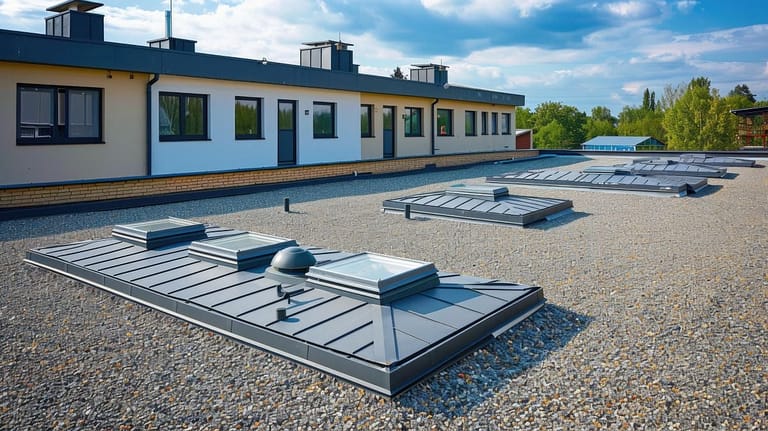
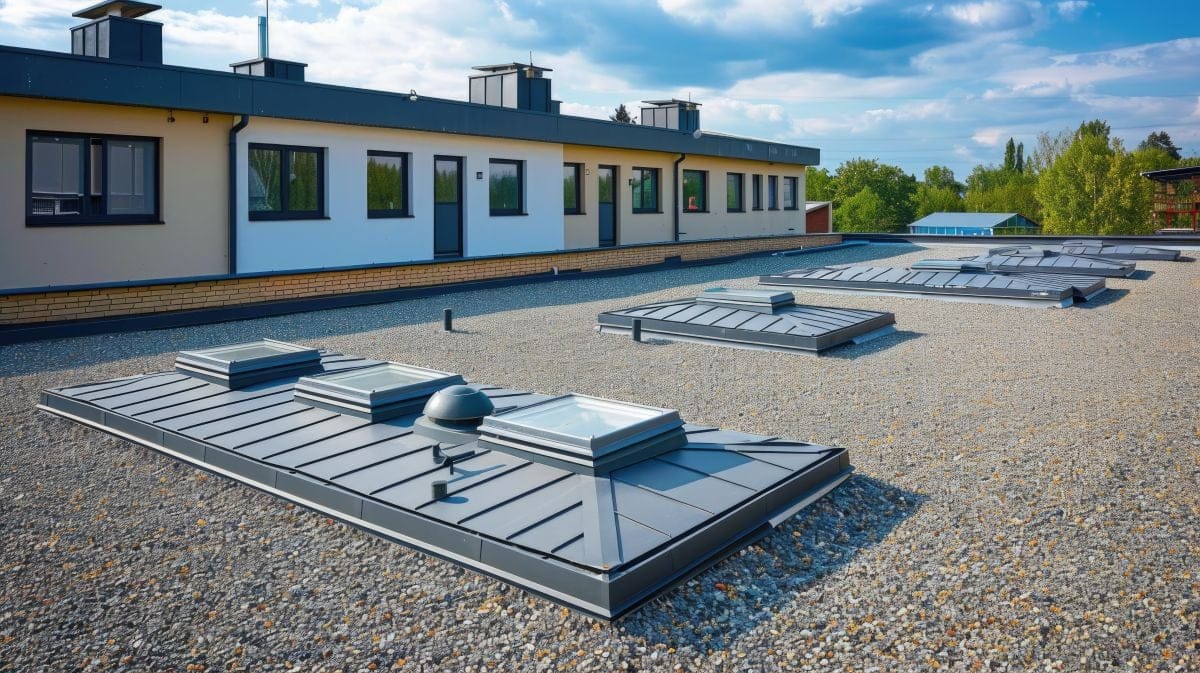
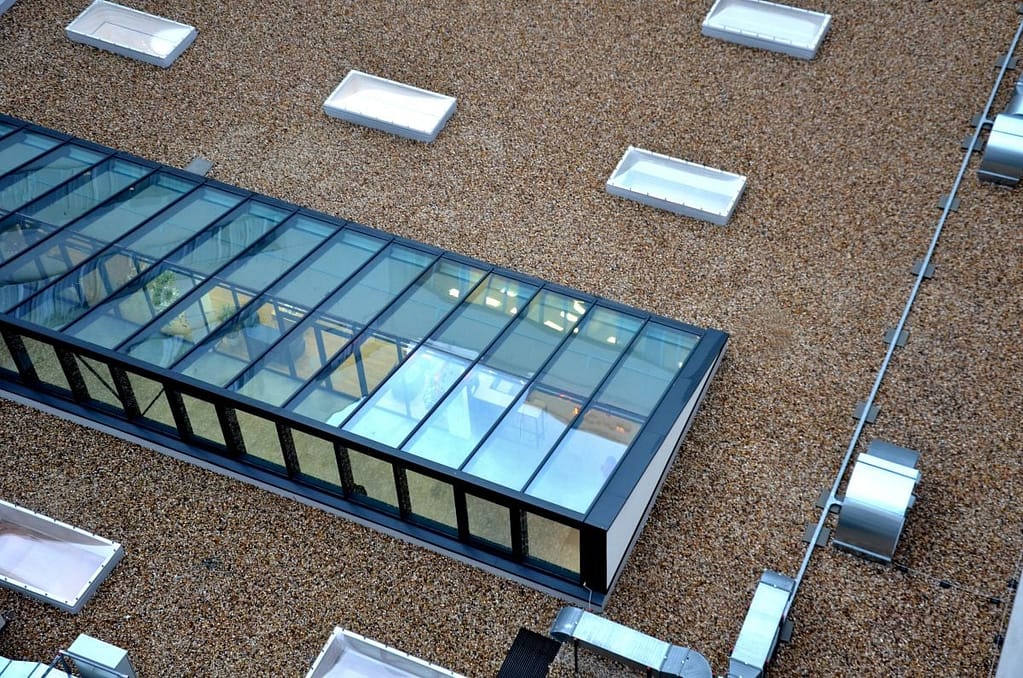
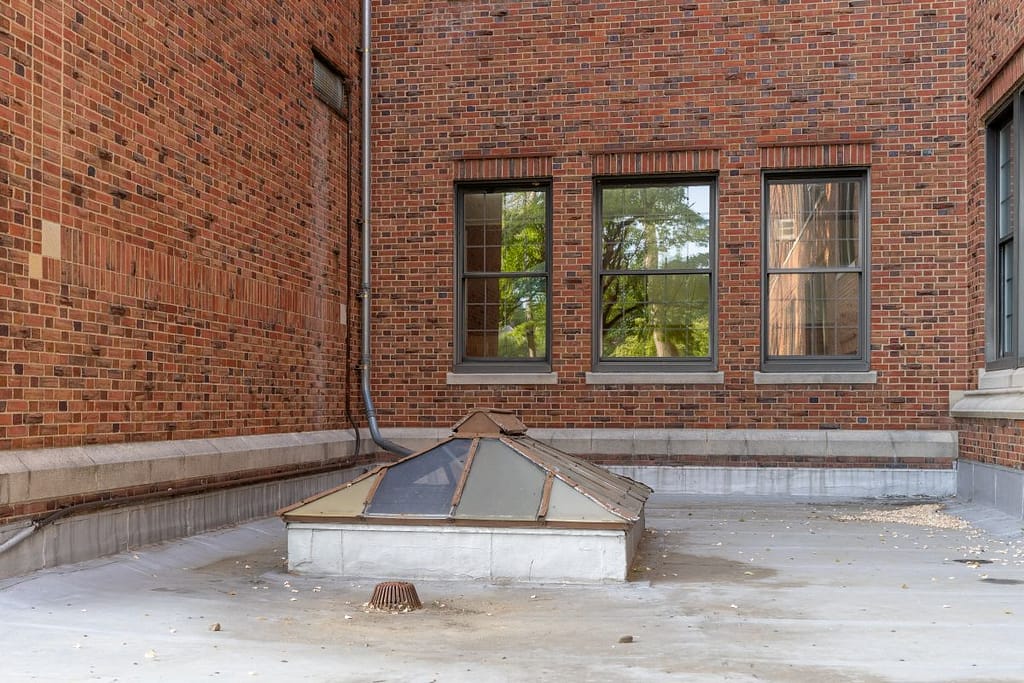
Flat roof skylights are specially designed windows installed into flat or low-slope roofing systems. They are typically raised above the roof surface using curbs to help manage water runoff and prevent pooling. Most are sealed with waterproof flashing and glazing systems to prevent leaks.
There are a few types available:
- Fixed skylights: Non-opening units designed solely for light.
- Ventilating skylights: Can open manually or automatically for airflow.
- Tubular skylights: Use reflective tubes to direct light into tight or hard-to-reach areas.
- Walkable skylights: Reinforced glass options suitable for decks or commercial rooftops.
Flat roof skylights need to be installed with care, using curbs and flashing systems compatible with the roofing membrane. Materials like PVC, TPO, and EPDM require specific techniques to ensure a long-lasting, watertight seal.
6 Pros and Cons of Flat Roof Skylights
Installing skylights on a flat roof can transform the functionality and appearance of your space, but the decision requires careful planning. Before moving forward, it’s important to understand the key benefits and limitations of this upgrade.
1. Natural Light and Aesthetic Value
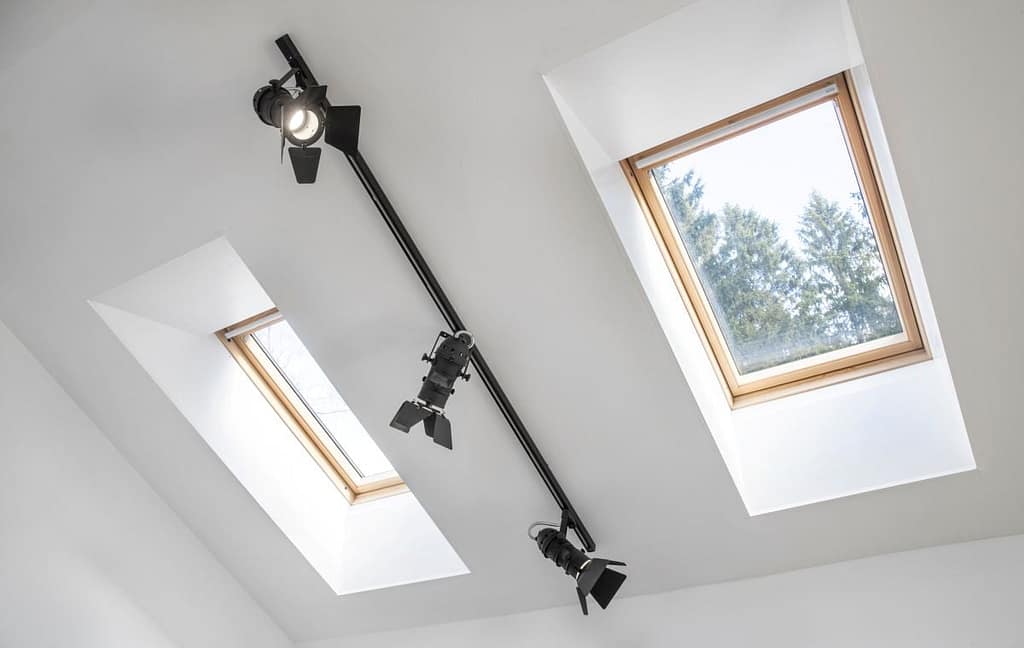
Pro: Skylights flood spaces with daylight, reducing the need for artificial lighting. This enhances ambiance, makes interiors feel larger, and creates more welcoming commercial environments.
Impact: Great for office spaces, studios, bathrooms, and central corridors that don’t have access to exterior windows.
2. Energy Efficiency
Pro: Properly placed and energy-rated skylights can reduce lighting costs and improve temperature regulation.
Con: Poor-quality units or incorrect placement may lead to heat loss in winter or heat gain in summer.
Impact: To get the most benefit, use double- or triple-glazed skylights with low-e coatings and thermal breaks.
3. Ventilation and Indoor Air Quality
Pro: Operable skylights can vent hot air, steam, or stale air—especially useful in kitchens, bathrooms, or manufacturing environments.
Impact: Reduces reliance on HVAC systems and promotes a healthier indoor climate.
4. Design Flexibility
Pro: Skylights can be used in large commercial buildings, modern residential homes, or multi-use spaces to create architectural focal points.
Impact: They complement minimal or industrial designs and open-plan interiors by breaking up flat ceilings with sky views and natural texture.
5. Potential for Leaks
Con: Flat roof skylights are more prone to leaks than those on pitched roofs if not installed correctly.
Impact: All skylights must be elevated on curbs and flashed using techniques designed for your roofing membrane. Poor installation is the number one cause of leaks.
6. Cost and Maintenance
Con: Skylights are an investment. The units themselves are not inexpensive, and installation on flat roofs is more complex than on pitched ones.
Impact: Over time, however, the benefits of natural light and ventilation can offset the initial costs. Occasional cleaning and checking seals for wear are necessary to extend lifespan.
Placement Tips for Flat Roof Skylights
Skylight placement is just as important as the unit itself. Here are a few tips to maximize performance and minimize issues:
- Raise skylights above the roofline: Mount skylights on curbs that elevate them at least 4 to 6 inches above the roof. This prevents pooling water from collecting around the frame. In snowy climates, consider taller curbs to prevent ice and snow buildup.
- Avoid low points and drainage paths: Never place skylights in roof valleys or near drainage outlets. Water should flow away from skylight curbs, not toward them. Incorrect placement increases the risk of leaks.
- Consider interior use: Install skylights above rooms that would benefit most from natural light or ventilation, such as bathrooms, hallways, or common areas. In commercial buildings, they are especially effective in conference rooms or collaborative spaces.
- Check roof structure and framing: Ensure the roof can support the skylight’s weight. Larger units may require additional structural reinforcement. A qualified contractor should evaluate and adjust framing as needed.
- Use compatible flashing materials: The flashing must match your roofing membrane. For example, EPDM, TPO, and modified bitumen all require specific materials and methods to ensure waterproofing. Incorrect flashing is one of the most common sources of skylight leaks.
- Factor in solar gain and orientation: South-facing skylights provide maximum daylight but can increase interior heat. North-facing units offer softer, more consistent light. Consider the sun’s position throughout the year when choosing placement.
Flat Roof Skylight Installation Process
Here’s what you can expect during the installation process:
- Consultation and Roof Inspection: A roofing contractor will evaluate the roof condition, structure, and appropriate skylight types.
- Unit Selection and Customization: Choose fixed, vented, or tubular skylights based on lighting needs, room size, and design goals.
- Curb and Frame Construction: The installer will cut roof decking and build a watertight curb that integrates with your membrane system.
- Flashing and Sealing: Flashing is installed around the curb to tie it into the roof and ensure no water intrusion.
- Skylight Mounting: The skylight is mounted and secured to the curb, then sealed with additional flashing and waterproofing as needed.
- Interior Finishing: Light wells or interior framing is added depending on ceiling height and design preferences.
A properly installed skylight on a flat roof will last 20 years or more with minimal maintenance.
Are Flat Roof Skylights Worth It?
Flat roof skylights offer a powerful combination of beauty and functionality. With the right design and placement, they can reduce energy costs, boost mood, and elevate the entire look and feel of a space.
However, success comes down to proper product selection and skilled installation. Water issues almost always trace back to corners being cut on flashing, curbs, or membrane integration.
Contact us today for a skylight consultation and make the most of your flat roof with bright, efficient, and elegant design solutions.