Flat roof materials play a critical role in the performance, longevity, and appearance of modern buildings. Known for their clean lines and space-maximizing design, flat roofs are increasingly popular in both residential and commercial roofing applications across the Philadelphia area.
Whether you’re planning a new installation or replacing an aging roof, choosing the right flat roof material is key to avoiding costly leaks, energy inefficiencies, and frequent maintenance issues.
In this guide, we’ll explore the most common flat roof materials,including EPDM, TPO, PVC, built-up roofing, and modified bitumen so you can compare their pros, cons, costs, and ideal applications.
By the end, you’ll be equipped to choose the best material for your flat roof based on climate, budget, and long-term performance.
Key Takeaways
- Flat roofs offer a modern, space-efficient solution ideal for both homes and commercial buildings.
- Choosing the right flat roof material impacts your roof’s durability, energy efficiency, and maintenance costs.
- This guide compares the top roofing systems: EPDM, TPO, PVC, BUR, and modified bitumen.
- You’ll learn how to evaluate each option based on local climate, project type, and long-term performance.
What is a Flat Roof?
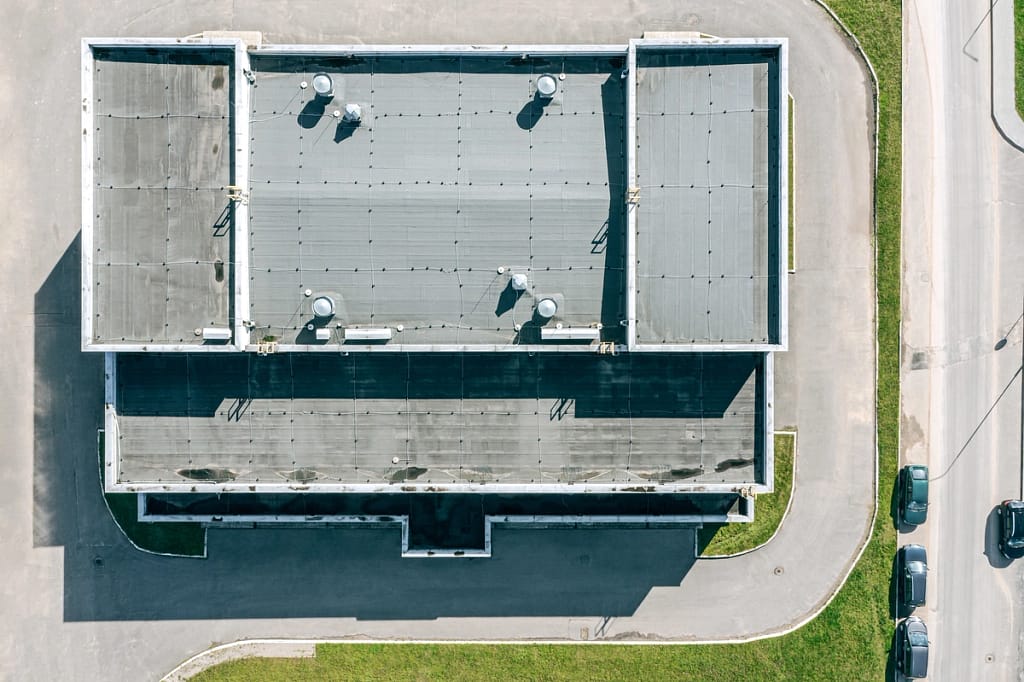
A flat roof, as the name suggests, is characterized by its nearly horizontal or slight slope design. Unlike traditional pitched roofs that shed water easily, flat roofs require proper drainage systems to prevent water pooling, which can lead to leaks and structural damage.
Flat roofs are commonly found in commercial buildings, modern homes, and urban dwellings, offering contemporary aesthetic and functional advantages such as rooftop gardens, solar panel installations, and outdoor living spaces.
What Makes Flat Roofs Different?
Flat roofs differ from pitched roofs in several aspects:
- Minimal Slope: While pitched roofs have a noticeable slope to facilitate water runoff, flat roofs have a minimal slope or are entirely horizontal. This design requires efficient drainage systems to prevent water accumulation.
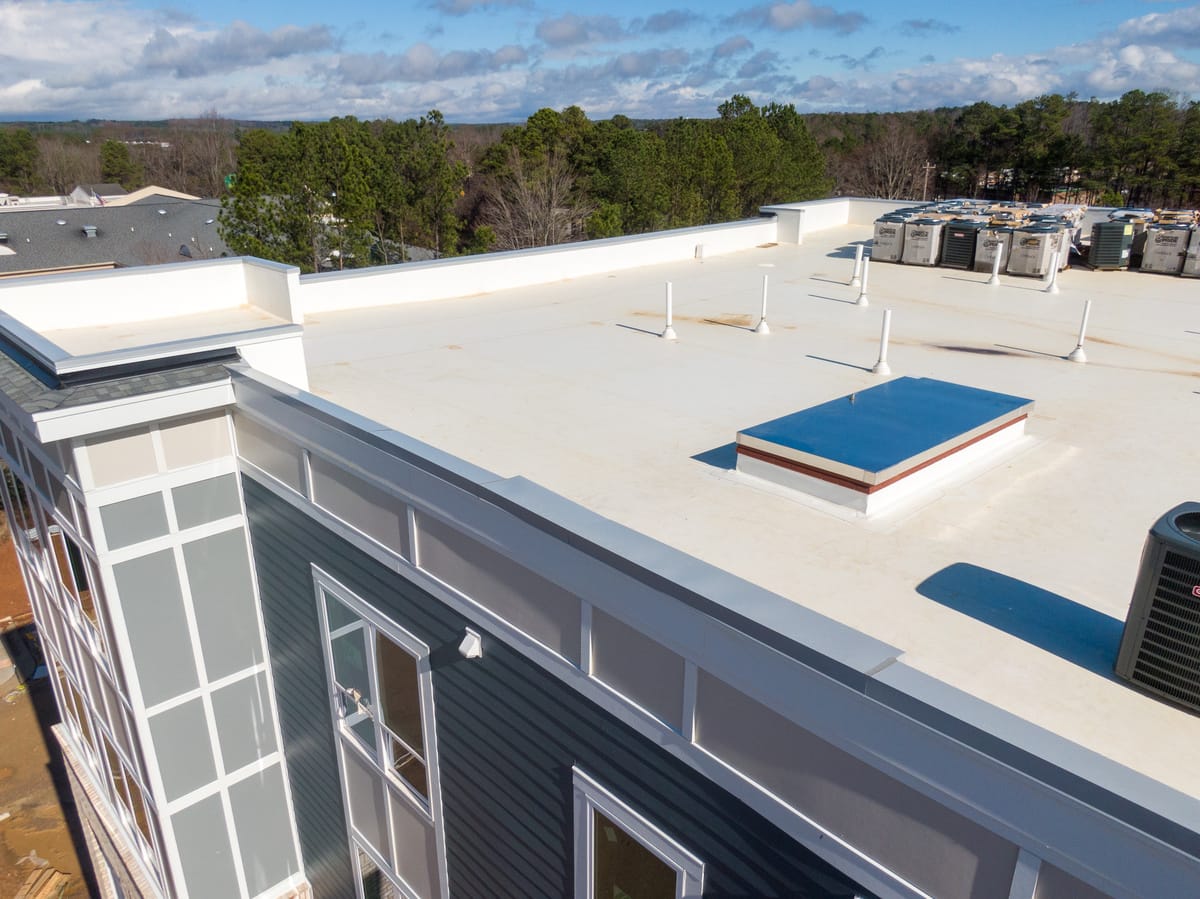
- Space Utilization: Flat roofs offer valuable space for various purposes, such as installing HVAC units, solar panels, rooftop gardens, and recreational areas. This versatility makes them popular in urban environments where space is limited.
- Construction Complexity: Building a flat roof requires careful planning and implementation of waterproofing measures to prevent leaks. Proper insulation and ventilation are also crucial to maintain energy efficiency and indoor comfort.
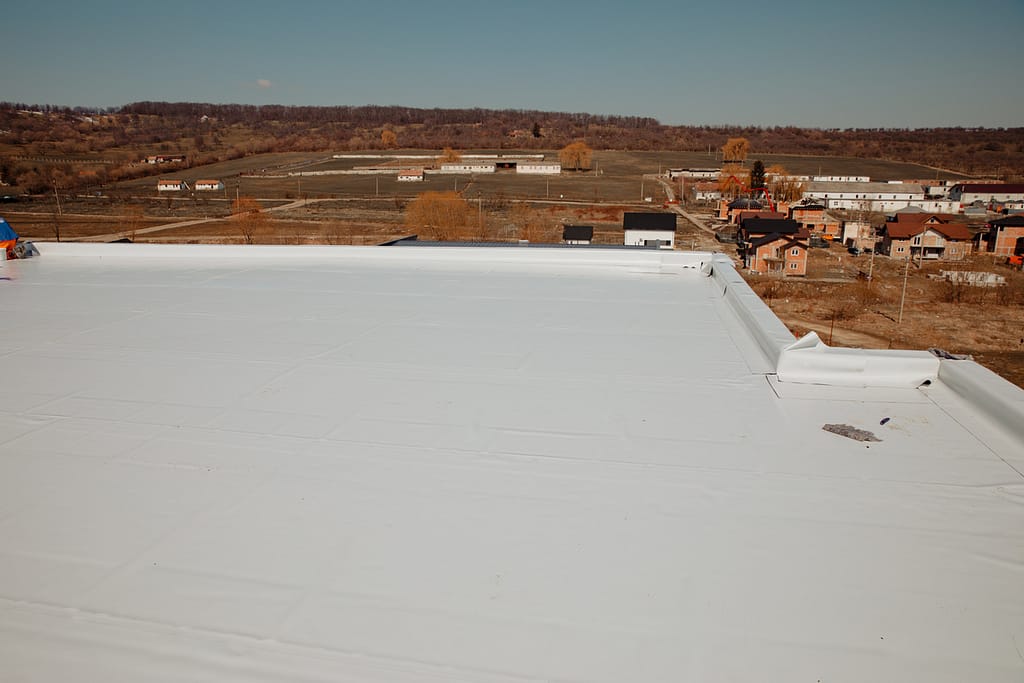
5 Different Flat Roof Materials
With so many options on the market, choosing the right flat roof material can feel overwhelming. Each material comes with its own strengths, weaknesses, and ideal use cases; what works for a large commercial building might not be the best choice for a small residential addition.
In the following section, we’ll break down the five most commonly used flat roof materials, including how they perform, what they cost, and where they’re most effective. Whether you’re prioritizing energy efficiency, durability, or ease of maintenance, this comparison will help you make an informed decision for your property.
| Material | Lifespan | Key Benefits | Installation Type | Best For |
|---|---|---|---|---|
| Built-Up Roofing (BUR) | 15–25 years | Multiple waterproofing layers, durable, fire-resistant | Hot-applied with a gravel top | Long-term performance for residential or commercial roofs |
| Modified Bitumen | 20–30 years | Flexible, UV-resistant, good in extreme climates | Torch-down, peel-and-stick | Climate-affected regions; enhanced durability needed |
| EPDM (Rubber) | 20–30 years | Easy to install, highly weather-resistant, and low cost | Adhered or ballasted rolls | Budget-friendly low-slope roofs, green roof systems |
| TPO | 15–25 years | Energy-efficient, reflective, chemically resistant | Heat-welded seams | Eco-conscious buildings; commercial flat roofs |
| PVC | 20–30+ years | Fire-retardant, chemical-resistant, low-maintenance | Heat-welded seams | Fire-retardant, chemical-resistant, low-maintenance |
How to Choose the Right Flat Roof Material
Not all flat roof systems are created equal, and choosing the wrong one could lead to costly repairs, poor energy performance, or early failure.
Whether you’re replacing an aging roof or planning a new build, selecting the right flat roof material means weighing more than just the price tag. Factors like climate, lifespan, installation complexity, and even curb appeal can significantly impact your decision.
Below, we’ll walk you through the key things to consider before committing to a flat roof material so you can make the smartest choice for your property and your budget.
Climate Compatibility
Why it matters: Materials perform differently based on temperature swings, UV exposure, and precipitation.
What to consider:
- EPDM works well in cold climates due to its flexibility.
- TPO and PVC have reflective surfaces that perform best in sunny, hot climates.
- Modified Bitumen is highly durable in areas with temperature extremes.
Durability & Lifespan
Why it matters: A roof’s longevity can affect your long-term maintenance costs and peace of mind.
What to consider:
- BUR and PVC typically last 20–30 years with proper care.
- Consider puncture resistance if the roof will be walked on or have equipment installed.
Installation Complexity
Why it matters: Some materials require specialized installation tools or methods, which can increase labor costs.
What to consider:
- Modified Bitumen often requires torch-down or peel-and-stick methods.
- EPDM and TPO are available in large sheets, which can speed up installation but may require professional help.
Cost (Initial + Long-Term)
Why it matters: Flat roof systems vary widely in both upfront and lifetime costs.
What to consider:
- Factor in installation, repairs, and energy savings.
- EPDM is one of the most budget-friendly options, while PVC has higher upfront costs but long-term durability.
Energy Efficiency
Why it matters: Reflective materials can significantly lower cooling costs in hot climates.
What to consider:
- TPO and PVC are highly reflective and ENERGY STAR® rated.
- Darker materials like EPDM absorb heat, which may benefit colder climates but raise summer energy bills.
Aesthetics & Curb Appeal
Why it matters: A visible flat roof can affect the look and feel of your building.
What to consider:
- Choose a color or texture that complements your exterior.
- PVC and TPO often come in white or light grey for a modern look.
Signs That You Need to Replace Your Flat Roof
Over time, flat roofs may deteriorate due to weather exposure, aging, and inadequate maintenance. Here are some common signs indicating the need for roof replacement:
- Leaks: Water stains or dampness on interior ceilings or walls indicate roof leaks that require immediate attention.
- Cracks and Blisters: Visible cracks, blisters, or bubbles on the roof surface may indicate underlying damage or membrane failure.
- Pooling Water: Standing water on the roof surface due to poor drainage or structural sagging can lead to leaks and structural issues.
- Membrane Damage: Tears, punctures, or deterioration of roofing membranes compromise the waterproofing integrity of the roof system.
- Sagging or Uneven Surface: Structural issues such as sagging or uneven roof surfaces indicate underlying problems with the roof deck or support structure.
- Increased Energy Costs: Poorly insulated or damaged roofs can result in higher energy bills due to heat loss or excessive cooling requirements.
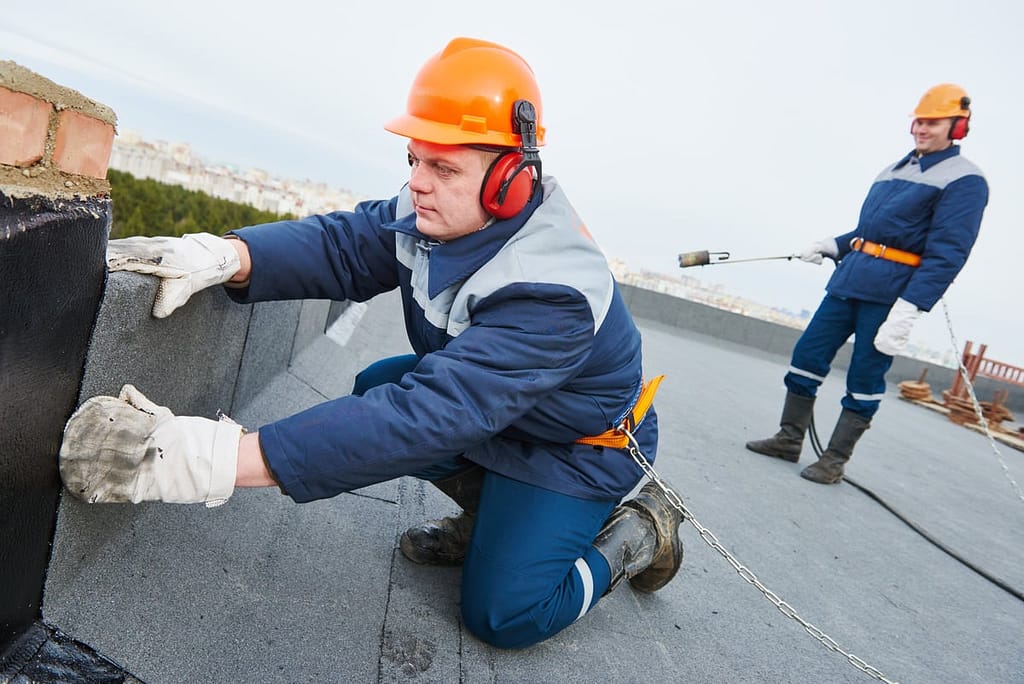
Cost of Flat Roof Replacement
The cost of replacing a flat roof depends on various factors, including the size of the roof, choice of materials, labor costs, and any additional repairs or modifications required. On average, the cost of flat roof replacement ranges from $8 to $20 per square foot, with additional expenses for insulation, flashing, and drainage systems.
Complex roof designs or steep access may incur higher labor costs. It’s essential to obtain multiple quotes from reputable roofing contractors and consider the long-term value and performance of different roofing materials before making a decision.
How to Take Care of a Flat Roof
Proper flat roof maintenance isn’t optional; it’s essential if you want to avoid leaks, preserve your warranty, and maximize the life of your roofing investment. Because flat roofs don’t drain like pitched ones, they’re more prone to water pooling, membrane damage, and hidden leaks.
Here’s how to protect your flat roof year-round:
1. Schedule Routine Roof Inspections
What to do: Check your flat roof at least twice a year (spring and fall), plus after major storms.
What to look for:
- Cracks, bubbling, or soft spots in the membrane
- Separated seams or flashings
- Ponding water near drains or HVAC units
- Debris buildup around roof penetrations
2. Keep the Surface Clean and Clear
Leaves, twigs, trash, and even algae can trap moisture and cause membrane breakdown.
Action steps:
- Sweep or blow off debris monthly
- Clean gutters and downspouts to maintain proper flow
- Remove standing water within 48 hours
3. Trim Overhanging Trees
Branches rubbing on your roof can wear down the membrane, especially in wind or snow.
Why it matters:
- Prevents falling limbs from causing punctures
- Reduces moss/mold growth from shade and debris
- Discourages wildlife from nesting on your roof
4. Address Damage Immediately
Flat roofs are more vulnerable to slow, hidden leaks.
What to do:
- Patch small holes or splits right away
- Reseal lifted seams or flashing
- Monitor high-traffic areas for wear
5. Protect and Maintain Your Drainage System
Clogged drains are a leading cause of flat roof failure.
Checklist:
- Test that all drains and scuppers flow freely
- Inspect for standing water after heavy rain
- Consider installing drain guards to catch leaves
6. Hire a Roofing Pro for Annual Maintenance
Some problems only a trained eye can spot.
What’s included in a pro inspection:
- Moisture scans or core sampling
- Sealing joints, flashings, and seams
- Reapplying reflective coatings if needed
Get The Right Flat Roofing Material for You
Selecting the right flat roof materials is critical to the long-term performance, efficiency, and protection of your home or commercial building. With so many options, EPDM, TPO, PVC, and modified bitumen, it’s easy to feel overwhelmed.
At O’Donnell Roofing, we specialize in helping property owners choose the ideal flat roof materials based on climate, budget, and building type. Whether you need durability, energy savings, or minimal maintenance, our experts will guide you to the best solution for your specific needs. Contact us today to get the info you need to make a decision!
FAQs
What is the best material to use for flat roofs?
The best flat roof material depends on your needs. TPO and PVC are great for energy efficiency and commercial use, while EPDM offers affordability and durability for residential projects. Each has unique pros, so the right choice varies by climate, budget, and building type.
What are the three types of flat roofs?
The three most common types of flat roofs are Built-Up Roofing (BUR), Modified Bitumen, and Single-Ply Membranes like EPDM, TPO, or PVC. Each system offers different benefits in terms of cost, durability, and installation method.
What is the cheapest option for a flat roof?
EPDM is typically the most affordable flat roof option. It has a lower installation cost than TPO or PVC and still offers solid durability and weather resistance, making it ideal for cost-conscious homeowners and low-slope residential roofs.
Which is better, EPDM or felt?
EPDM is better than felt in durability, weather resistance, and lifespan. Felt is cheaper but mainly used for small, temporary structures.