

Fascia board replacement cost is a common concern for homeowners facing roof repairs or exterior updates, and knowing what to expect helps you budget with confidence. Whether your fascia has suffered water damage, pest infestation, or general wear and tear, replacing it is crucial for protecting your roof’s structure and maintaining curb appeal. This guide breaks down the factors that affect fascia board replacement cost and helps you understand what homeowners should pay when planning for this essential home improvement. Here is what you will learn:
- What it costs: The 2026 price ranges by material and the factors that drive your total cost.
- When you need it: The signs it is time to replace your fascia boards and what the process involves.
- Who to hire: Why choosing the right roofing team protects your investment.
Understanding these details up front helps homeowners in Springfield and surrounding areas avoid surprises and make a smart decision.
What Is Fascia and Why Does It Matter?
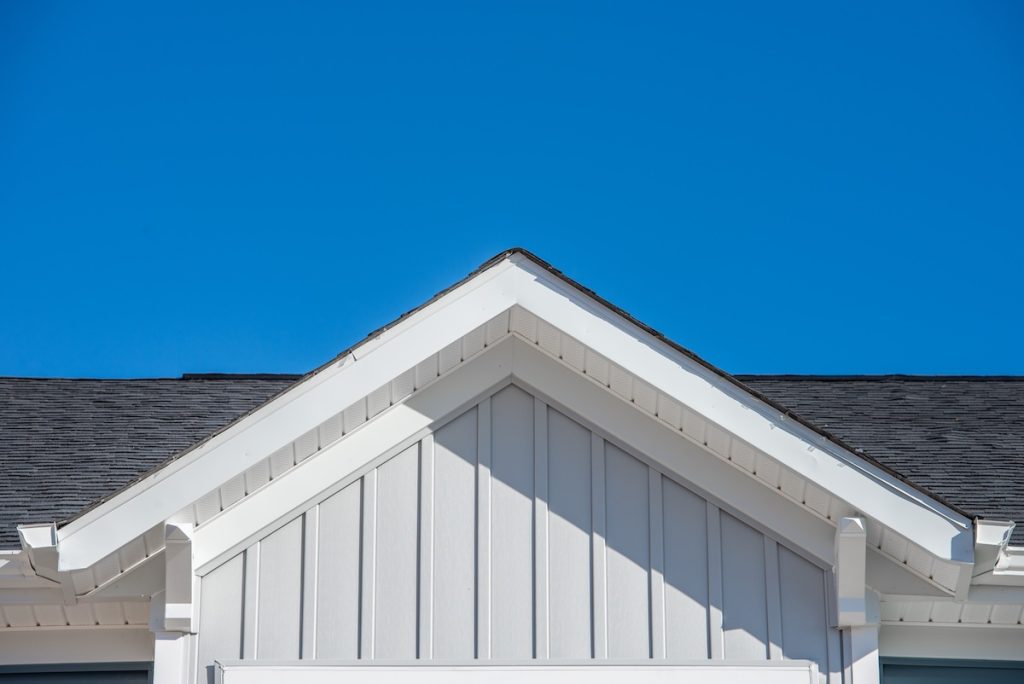
Fascia is a key part of your roofing system that does far more than finish the roofline. Understanding its role helps explain why timely replacement is so important.
The Role of Fascia in Your Roofing System
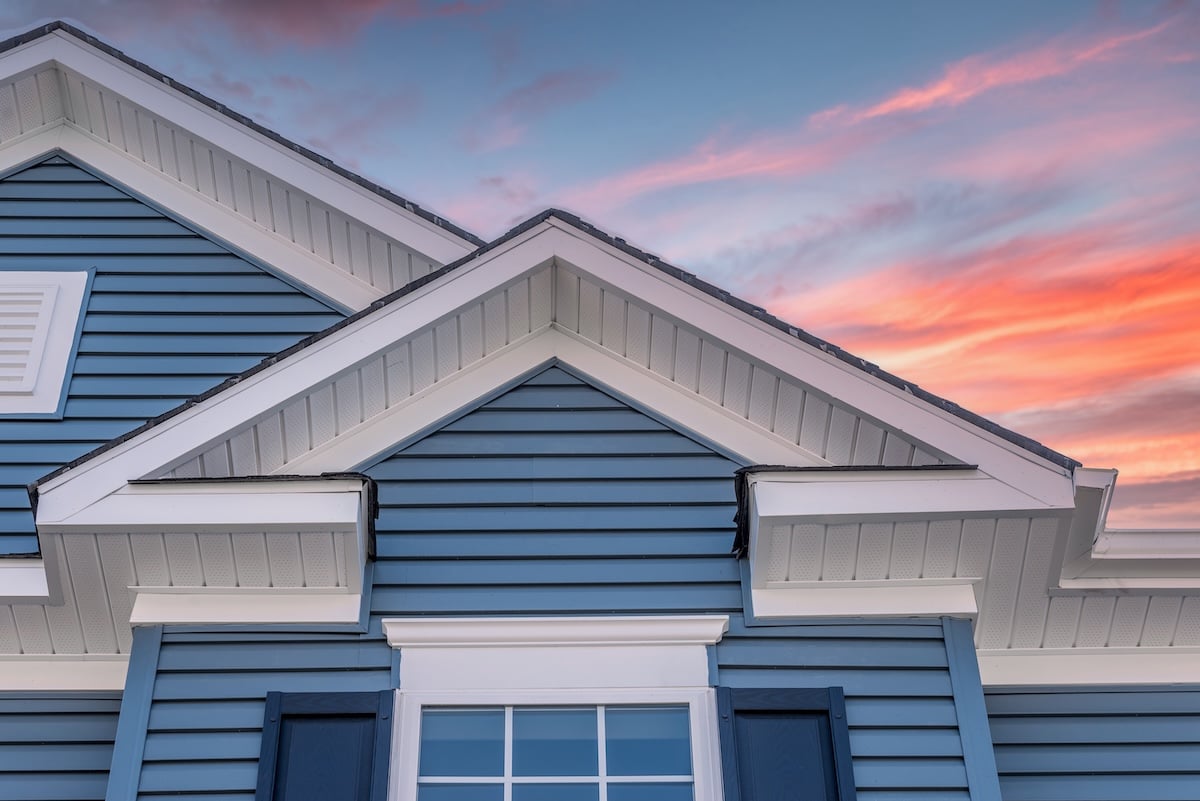
The fascia board is the long, straight board that runs along the lower edge of your roof, mounted where the roof meets the outer walls and often connected to the gutters. Fascia boards are more than just trim; they help protect your home from weather damage and support the roof’s structure, including the weight of the gutter system. When fascia is sound, it seals the roof edge against moisture and pests, while damaged fascia leaves that edge exposed. Recognizing this protective role is the first step in understanding why replacement matters.
- Roofline protection: Fascia seals the lower edge of the roof against weather.
- Structural support: It helps support the roof edge and the gutter system.
- Gutter connection: Gutters typically attach directly to the fascia board.
- More than trim: Fascia is both functional and aesthetic.
What Materials Are Used for Fascia?
Fascia boards come in several materials, each affecting both the replacement cost and the longevity of the finished result. Wood is the traditional and most cost-effective choice but is susceptible to rot and insects without maintenance, while vinyl offers durability and low upkeep with strong resistance to weather and pests. Aluminum provides a clean, finished look that resists rust and corrosion, and composite blends materials for durability and low maintenance at a higher price point. Choosing the right material balances your budget against how much upkeep you want over time.
- Wood fascia: Traditional and cost-effective, but prone to rot and insects if not maintained.
- Vinyl fascia: Durable and low-maintenance, resistant to weathering and pests.
- Aluminum fascia: Clean, finished look that resists rust and corrosion.
- Composite fascia: Durable and low-maintenance, though often more expensive.
Why Can’t Fascia Replacement Be Delayed?
Fascia replacement should not be delayed because compromised boards expose your roofline to water infiltration, mold growth, and structural weakening. Once water gets past the fascia, it can reach the soffit, rafters, and even the siding, turning a modest repair into a far more extensive and expensive one. Pests also exploit damaged fascia as an entry point into the home. Acting promptly when fascia shows damage protects both your roof and your budget in Springfield and surrounding areas.
- Water infiltration: Damaged fascia lets moisture reach the roof structure.
- Spreading damage: Problems can extend to soffits, rafters, and siding.
- Pest entry: Decayed fascia provides an easy path for insects and animals.
- Cost control: Prompt replacement prevents far more expensive repairs.
5 Factors That Influence Fascia Board Replacement Cost
Several variables determine what you will pay for fascia replacement, and understanding them helps you interpret a quote accurately. The five factors below have the biggest impact on your total cost.
1. Size and Scope of the Job
The total linear footage of fascia that needs replacing is a major cost factor, since more material and labor mean a higher total. Homes with larger roof perimeters or more architectural detail, such as multiple gables and eaves, simply have more fascia to address. Most single-story homes have between 100 and 200 linear feet of fascia, while larger or two-story homes can exceed 300 or even 400 feet. Measuring your roofline is the starting point for any accurate estimate.
- Linear footage: More fascia to replace means a higher total cost.
- Roofline complexity: Gables, dormers, and eaves add to the total length.
- Home size: Most homes have 100 to 200 linear feet of fascia.
- Starting point: Measuring the perimeter anchors your estimate.
2. Material Selection
The material you choose has a direct effect on cost, with each option occupying a different price point. Wood is the most affordable at roughly $1 to $3 per linear foot for materials, while vinyl runs $2 to $4, aluminum $3 to $6, and composite $5 to $10 or more per linear foot. Beyond upfront cost, each material carries a different maintenance and longevity profile that affects long-term value. Balancing price against durability is central to choosing the right fascia for your home.
- Wood: About $1 to $3 per linear foot for materials.
- Vinyl: Roughly $2 to $4 per linear foot.
- Aluminum: Approximately $3 to $6 per linear foot.
- Composite: Around $5 to $10 or more per linear foot.
3. Extent of Damage
The extent of existing damage can significantly raise the total cost when problems have spread beyond the fascia itself. If water has reached the soffit, rafters, or siding, those areas may need additional repair or replacement, adding both material and labor. Hidden rot is common and often only becomes apparent once the old fascia is removed. Because of this, a thorough inspection is important for an accurate estimate rather than a lowball guess.
- Spread of damage: Water reaching soffits, rafters, or siding raises costs.
- Hidden rot: Concealed damage often appears once boards are removed.
- Added repairs: Structural fixes increase both material and labor.
- Inspection matters: A thorough check produces a more accurate quote.
4. Accessibility
How easy your fascia is to reach affects labor time and therefore cost. Multi-story homes, steeply pitched roofs, and complicated rooflines can require specialized equipment and more time, which increases the labor portion of the bill. Fascia that is simple to access from a single-story eave is far quicker and cheaper to replace than fascia high on a complex two-story home. Accessibility is one of the biggest reasons the same length of fascia can cost very different amounts on different homes.
- Home height: Multi-story homes take more time and equipment.
- Roof pitch: Steep roofs increase labor and safety requirements.
- Roofline shape: Complex designs slow the work down.
- Cost impact: Harder access raises the labor portion significantly.
5. Regional Labor Rates
Labor rates vary by geographic location, so where you live influences the total cost. Urban areas and regions with a higher cost of living tend to have higher rates due to demand and overhead, while rural areas may cost less. Labor for fascia replacement generally runs $6 to $20 per linear foot on top of materials, and some roofers charge hourly instead. Understanding local rates helps you judge whether a quote is fair for your area.
- Location matters: Rates differ by region and cost of living.
- Urban premium: Higher-demand areas often cost more.
- Labor range: Roughly $6 to $20 per linear foot on top of materials.
- Fair comparison: Local rates help you evaluate a quote.

How Much Does Fascia Board Replacement Cost on Average?
While costs vary by home, national data gives a reliable ballpark for what homeowners should expect to pay. Knowing the average helps you budget and spot quotes that are unusually high or low.
Average Fascia Replacement Cost
In the greater Philadelphia area, homeowners can generally expect to pay between $10 and $25 per linear foot installed for fascia replacement, including materials and labor. Premium materials, complex rooflines, or extensive wood rot repairs can increase costs to $30 to $40 or more per linear foot. Most fascia replacement projects in southeastern Pennsylvania fall between $1,000 and $5,000, while larger homes or projects requiring significant structural repairs can exceed $6,000 to $8,000. Because every home is different, the best way to determine your cost is with a detailed, itemized estimate from a qualified contractor.
- Installed range: About $10 to $25 per linear foot, with premium or complex projects reaching $30 to $40+.
- Typical total: Most homeowners invest $1,000 to $5,000 for fascia replacement.
- Larger projects: Extensive wood rot, larger homes, or difficult access can increase costs to $6,000 to $8,000+.
- Final pricing: Material selection, accessibility, repair scope, and roof complexity all influence the total investment.
What Are the Signs Your Fascia Board Needs Replacement?
Recognizing the warning signs of fascia damage helps you act before a small problem becomes a costly one. Several clues are visible from the ground or inside the home.
Warning Signs You Should Watch For
The clearest signs your fascia needs replacement include visible rot, pest activity, sagging gutters, and interior water damage. Peeling paint, cracked or warped wood, and discoloration all point to water damage or rot, while nests or insect activity around the fascia and soffits suggest decay has created entry points. Gutters pulling away from the house or overflowing often mean the fascia can no longer support them, and stains or mold inside the home can trace back to fascia that let water in. Spotting any of these is reason to schedule an inspection.
- Visible rot: Peeling paint, cracked wood, or warped, discolored sections.
- Pests or insects: Nests or activity signal decay and entry points.
- Gutter issues: Gutters pulling away or overflowing indicate failing fascia.
- Interior water damage: Ceiling stains or mold can trace back to fascia.
What Does the Fascia Replacement Process Involve?
A professional fascia replacement follows a clear sequence that ensures the job is done right and any hidden damage is addressed. Knowing the steps helps you understand what you are paying for.
What Are the Steps in Fascia Replacement?
Fascia replacement involves inspection, careful removal, repair of any underlying damage, installation of new boards, and gutter reattachment. A roofing professional starts by inspecting to determine the extent of the damage, then removes the old or rotted boards without harming surrounding materials. If damage has spread, adjacent parts like soffits or rafters are repaired before new fascia is cut to size, secured, and sealed or painted. Finally, the gutters are reattached and the system is checked for proper water flow. This methodical process protects the whole roof edge.
- Inspection: The pro assesses the full extent of the damage first.
- Removal: Old boards are removed carefully to protect nearby materials.
- Structural repair: Damaged soffits or rafters are addressed as needed.
- Installation and gutters: New fascia is installed, then gutters reattached and checked.
Should You Repair or Replace Your Fascia?
Deciding between repairing and replacing fascia depends on how much of the board is damaged and what material it is. A professional assessment gives you the clearest answer.
When Is Repair Enough, and When Do You Replace?
Repair is often enough for small, localized damage on an otherwise sound board, while full replacement makes sense when rot is widespread, structural, or recurring. A short section of surface damage caught early can sometimes be patched, sealed, and repainted at lower cost, but once rot has penetrated deep into wood or spread along the roofline, replacement is the more reliable and cost-effective choice. Recurring problems on aging wood fascia also point toward replacement, ideally with a lower-maintenance material. Weighing the extent of damage against the age and material of the fascia guides the decision.
- Repair works: Small, localized surface damage may be patched.
- Replace instead: Widespread or deep rot calls for new boards.
- Recurring issues: Repeated damage on old fascia favors replacement.
- Material upgrade: Replacement is a chance to switch to low-maintenance material.
Frequently Asked Questions
How Much Does Fascia Board Replacement Cost?
Fascia board replacement typically costs $7 to $22 per linear foot installed, with a national average around $14.60, meaning most single-story homes pay roughly $700 to $4,000. Material, accessibility, and hidden damage all affect the total. An itemized quote based on your roofline gives the most accurate figure.
What Is the Best Material for Fascia Boards?
The best material depends on your priorities: wood is most affordable but needs upkeep, vinyl and aluminum offer low maintenance and durability, and composite provides strong longevity at a higher price. For homeowners who want to minimize maintenance, aluminum or composite are often worth the extra cost. A professional can recommend the best fit for your home and climate.
Can I Replace Fascia Boards Myself?
While minor fascia work is possible for skilled DIYers, replacement often involves working at height near the roof and gutter system, which carries real safety risks. Improper installation can also lead to water intrusion and more expensive damage. For most homeowners, hiring a professional is the safer and more reliable choice.
How Long Does Fascia Replacement Take?
Most fascia replacement jobs take one to two days depending on the size of the home, accessibility, and the extent of any hidden damage. Larger homes or projects that uncover rot in the soffits or rafters can take longer. A professional can give you a timeline after inspecting your roofline.
Does Fascia Replacement Include the Soffit?
Not always, but many homeowners replace soffits at the same time since the two work together and are accessed during the same job. Combining the work can be more efficient and cost-effective. Confirm with your contractor whether soffit work is included in your quote.
How Long Does Fascia Board Last?
Fascia lifespan depends on the material: wood typically lasts 15 to 20 years with maintenance, while vinyl, aluminum, and composite can last considerably longer with minimal upkeep. Climate and how well water is kept away from the boards also matter. Regular inspections help any fascia reach its full lifespan.

Why O’Donnell Roofing Co. Is the Right Choice
At O’Donnell Roofing Co., we have been serving homeowners with trusted roofing solutions for decades, and we bring that experience to every fascia board replacement. Our team is dedicated to quality craftsmanship, transparent pricing, and top-tier customer service, so we take the time to inspect your fascia thoroughly, offer clear options, and perform each job with care and precision for homes throughout Springfield and surrounding areas. Whether you are replacing a single section or giving your entire roof edge a fresh start, we use only high-quality materials and trained professionals to deliver lasting results. Ready to restore and protect your roofline? Contact O’Donnell Roofing Co. today and let us help you keep your home in excellent shape, starting from the edges.