

A cedar shake roof has been a prized choice for homeowners for centuries, valued for its rustic charm, natural beauty, and impressive durability. It is a premium roofing option that adds character few other materials can match, but it also comes with real costs and maintenance responsibilities worth understanding before you commit. This guide explores what cedar shakes are, how they differ from cedar shingles, their pros and cons, and the cost, lifespan, and maintenance that come with them. Here is what you will learn:
- Cost and lifespan: What a cedar shake roof costs in 2026 and how long it lasts.
- Pros and cons: The reasons to choose cedar shakes and the drawbacks to weigh.
- 6 maintenance tips: How to protect your investment and reach the roof’s full lifespan.
Whether you are drawn to the look or the longevity, this guide helps homeowners in Gladwyne and surrounding areas decide if cedar shakes are right for their home.
What Are Cedar Shakes?
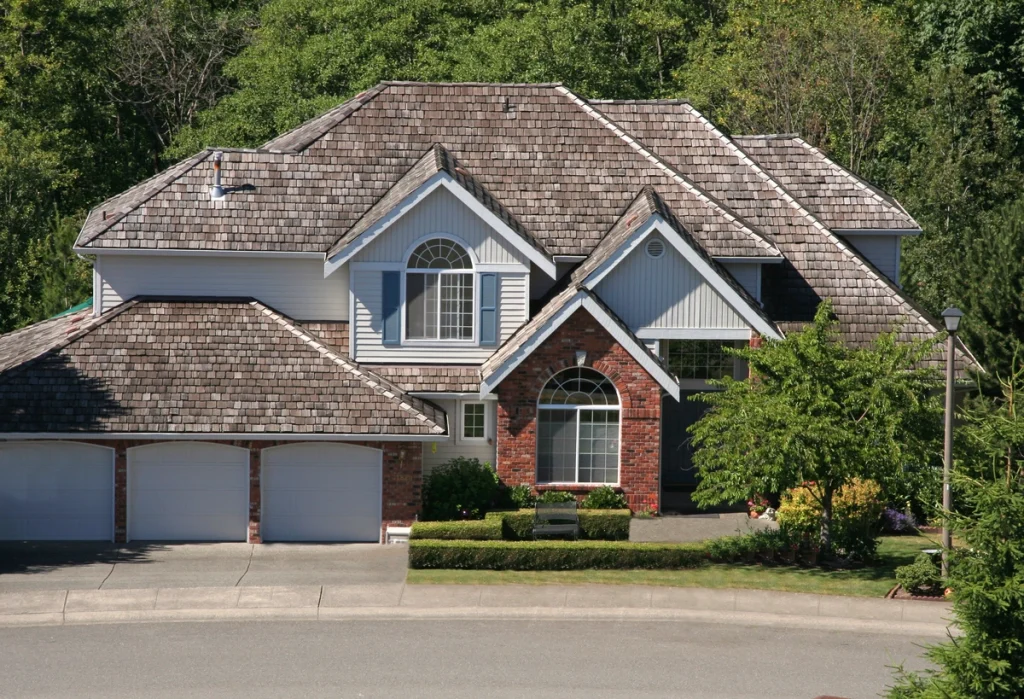
Cedar shakes are natural wood roofing materials with a distinctive, rugged appearance. Understanding how they are made explains much of their character and appeal.
What Are Cedar Shakes Made Of?
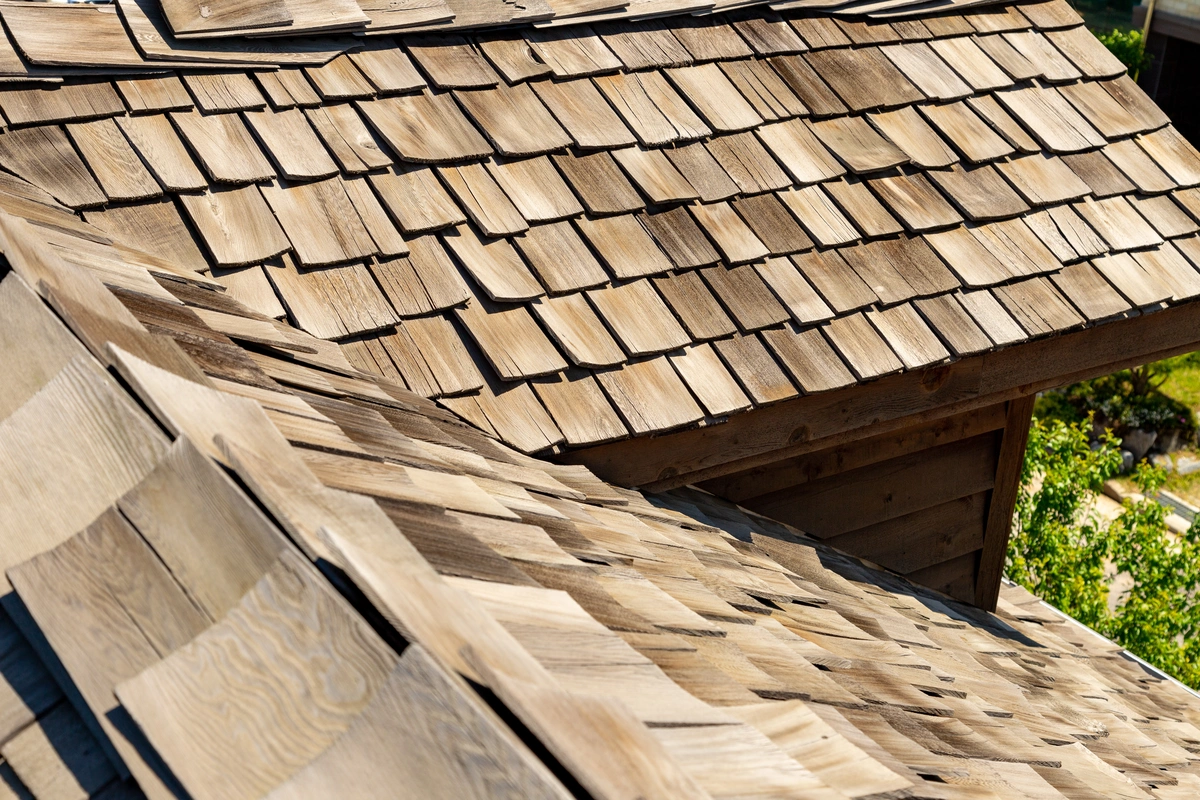
Cedar shakes are roofing materials made from split or sawn cedar logs, typically cut between 1/2 and 3/4 inches thick with random widths and lengths. The term “shake” refers to these thicker, irregularly shaped wooden pieces, and it is exactly those natural variations in size and shape that give cedar shakes their distinctive, rustic look. This handcrafted appearance makes them a sought-after choice for homeowners who appreciate the charm of a traditional, natural roof. Cedar is usually sourced from Western Red Cedar or Alaskan Yellow Cedar for its natural durability.
- Split or sawn: Made from cedar logs, often hand-split for texture.
- Thicker cut: Typically 1/2 to 3/4 inches thick.
- Natural variation: Random widths and lengths create a rustic look.
- Quality species: Usually Western Red or Alaskan Yellow Cedar.
How Cedar Shakes Differ From Cedar Shingles
Cedar shakes and cedar shingles look similar at a glance but differ in several important ways. Knowing the distinctions helps you choose the right one for your home.
What Sets Shakes and Shingles Apart?
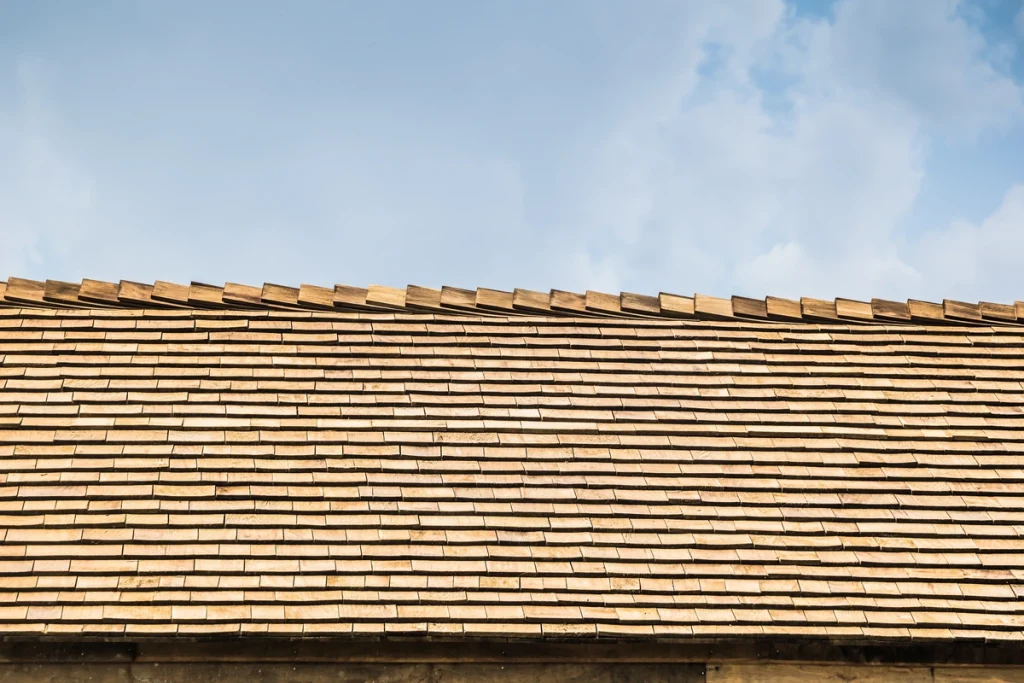
Cedar shakes differ from cedar shingles primarily in thickness, appearance, installation, and longevity. Shakes are notably thicker than shingles, which are typically 3/8 to 1/2 inch thick, and that added thickness enhances their durability and lifespan. Shakes have a rugged, rustic look from their irregular shape, while shingles are smoother and more uniform, and because of that irregularity shakes are more labor-intensive to install. Cedar shakes also tend to last longer, often 30 to 50 years or more with proper care, compared with around 20 to 30 years for shingles. These differences guide the choice between the two.
- Thickness: Shakes are thicker than the 3/8 to 1/2 inch typical of shingles.
- Appearance: Shakes look rugged and rustic; shingles are smooth and uniform.
- Installation: Shakes are more labor-intensive due to their irregular shape.
- Longevity: Shakes last 30 to 50 years or more versus 20 to 30 for shingles.
5 Reasons to Choose Cedar Shake Roofing
There is a reason many homeowners invest in a cedar shake roof despite the premium price. The advantages below explain the material’s enduring appeal.
Why Do Homeowners Choose Cedar Shakes?
Homeowners choose cedar shakes for their natural beauty, durability, insulation, eco-friendliness, and the way they age. Each of these benefits contributes to why cedar remains a favorite for homes in Gladwyne and surrounding areas that want a distinctive, high-quality roof.
- Natural beauty: Cedar’s rustic appearance adds character to traditional and contemporary homes alike.
- Durability: Natural oils and preservatives help cedar resist decay, insects, and harsh weather.
- Insulation: Cedar provides excellent insulation, helping regulate indoor temperatures and reduce energy costs.
- Environmentally friendly: Cedar is a renewable, biodegradable, and sustainable roofing resource.
- Unique aesthetic: Cedar ages gracefully into a beautiful silver-gray patina over time.
What Are the Cons of Cedar Shake Roofing?
Despite their popularity, cedar shakes have some downsides that are important to weigh. Being aware of these helps you make a fully informed decision.
Drawbacks Should You Consider
The main drawbacks of cedar shake roofing include higher cost, ongoing maintenance, fire risk, and susceptibility to moss and algae. Cedar is more expensive to buy and install than many other materials, though its longevity can offset that over time, and it requires regular cleaning, sealing, and occasional shake replacement to reach its full lifespan. Untreated cedar is also more flammable than other roofing, so fire-retardant treatment matters, especially where codes require it. In shaded or humid settings, cedar is prone to moss and algae that call for routine maintenance. Keep these in mind:
- Cost: Cedar shakes cost more to buy and install than many alternatives.
- Maintenance: Regular cleaning, sealing, and shake replacement are required.
- Fire risk: Untreated cedar is more flammable; fire-retardant treatment helps.
- Moss and algae: Shaded or humid conditions encourage growth that needs cleaning.
How Much Does a Cedar Shake Roof Cost?
Cedar shake roofing is a premium investment, and its cost reflects both the material and the skilled labor required. Understanding the ranges helps you budget realistically.
What Is the Average Cedar Shake Roof Cost?
In the Philadelphia and Main Line area, a cedar shake roof typically costs between $12 and $20+ per square foot installed, with most full roof replacements ranging from approximately $18,000 to $40,000+, depending on the size and complexity of the roof. Factors that influence the final investment include the cedar species, material grade, roof design, tear-off requirements, ventilation improvements, copper flashing, and the detailed craftsmanship often required for historic homes. Because every project is unique, the best way to determine your cost is with a professional roof evaluation and consultation. Higher grades of cedar and more intricate installations push toward the upper end, and premium shakes can run even higher. While the upfront cost is significant, cedar’s long lifespan and insulation benefits can deliver a strong return over time. Several factors shape the final price:
- Roof size and complexity: Larger or more intricate roofs need more material and labor.
- Wood grade: Higher grades cost more but last longer and look better.
- Labor: Skilled installation typically accounts for roughly half the total cost.
- Location: Regional labor rates and material availability affect pricing.
How Long Does a Cedar Shake Roof Last?
A cedar shake roof lasts a long time when properly cared for, which is a big part of its value. Lifespan depends heavily on maintenance, installation, and climate.
What Affects a Cedar Shake Roof’s Lifespan?
A cedar shake roof can last anywhere from 30 to 50 years or more when properly maintained, though the exact lifespan depends on the quality of the shakes, the installation, and the local climate. High-grade cedar installed by an experienced crew in a suitable climate reaches the upper end of that range, while neglected cedar in a damp, shaded setting can fail much sooner. Regular maintenance, including cleaning, sealing, and promptly replacing damaged shakes, is essential to maximizing the roof’s life. Proper attic ventilation also helps by keeping moisture from building up beneath the roof. Key factors include:
- Shake quality: Higher-grade cedar lasts longer than lower grades.
- Installation: Skilled installation is critical to reaching full lifespan.
- Climate: Damp, shaded conditions shorten life without maintenance.
- Upkeep: Regular cleaning and sealing extend the roof’s life significantly.
6 Maintenance Tips for a Cedar Shake Roof
To keep your cedar shake roof in good condition and reach its maximum lifespan, a consistent maintenance routine is essential. The six tips below cover everything a homeowner needs to protect the investment.
1. Clean the Roof Regularly
Regular cleaning is the foundation of cedar shake maintenance because it prevents the moisture buildup that leads to decay. Remove debris, leaves, and moss from the roof surface before they trap water against the wood, using a gentle sweep or a leaf blower to clear the surface safely. Keeping the roof clear also allows the cedar to dry properly after rain, which is key to preventing rot. Make this a routine part of your seasonal home care for homes in Gladwyne and surrounding areas.
- Clear debris: Remove leaves and buildup that trap moisture.
- Gentle methods: Sweep or use a leaf blower rather than harsh tools.
- Allow drying: A clear surface lets cedar dry after rain.
- Seasonal routine: Clean regularly throughout the year.
2. Inspect for Damage
Periodic inspection lets you catch damaged or loose shakes before they become bigger problems. Walk the perimeter or have a professional check for cracked, curled, or missing shakes, and replace any that are compromised to keep the roof watertight. Catching a single failing shake early prevents water from reaching the underlayment and structure beneath. Regular inspection is one of the simplest ways to protect the roof’s integrity over time.
- Check for wear: Look for cracked, curled, or loose shakes.
- Replace promptly: Swap out compromised shakes to keep the roof sealed.
- Prevent spread: Early fixes stop water from reaching the structure.
- Routine habit: Inspect on a regular schedule.
3. Prevent Algae and Moss
Preventing algae and moss protects both the appearance and the health of a cedar shake roof. Apply a moss and algae inhibitor treatment to discourage growth, which is especially important in shaded or humid environments where cedar is most vulnerable. Left unchecked, moss traps moisture against the shakes and accelerates decay, so prevention is far easier than remediation. This step keeps the roof looking clean while guarding against moisture damage.
- Inhibitor treatment: Apply a moss and algae preventative.
- Target problem areas: Focus on shaded, humid sections.
- Stop moisture damage: Prevention keeps water from being trapped.
- Preserve appearance: Treatment keeps the roof looking clean.
4. Apply Sealant or Preservative
Applying a clear cedar roof sealant or preservative every few years protects the wood from UV damage and weathering. Sealant helps the cedar resist the drying and cracking that sun exposure causes and slows the natural weathering process, extending the roof’s life. This is a job best done on a dry, clear schedule and often handled by a professional for even coverage. Regular sealing is one of the most effective ways to preserve cedar over the decades.
- UV protection: Sealant guards against sun damage.
- Slows weathering: Preservative reduces drying and cracking.
- Periodic schedule: Reapply every few years.
- Even coverage: A professional ensures thorough application.
5. Trim Overhanging Branches
Trimming overhanging branches protects a cedar shake roof from both impact damage and excess moisture. Branches that rub against the roof can wear down shakes, while those that fall can crack or puncture them, and overhanging limbs also drop debris and cast shade that encourages moss. Cutting back nearby trees keeps the roof clear, dry, and free of the organic buildup cedar is prone to. An arborist can safely handle larger branches near the home.
- Prevent impact: Trimming stops branches from falling on the roof.
- Reduce wear: Keeps limbs from rubbing against shakes.
- Limit shade: Less overhang means less moss-friendly shade.
- Professional help: An arborist can handle large branches safely.
6. Schedule Professional Inspections
Scheduling a professional inspection every few years ensures your cedar shake roof gets an expert assessment beyond what a homeowner can see. A trained roofer can spot early signs of decay, failing sealant, or hidden moisture damage and recommend targeted fixes before they escalate. Professional eyes catch subtle issues that are easy to miss from the ground, protecting both the roof and your investment. Pairing professional inspections with your own routine care is the best formula for longevity.
- Expert assessment: Professionals catch issues homeowners miss.
- Early detection: Inspections find decay and moisture damage early.
- Targeted fixes: A roofer recommends repairs before they escalate.
- Best formula: Combine pro inspections with routine care.
Frequently Asked Questions
How Much Does a Cedar Shake Roof Cost?
A cedar shake roof in the Philadelphia and Main Line area typically costs $12 to $20+ per square foot installed, with most homeowners investing between approximately $18,000 and $40,000+ for a full roof replacement. The final cost depends on factors such as the cedar species, wood grade, roof size and complexity, tear-off requirements, ventilation upgrades, copper flashing, and the level of craftsmanship required. The best way to determine your project’s cost is to schedule a professional roof evaluation and receive a detailed estimate tailored to your home.
How Long Does a Cedar Shake Roof Last?
A well-maintained cedar shake roof lasts 30 to 50 years or more, depending on the quality of the shakes, installation, and climate. Regular cleaning, sealing, and prompt repairs help it reach the upper end of that range. Neglected cedar in damp conditions can fail much sooner.
Are Cedar Shakes Better Than Cedar Shingles?
Cedar shakes are thicker and more durable than cedar shingles, offering a rugged, rustic look and a longer lifespan, while shingles are smoother, more uniform, and easier to install. Shakes typically cost more due to their thickness and labor. The best choice depends on your budget and the look you want.
Do Cedar Shake Roofs Require a Lot of Maintenance?
Cedar shake roofs do require more maintenance than materials like asphalt, including regular cleaning, periodic sealing, moss prevention, and prompt shake replacement. This upkeep is essential to reaching the roof’s full lifespan. Many homeowners hire professionals for cleaning and sealing to ensure it is done safely and thoroughly.
Are Cedar Shake Roofs a Fire Risk?
Untreated cedar is more flammable than many other roofing materials, but fire-retardant treatments can achieve Class A or Class B fire ratings. Many building codes require treated cedar, especially in wildfire-prone areas. Ask your contractor about fire-treated options for added protection.
Is a Cedar Shake Roof Worth the Cost?
For many homeowners, a cedar shake roof is worth the cost because of its natural beauty, long lifespan, and insulation benefits. The higher upfront investment can pay off over decades of service and strong curb appeal. It is best suited to homeowners who value the look and are willing to maintain it.
Talk With O’Donnell Roofing Co. About Your Cedar Shake Roof
A cedar shake roof offers a blend of timeless beauty, exceptional durability, and eco-friendliness that makes it a compelling choice for many homeowners. To get the best performance and appearance, it is essential to follow a proactive maintenance routine and work with roofing professionals who understand the material. At O’Donnell Roofing Co., we help homeowners throughout Gladwyne and surrounding areas keep their cedar shake roofs in premium shape for years to come. Contact us today to start your roofing journey and protect the beauty and value of your home from the top down.